Introduction
The discovery of interstellar objects has intrigued astronomers and space enthusiasts alike. One of the most noteworthy findings in recent years is interstellar comet 3I Atlas, which has opened a new chapter in our understanding of celestial bodies beyond our solar system. Its significance lies not only in its origin but also in the insights it provides about the composition and dynamics of interstellar comets.
Discovery of 3I Atlas
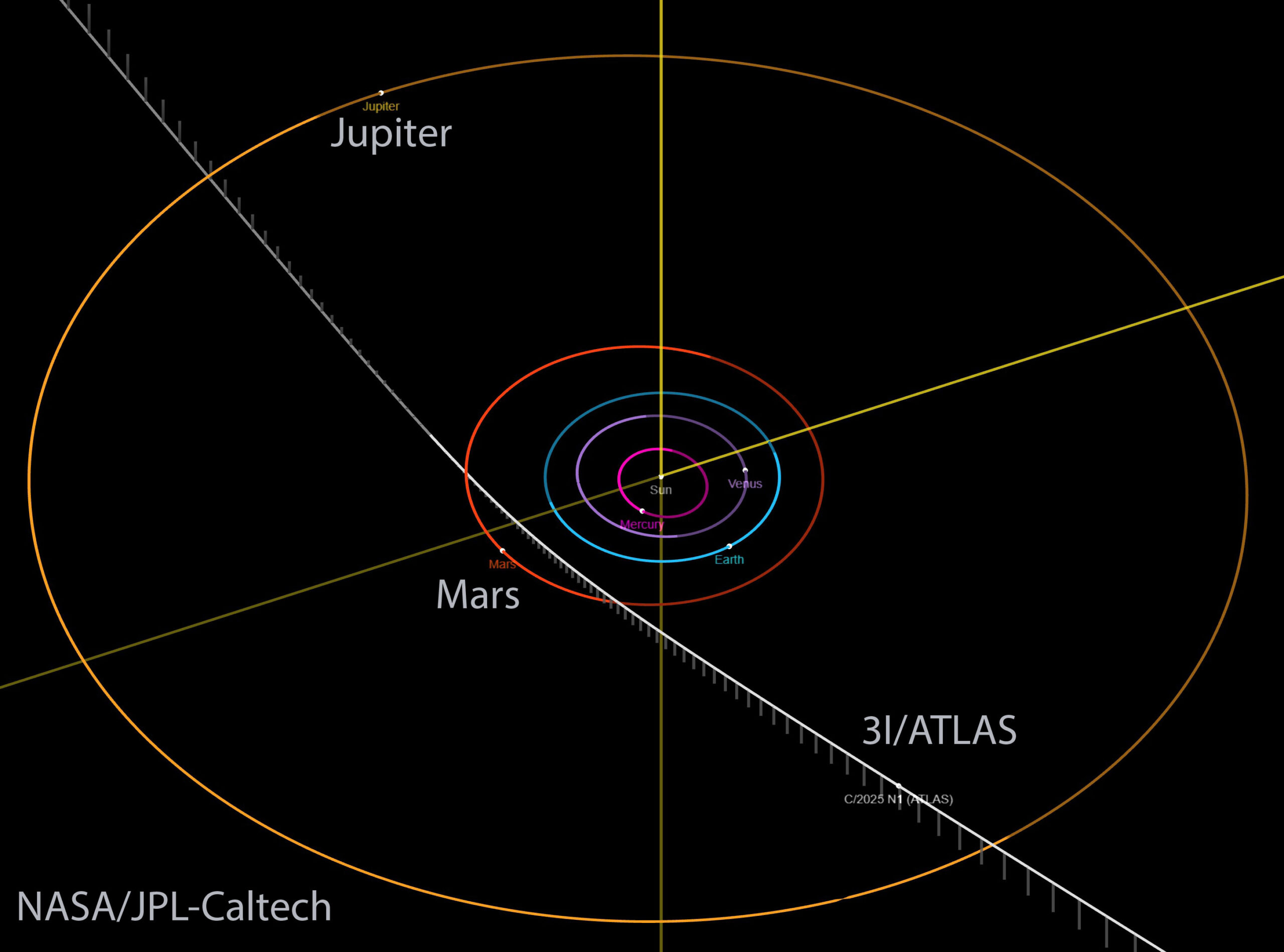
Discovered in December 2019 by the Asteroid Terrestrial-impact Last Alert System (ATLAS), comet 3I Atlas is recognized as the first confirmed interstellar comet to be observed by humans. Initial observations indicated that the comet is travelling at a speed of approximately 33.5 kilometers per second as it hurtles towards the inner solar system. Scientists quickly took interest, aiming to understand the comet better before it left the solar system.
Significance of 3I Atlas
The detection of 3I Atlas provides valuable insights into the composition and physical characteristics of interstellar comets. Unlike comets originating from our solar system, 3I Atlas is believed to originate from a distant star system, possibly from the Oort cloud of another star. This infers that the formation of star systems, including their surrounding materials, might share similarities across the galaxy.
Moreover, researchers have noted that interstellar comets like 3I Atlas can hold clues about the interstellar medium, the matter that exists in the space between stars, and the processes that govern the formation of stars and planets. Comets are often referred to as ‘dirty snowballs,’ made up of ice and dust. Studying their composition can directly enhance our knowledge of the early solar system and other celestial bodies.
Recent Observations
As 3I Atlas approaches its perihelion, or closest approach to the Sun, observations have intensified. Telescopes worldwide, including the Hubble Space Telescope and ground-based observatories, have observed the comet’s trajectory and analyzed its tail and coma for signs of sublimation and changes in its nucleus. Recent findings have indicated the presence of organic compounds, which may deepen the discussion about the potential for life beyond Earth and the building blocks necessary for such phenomena.
Conclusion
Interstellar comet 3I Atlas represents an exciting opportunity for astronomers to explore the cosmos and acquire a wealth of knowledge from a unique cosmic visitor. As this interstellar body continues its journey through our solar system, researchers aim to gather more data that could not only answer questions about its origin but also shed light on the nature of other planetary systems. The study of 3I Atlas might ultimately pave the way for future exploration of similar interstellar objects, enriching our understanding of the universe.