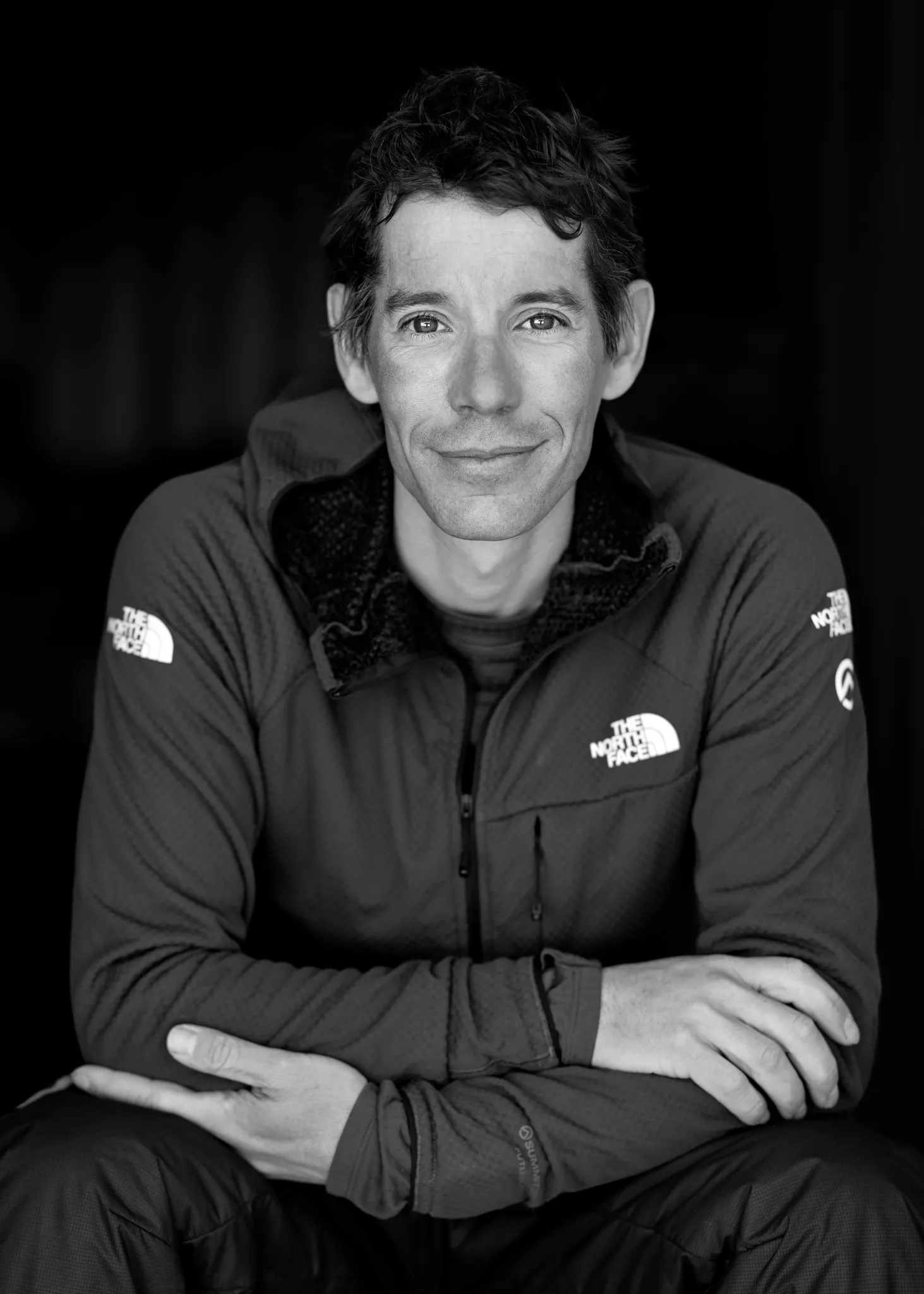
Introduction to Alex Honnold
Alex Honnold, a name synonymous with free solo climbing, continues to capture the world’s attention with his daring feats. Born on August 17, 1985, in Sacramento, California, Honnold’s approach to climbing has redefined the sport. His notable ascent of El Capitan in Yosemite Valley without ropes in June 2017 was a historic achievement, underscoring the blend of physical prowess and mental fortitude required for such an endeavor. As outdoor enthusiasts and the general public watch in amazement, Honnold’s story is both an inspiration and a reminder of the risks associated with extreme sports.
Recent Events and Achievements
In addition to his monumental El Capitan climb, Honnold has engaged in various climbing and outdoor initiatives in recent months. One notable event was his participation in the 2023 Climate Action Summit, where he spoke on the importance of sustainability in the climbing community. Honnold stated, “If we want our beautiful climbing spots to survive, we must engage in eco-friendly practices and advocate for climate action.” He has also launched the Honnold Foundation, aimed at promoting solar energy in areas lacking access to power.
This year, Honnold announced his plans to reprise the challenging climb of Half Dome in Yosemite, this time aiming to raise awareness for outdoor conservation. His determined spirit is evident not only in his climbs but also in his initiatives to protect the environment.
The Significance of Honnold’s Climbing Philosophy
Honnold’s approach to climbing involves a deep connection with nature and a philosophy rooted in minimalism and risk assessment. His mental preparation is as essential as his physical training, making him a unique figure in the climbing community. Whether it’s scaling a sheer cliff face or advocating for the planet, Honnold’s journey underscores the importance of a thoughtful approach to both sport and life.
Conclusion: The Future of Alex Honnold
As Alex Honnold continues to push boundaries in climbing and environmental activism, he remains a crucial figure in the conversation about the future of outdoor sports and sustainability. His journey offers a framework for how athletes can leverage their platforms for positive change. Looking ahead, fans and followers of Honnold can expect more groundbreaking climbs and impactful initiatives that not only challenge his limits but also inspire future generations to explore the beauty of the world while caring for it. Honnold’s legacy will undoubtedly motivate many to engage with both climbing and environmental stewardship.