Introduction
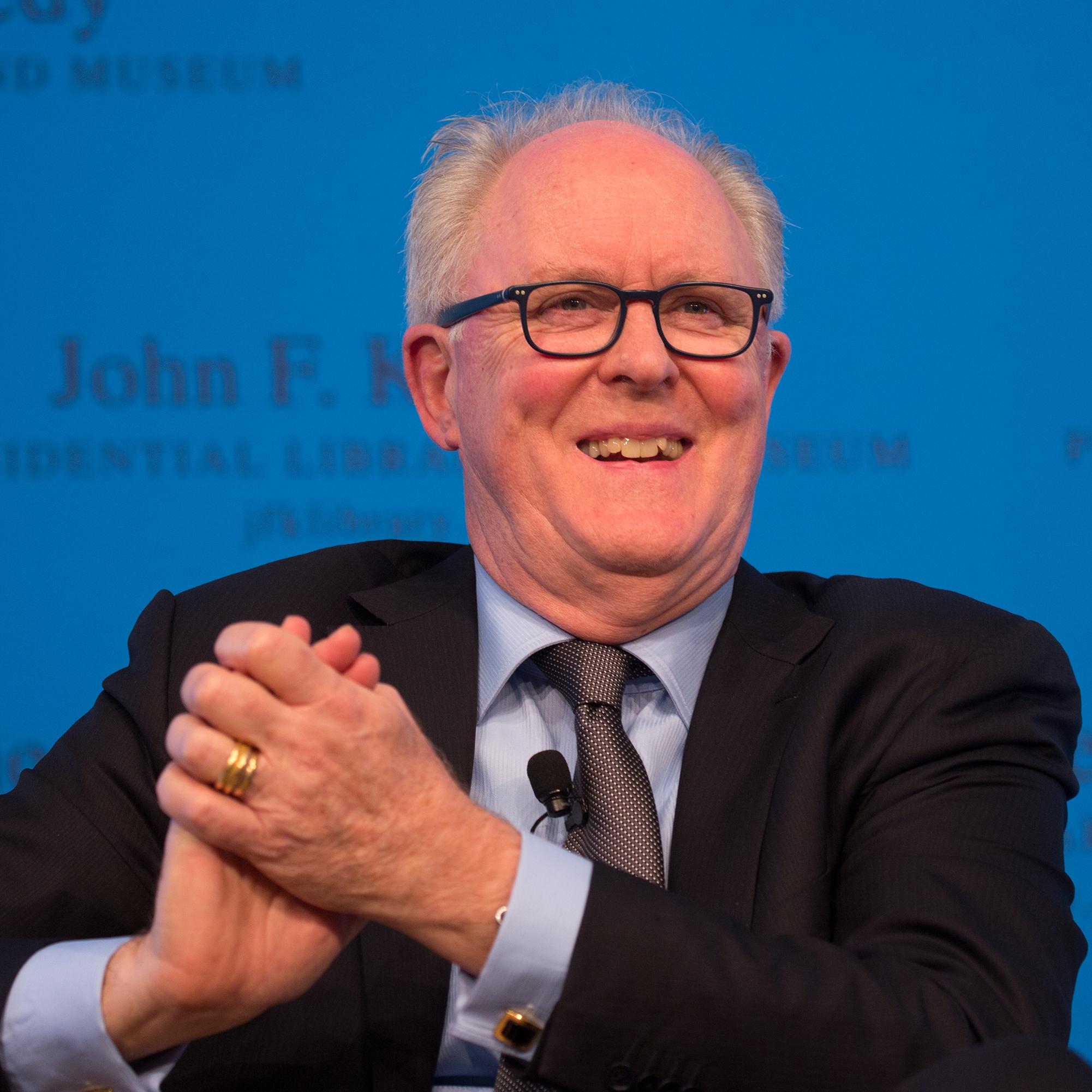
John Lithgow is a distinguished actor whose career spans over four decades, engaging audiences with his versatile talent in films, television, and theatre. His ability to navigate diverse roles with ease has secured him a place as one of the most respected figures in the entertainment industry. As viewers and critics celebrate his contributions to the arts, understanding his evolution and ongoing impact remains relevant, especially in this era of streaming television where classical talent finds renewed appreciation.
Notable Achievements
Born on October 19, 1945, Lithgow graduated from Harvard University with a degree in history and literature. He began his professional acting career in theatre, earning his first Tony Award for his performance in “The Changing Room” in 1973. His role in the hit TV series “3rd Rock from the Sun” solidified his status as a household name, earning him multiple Emmy Awards throughout its six-season run.
Lithgow’s film career is equally impressive, with iconic performances in movies like “The World According to Garp,” “Terms of Endearment,” and more recently, “The Crown,” in which he portrayed Winston Churchill. His portrayal in the Netflix series garnered critical acclaim and further showcased his ability to bring historical figures to life—reflecting his dedication to research and authenticity.
Recent Projects and Recognition
In 2023, Lithgow participated in a slew of performances and projects that reaffirm his continual relevance in contemporary cinema. He took on a leading role in the upcoming film “The Psychopath” directed by acclaimed filmmaker Alex de la Iglesia, which promises to highlight his penchant for complex characters. Additionally, his involvement in a live theatrical production demonstrates his enduring love for the stage and commitment to the arts.
John Lithgow’s contributions have not gone unnoticed. He has been a consistent figure at award shows, including the Golden Globes, where his performances have garnered multiple nominations. His work has shaped narratives and characters in ways that resonate with audiences and critics alike, emphasizing themes of identity, humanity, and society.
Conclusion
As John Lithgow continues to evolve as an artist, his works invite new generations to explore the spectrum of human experience. His career exemplifies the power of storytelling across mediums, revealing the timeless appeal of great acting. Lithgow’s influence within the arts underscores the continuous need for diverse and compelling narratives in both theatre and film. Looking ahead, audiences can anticipate not only more remarkable performances from Lithgow but also a persistent impact on the industry as he shapes new stories in the years to come.