Introduction
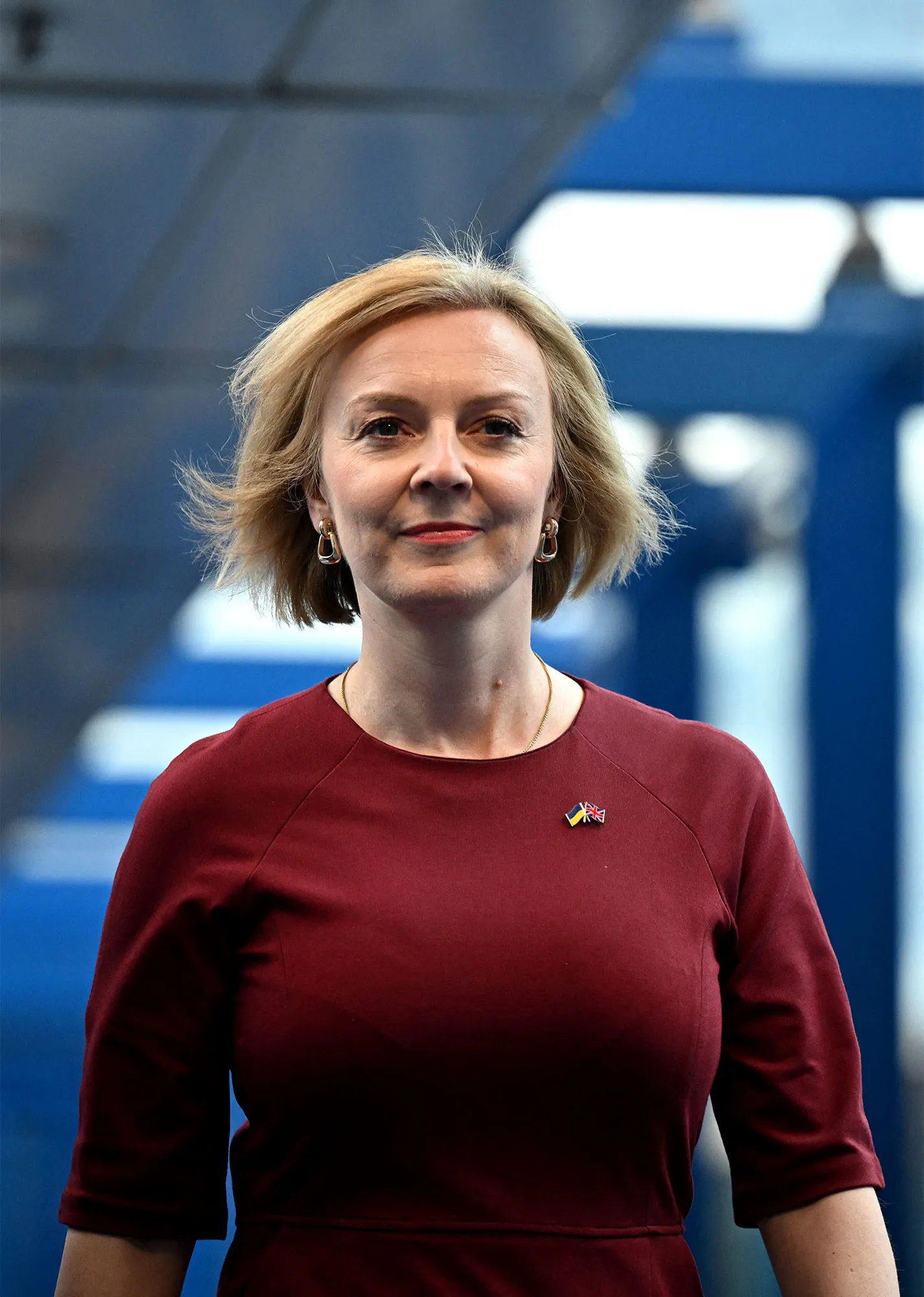
Liz Truss, the former Prime Minister of the United Kingdom, remains a significant figure in British politics. Her brief tenure in 2022 made headlines as one of the most turbulent periods in recent history. Understanding her political journey and the events leading to her premiership and subsequent resignation provides insight into current political dynamics in the UK.
Key Events in Liz Truss’s Career
Truss was elected as the Member of Parliament (MP) for South West Norfolk in 2010 and steadily rose through the ranks of the Conservative Party. She served in several key Cabinet positions, including Secretary of State for Environment, Food and Rural Affairs, and Secretary of State for International Trade. In September 2022, following the resignation of Boris Johnson, Truss won the party leadership contest to become Prime Minister.
Her leadership was marked by a controversial economic plan involving significant tax cuts aimed at stimulating growth. However, the plan faced severe backlash, leading to market turmoil and a sharp depreciation of the Pound Sterling. Within weeks, facing immense pressure from her party and the public, Truss announced her resignation. She became the UK’s longest-serving Prime Minister, lasting just 49 days in office—a record in modern British history.
Current Developments and Relevance
Since her resignation, Liz Truss has continued to remain active within the political discourse, contributing to debates on economic policy and the future direction of the Conservative Party. She has also published a book reflecting on her time in office, aiming to clarify her policies and vision for a more prosperous Britain. The publication has reignited discussions around her controversial economic strategies and their implications for the country.
Conclusion
Liz Truss’s political journey serves as a case study in the volatility of modern politics and the complexities of governance in a post-Brexit era. Her brief premiership has had lasting implications on party dynamics and public opinion in the UK. As political tensions continue to simmer within the Conservative Party, the lessons drawn from Truss’s leadership may shape future policy decisions and electoral strategies. For readers, understanding her impact on UK politics is crucial, as it reflects the evolving political landscape and the challenges facing future leaders.