Introduction
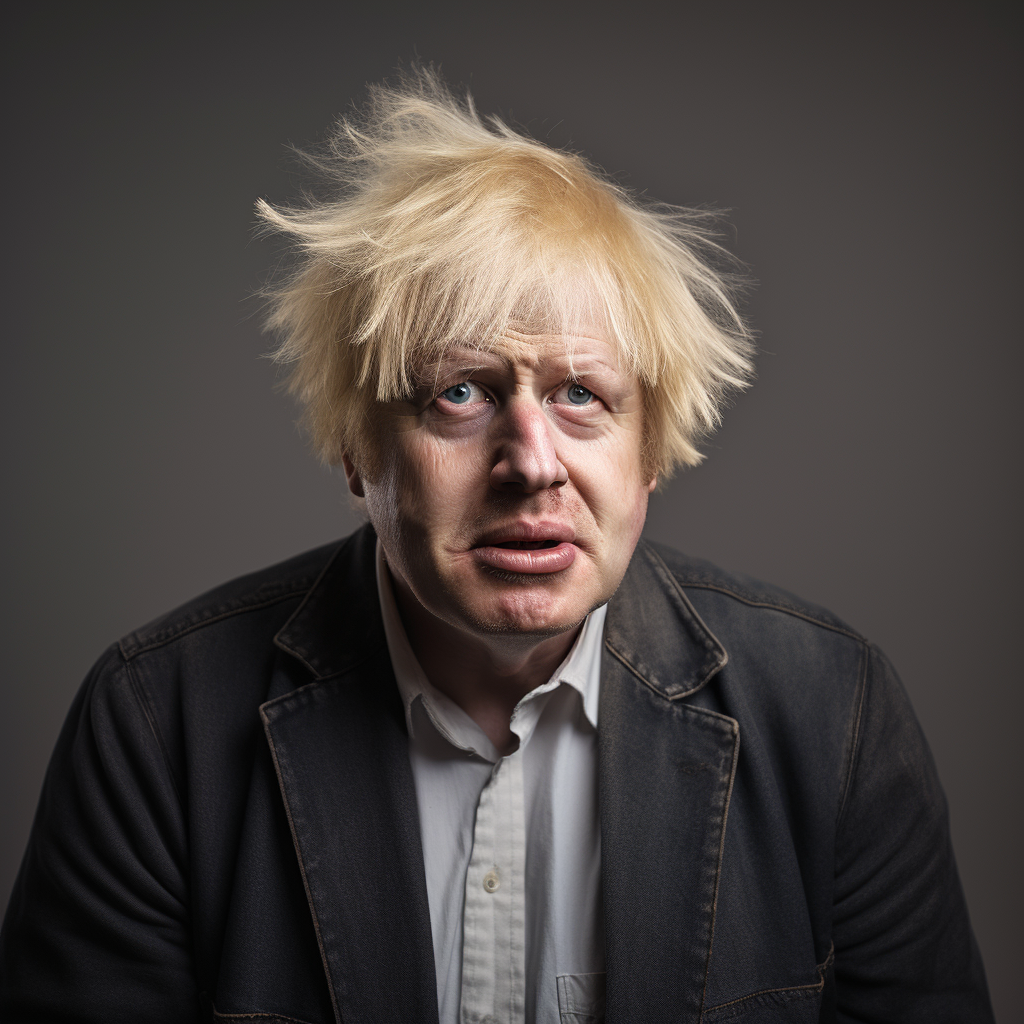
Boris Johnson, the former Prime Minister of the United Kingdom, has been a significant figure in British politics for over two decades. His rise to political prominence, marked by controversies and achievements, continues to shape public discourse. As the UK navigates its post-Brexit landscape and faces various social issues, Johnson’s role and influence remain integral to understanding current events.
Career Highlights
Boris Johnson first entered Parliament in 2001 and quickly made a name for himself as a charismatic and often controversial politician. He served as the Mayor of London from 2008 to 2016, where he was known for initiatives such as the expansion of the bicycle hire scheme and the renovation of transport infrastructure. His leadership style, characterised by a blend of wit and populism, gained him both supporters and critics alike.
Prime Ministership
In July 2019, Johnson became the Prime Minister after winning the Conservative Party leadership. His premiership was largely defined by his approach to Brexit, which culminated in the UK officially leaving the European Union on January 31, 2020. While he hailed this as a moment of national renewal, his government faced challenges, including the COVID-19 pandemic that placed enormous pressure on public health services and the economy.
Recent Developments
More recently, Johnson has remained in the news due to ongoing controversies, including a public inquiry into the government’s handling of the COVID-19 crisis and allegations surrounding breaches of lockdown rules known as “Partygate.” These issues have affected his reputation, sparking intense debates within the Conservative Party and among the British public about leadership accountability and ethics in governance. In September 2023, Johnson announced his intention to step back from active politics, citing a desire for personal reflection and a focus on his writing career.
Conclusion
Boris Johnson’s political journey has been one of highs and lows, marked by his unique approach to leadership and public engagement. As he steps back from frontline politics, many observers will reflect on his legacy, the impact of his policies, and how they continue to affect the United Kingdom. The upcoming years may provide new insights into whether Johnson’s influence will fade or persist, particularly among his loyal supporters who still champion his vision for the country. Ultimately, Johnson’s story reflects not just personal ambition but also the complexities of contemporary British politics.