Introduction
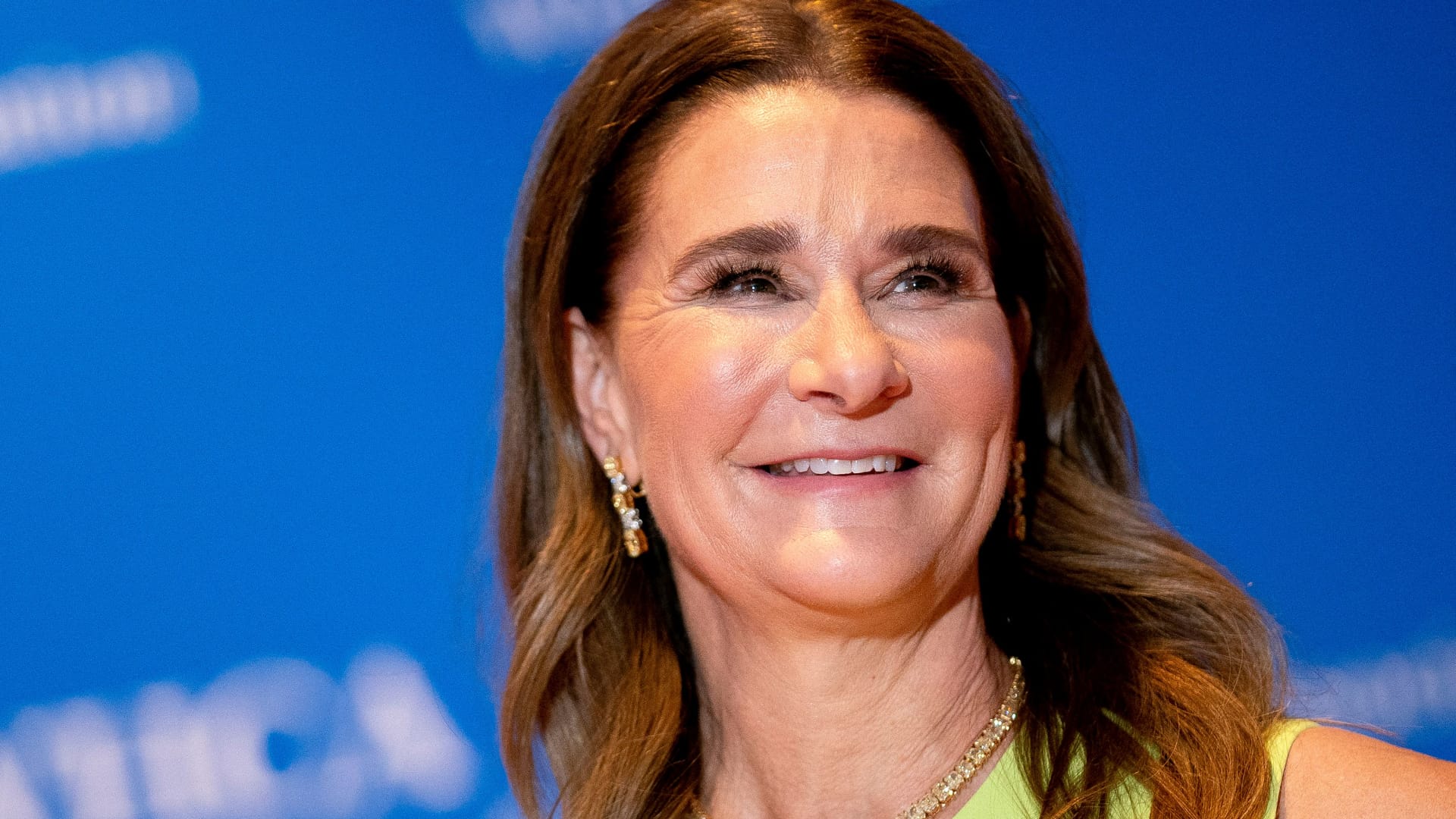
Melinda Gates, co-chair of the Bill & Melinda Gates Foundation, has become a pivotal figure in addressing global challenges such as poverty, health care, and gender equality. Her work has significant importance not only in philanthropy but also in advocating for women’s rights around the world. Understanding her contributions gives insight into how targeted charitable initiatives can lead to meaningful change.
Philanthropic Initiatives
Since co-founding the Gates Foundation in 2000, Melinda has focused on multiple areas of impact. The foundation, which has an endowment of over $50 billion, has significantly invested in global health, education, and poverty alleviation. Notably, its initiatives have addressed critical health issues like malaria and HIV/AIDS, saving millions of lives through vaccination and health education programs.
Advancing Gender Equality
One of the cornerstone projects of Melinda’s philanthropic efforts is the Gender Equality Programme, launched to empower women and girls across the globe. The emphasis is on providing access to education, healthcare, and economic opportunities. In recent reports, the foundation claims that investing in gender equality could lead to a $12 trillion boost in global GDP. Melinda’s emphasis on women’s health and education continues to shape policies and funding priorities globally.
Recent Developments
In 2021, Melinda Gates announced her decision to separate from Bill Gates after 27 years of marriage, a move that further positioned her as an independent philanthropist. Following her divorce, she has intensified her focus on women’s rights and societal change, making appearances and delivering speeches that advocate for equity and justice for women. Her new book, The Moment of Lift: How Empowering Women Changes the World, emphasizes the crucial roles women play in society and the positive impact of empowering them.
Future Outlook
As we move forward, Melinda Gates’ influence in philanthropy is set to expand. Her committed focus on gender equity and health initiatives hints at a promising future for her ongoing projects. The response from governments and private sectors to her `call for women’s rights’ will be essential in achieving sustainable advancements. With her leadership and the foundation’s resources, the potential for lasting change remains significant. Stakeholders in both philanthropy and public policy will be closely watching her future endeavors, highlighting the ongoing relevance of her work.
Conclusion
Melinda Gates exemplifies how targeted philanthropy can lead to profound changes within global communities. Her passion for women’s rights and health is reshaping the philanthropic landscape, demonstrating that engaging in substantial social issues not only improves lives but also promotes broader economic growth. For readers invested in social change, understanding her journey and initiatives is not only inspiring but essential, as it underscores the power of dedicated philanthropy.