Introduction
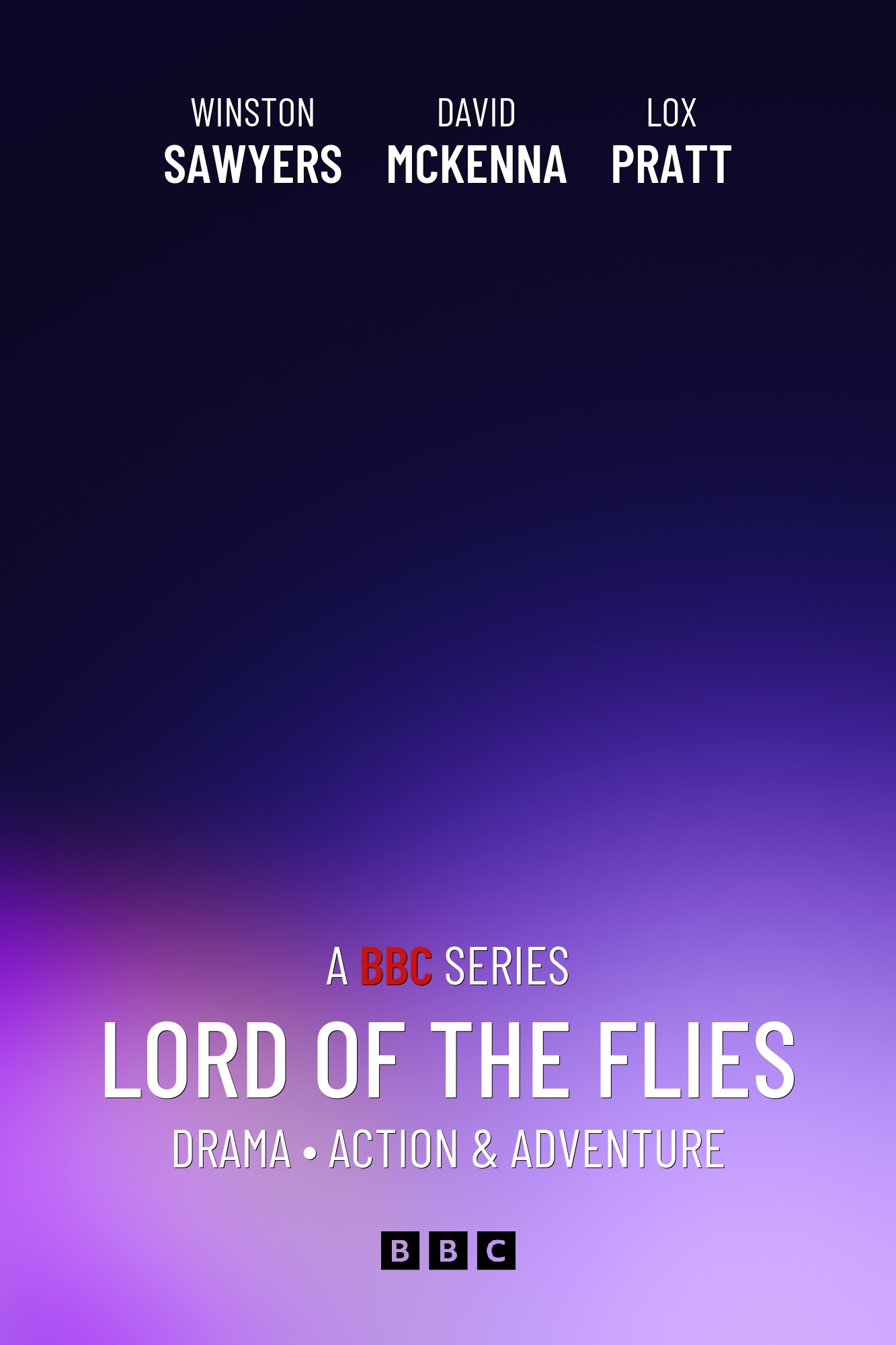
The recent announcement of a new adaptation of William Golding’s classic novel ‘Lord of the Flies’ by the BBC has generated significant interest among literature enthusiasts and the broader public. First published in 1954, Golding’s novel explores themes of civilization versus savagery, the inherent darkness within humanity, and the breakdown of societal norms. The relevance of these themes resonates more than ever in today’s rapidly changing world, making this adaptation not only timely but essential.
Details of the Adaptation
The BBC has confirmed that the new adaptation will be a modern retelling of the original story, with plans to cast a diverse group of young actors to authentically portray the experiences of children stranded on a deserted island. The adaptation aims to emphasize the psychological and social dynamics at play, reflecting contemporary issues such as the impact of social media, tribalism, and the loss of innocence in a digital age.
Furthermore, the production team includes noted filmmakers and writers who have previously worked on critically acclaimed projects, ensuring a fresh yet respectful take on Golding’s narrative. The writer, who has not yet been disclosed, is expected to bring a new perspective to the source material, enhancing its relevance to modern audiences.
Current Context
In light of recent global events, including the rise of authoritarianism, societal division, and conflicts arising from misinformation, the themes explored in ‘Lord of the Flies’ can lead to meaningful discussions about morality and human nature. The BBC’s adaptation seeks to reignite these conversations, prompting viewers to reflect on their own experiences and observations in today’s world.
Conclusion
The upcoming BBC adaptation of ‘Lord of the Flies’ promises to not only be a compelling retelling of a literary classic but also a mirror reflecting our current societal challenges. As audiences prepare for its release, the focus will undoubtedly be on how the story’s core themes are translated for a modern demographic. With anticipation building, it will be interesting to see the creative choices made and how they resonate with audiences both familiar and unfamiliar with Golding’s work. Ultimately, this adaptation could foster an important dialogue about human nature, society, and the complex relationship between the two, further solidifying ‘Lord of the Flies’ place in contemporary discourse.