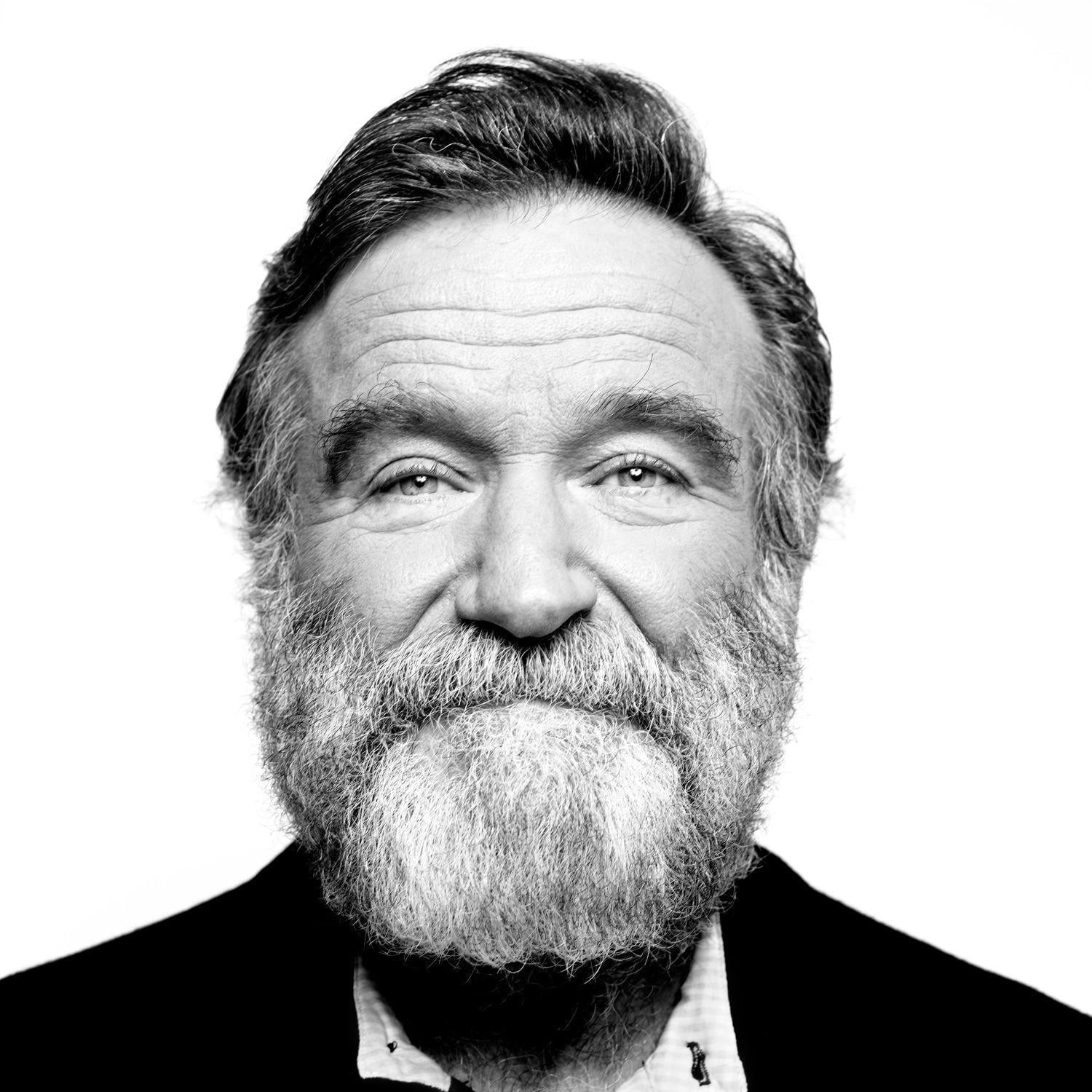
Introduction
Robin Williams, a legendary figure in the world of entertainment, is revered for his unparalleled talent in both comedy and drama. His influence on the industry and ability to connect with audiences globally remain significant even years after his tragic passing. Williams’s life story is a testament to the complexity of mental health struggles, the importance of artistic expression, and the enduring power of laughter.
Career Highlights
Born on July 21, 1951, in Chicago, Robin Williams began his career in the late 1970s as a stand-up comedian. His breakthrough came with the television series “Mork & Mindy,” where he showcased his unique improvisational skills. Williams effortlessly transitioned to film, becoming a household name with iconic roles in movies such as “Good Will Hunting,” for which he won an Academy Award, “Mrs. Doubtfire,” and “Dead Poets Society.” His ability to evoke a wide range of emotions—from uproarious laughter to heartfelt tears—established him as one of the most versatile actors of his generation.
Personal Struggles
Despite his immense success, Williams battled with depression and addiction, a struggle that many of his fans were unaware of. In 2014, his untimely death by suicide brought these issues to the forefront, shining a light on mental health challenges faced by performers. Following his death, there has been a growing movement advocating for mental health awareness and support, significantly impacting both the entertainment industry and society as a whole.
Ongoing Legacy
Robin Williams’s contributions to film and comedy continue to resonate in contemporary culture. His performances are frequently referenced, and his unique comedic style has inspired a new generation of comedians. The Robin Williams Foundation promotes mental health education and awareness, ensuring that his legacy impacts lives positively. Organizations and initiatives have emerged to help those struggling with similar issues, fostering a greater understanding and encouraging individuals to seek help.
Conclusion
Robin Williams remains a poignant figure in popular culture, serving as a reminder of the power of comedy to heal while also underscoring the importance of addressing mental health. As fans remember his extraordinary body of work, they also advocate for the conversation about mental well-being to continue. Williams’s legacy, marked by laughter and introspection, urges us to cherish every moment, reach out for help when needed, and find joy in the absurdity of life.