Introduction
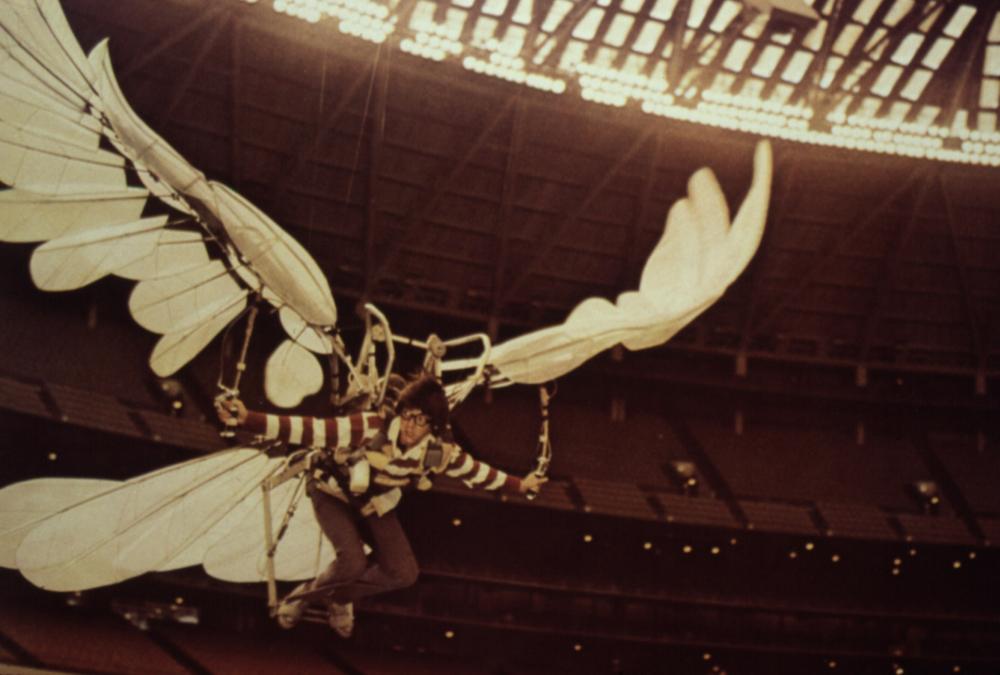
Bud Cort is a name that resonates with film enthusiasts and theatre lovers alike. Known for his unique roles, particularly in films like “Harold and Maude” and “M*A*S*H”, Cort has left an indelible mark on the entertainment industry since the 1970s. As audiences continue to appreciate his contributions, it becomes essential to celebrate his journey and understand his significance in the realm of acting.
Early Life and Education
Born on March 29, 1948, in Hawthorne, California, Bud Cort, originally named Walter Bud Cort, displayed an early interest in performing arts. His vibrant personality and compelling presence soon led him to New York, where he honed his craft at the Actors Studio and began to make a name for himself in both theatre and television.
Breakthrough Role
Cort’s breakthrough came with the 1971 film “Harold and Maude,” directed by Hal Ashby. In this dark romantic comedy, Cort portrayed the eccentric Harold, a teenager preoccupied with death who forms an unlikely bond with a vivacious older woman, Maude. The film, although initially not a box office success, gained a cult following and solidified Cort’s status as a prominent actor. His performance showcased not only his acting talent but also his ability to connect with complex characters.
Later Career and Collaborations
The 1970s and 1980s saw Cort taking on various roles in films such as “M*A*S*H,” where he played the character of a camp bartender, and “The King of Marvin Gardens.” In addition to film, he continued to engage with live performances and made appearances on television, exploring diverse genres and characters. His willingness to tackle unconventional roles helped him build a diverse portfolio and gain respect among peers in the industry.
Recent Work and Legacy
In recent years, Bud Cort has remained active, appearing in several independent films and theatre productions. He continues to engage with audiences at film festivals and events, sharing insights about his experiences and the evolution of cinema. Cort’s legacy as an actor is characterized by his ability to bring depth and authenticity to his roles, making him a beloved figure in classic and modern film landscapes.
Conclusion
Bud Cort’s contributions to film and theatre reflect his versatility and commitment to his craft. As he continues to inspire future generations of actors and filmmakers, it is evident that his remarkable journey is far from over. For readers looking to explore the nuances of performance art, Cort’s career serves as a profound reminder of the power of storytelling and the impact of a dedicated artist.