Introduction
Emily Brontë’s novel, Wuthering Heights, published in 1847, is not only a cornerstone of English literature but has been instrumental in shaping the world of cinema. Its intense themes of love, loss, and revenge have led to numerous film adaptations over the decades that have each interpreted the story in unique ways. Understanding these adaptations offers insights into cultural contexts, narrative styles, and the evolution of film itself.
Historical Context and First Adaptations
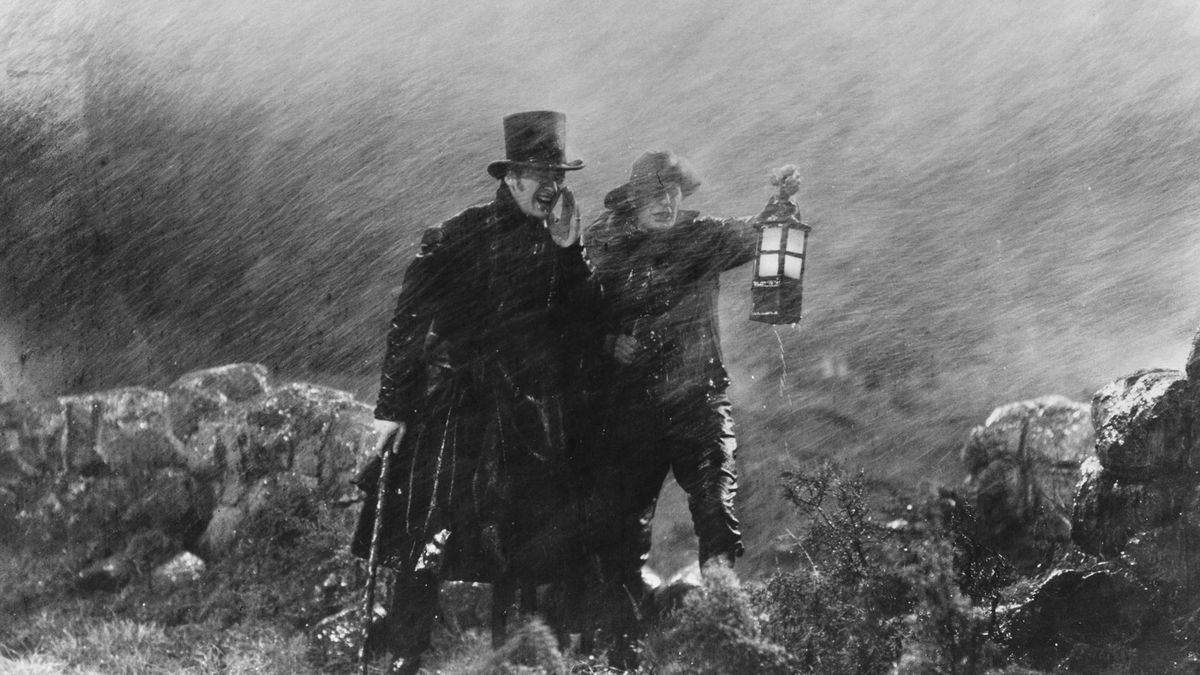
The first film version of Wuthering Heights appeared in 1920, silent and stark in its black-and-white imagery, but it sparked interest in Brontë’s tale. However, it was the 1939 adaptation directed by William Wyler that remains iconic, starring Laurence Olivier as Heathcliff and Merle Oberon as Catherine Earnshaw. This version is celebrated for its dramatic performances and haunting soundtrack, leaving an indelible mark on the cinematic portrayal of romantic tragedy.
Modern Adaptations
In the decades that followed, Wuthering Heights continued to be a source of inspiration for filmmakers. Notably, the 1992 adaptation by Peter Kosminsky offered a more faithful representation of the novel’s themes, appealing to audiences’ desire for authenticity. The film featured a raw performance by Ralph Fiennes as Heathcliff, capturing the character’s torment and passion effectively.
Most recently, the 2011 adaptation by Andrea Arnold presented a gritty, modern vision of the classic tale, opting for a more visceral approach to the narrative. Arnold’s film was lauded for its stunning cinematography, immersing viewers in the desolate Yorkshire moors that shape the characters’ fates. By focusing on the raw emotional landscapes of its protagonists, this version redefined the story for a contemporary audience.
Cultural Significance
The enduring legacy of Wuthering Heights in film is indicative of its cultural resonance. Each adaptation reflects the societal values and filmmaking techniques of its time, from the romanticised portrayals of the early 20th century to the more complex and nuanced interpretations of recent years. Moreover, the various adaptations allow audiences to engage with Brontë’s work in diverse and transformative ways, experiencing the raw energies of love and revenge that permeate the narrative.
Conclusion
As Wuthering Heights continues to be adapted for new generations, it remains a critical piece of literature that inspires creativity and discussion. The varied film portrayals demonstrate the timelessness of Brontë’s themes, compelling filmmakers to explore the depths of human emotion and the intricacies of relationships. Looking ahead, we can anticipate that Wuthering Heights will continue to challenge and captivate audiences, reaffirming its place in both literary and cinematic history.