Introduction
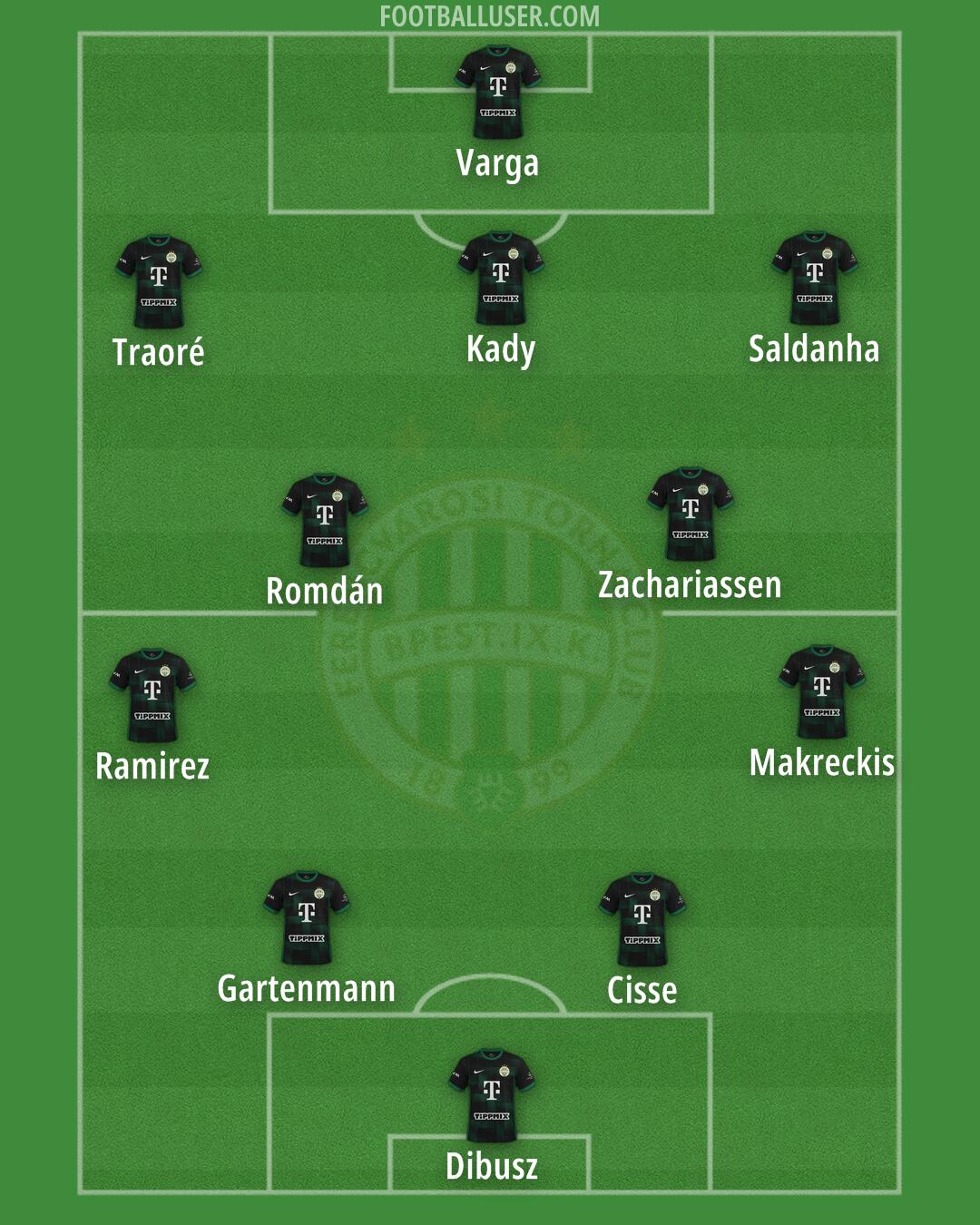
Ferencváros, often referred to as Fradi, holds a prominent place in Hungarian football history. Founded in 1899, the club currently competes in the top tier of Hungarian football, known as the Nemzeti Bajnokság I. With a passionate fanbase and a storied legacy, Ferencváros is not just a sports team but a cultural icon in Hungary. The importance of the club extends beyond the pitch, representing national pride and community spirit.
Recent Achievements
In recent years, Ferencváros has made notable contributions to both domestic and European competitions. The club secured their 32nd league title in the 2020-2021 season, demonstrating their dominance in Hungarian football. This triumph was spearheaded by Coach Peter Stöger, who has instilled a competitive mentality within the team. Following their domestic success, Ferencváros qualified for the UEFA Champions League group stage, a remarkable achievement that highlights the club’s growing stature in European football.
Impact on Youth and Community
Ferencváros is dedicated to nurturing young talent through their academy, which has produced a number of players who have gone on to achieve success both domestically and internationally. The club invests significantly in grassroots initiatives aimed at engaging local communities, fostering a love for football among the youth. Events and training camps are frequently organised to inspire the next generation of players. Furthermore, Ferencváros is involved in various social programmes focused on promoting health, teamwork, and sportsmanship.
Fan Culture and Derbies
The passion of Ferencváros fans is unmatched, with matches at the Groupama Arena providing an exhilarating atmosphere. The club’s supporters, known as the Fradi Szurkolók, are known for their unwavering loyalty. The fiercest rivalries are against teams such as Újpest FC and MTK Budapest, creating intense derby matches that captivate not only local fans but also international audiences. These encounters are often seen as not just sporting events, but as cultural phenomena.
Conclusion
As Ferencváros continues to grow both on and off the field, its significance to Hungarian football remains indisputable. The club not only aims for success in domestic leagues but also strives to make an impact in European competitions. With a strong emphasis on community engagement and youth development, Ferencváros stands as a beacon of hope and pride in the world of football. The future looks bright as the club seeks to uphold its historic legacy while adapting to modern challenges in sports.