Introduction
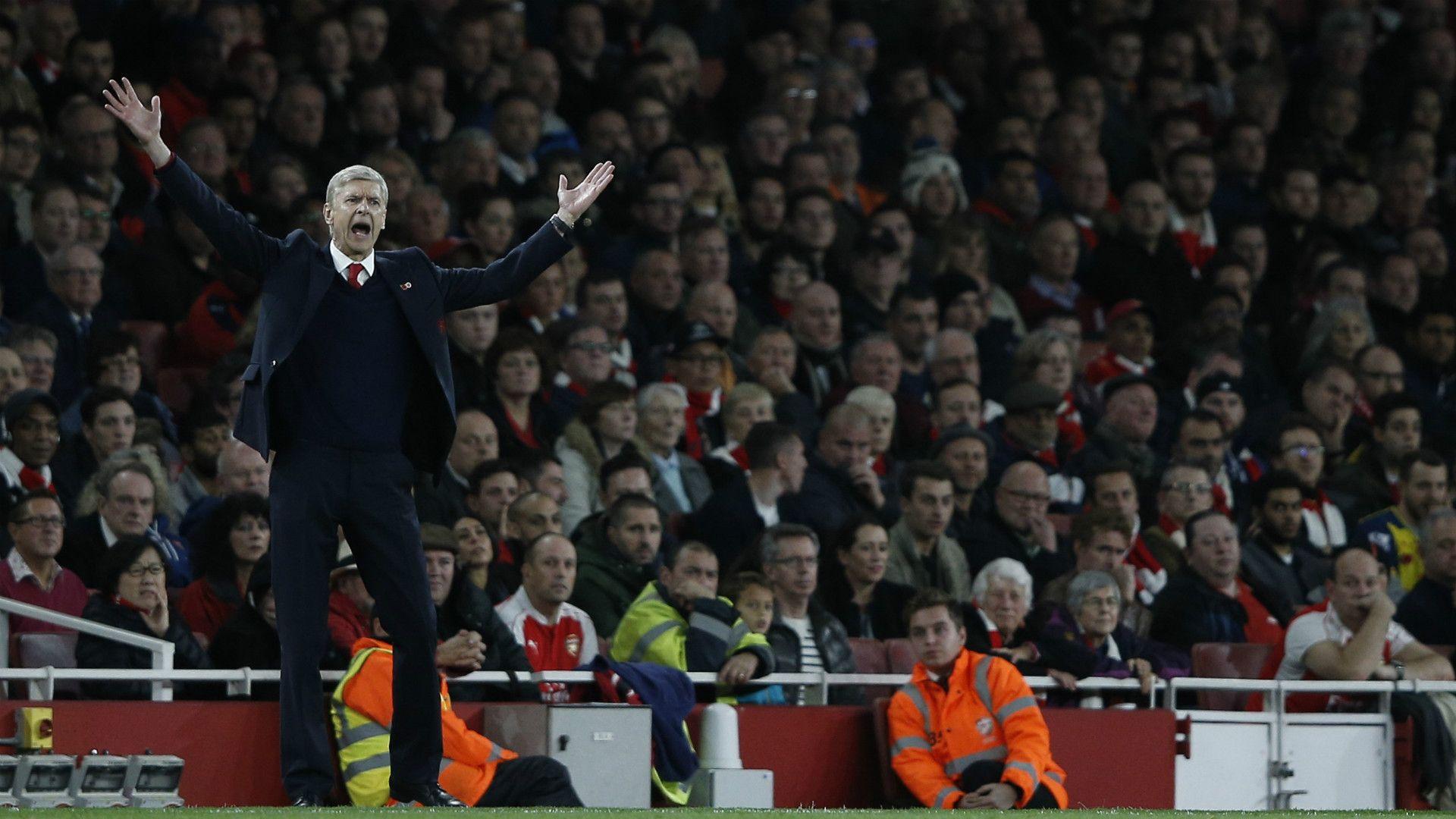
Arsene Wenger is synonymous with modern football, known for his tenure as Arsenal FC’s manager from 1996 to 2018. His influence extends far beyond the English Premier League, revolutionising training methods, dietary regimes, and tactical approaches in the sport. Wenger’s vision and philosophy have not only shaped Arsenal into one of the most recognisable brands in world football but have also left an indelible mark on the game itself.
Wenger’s Tactical Innovations
Wenger introduced a groundbreaking style of play that emphasised possession, fluid movement, and attacking football. This approach was evident during the early 2000s, particularly in the 2003-2004 season when Arsenal famously went undefeated in the league, earning them the nickname ‘The Invincibles’. His ability to spot talent and develop young players was unmatched; notably, he brought in stars like Thierry Henry, Patrick Vieira, and Cesc Fabregas, all of whom became club legends under his management.
Wenger’s Impact on Player Development
One of Wenger’s significant contributions was his focus on youth development. He built the Academy at Arsenal into a model for nurturing young talent, which has continued to yield first-team players. Under Wenger, Arsenal’s scouting network expanded globally, promoting a diverse squad that favoured technical skills over physicality. Wenger’s insights into player nutrition and fitness also transformed training regimes, leading to a new standard that many clubs now follow.
Challenges and Departure
Despite his successes, Wenger faced increasing pressure towards the end of his tenure as results dipped. The club struggled to compete financially with richer rivals and faced criticism for not winning a major trophy for an extended period. In 2018, with a sense of gratitude and respect, Wenger departed from Arsenal, leaving behind a legacy of innovation and achievement.
Conclusion
Arsene Wenger’s legacy is emblematic of a period of transformation in football. His impact on tactics, player development, and club management has shaped how the game is played and viewed today. Even after his departure, his philosophy continues to influence managers and clubs worldwide. As football evolves, the principles and innovations introduced by Wenger serve as a reminder of the importance of visionary leadership in sport. Wenger remains a revered figure in football history, and his contributions will undoubtedly be felt for generations to come.