Introduction
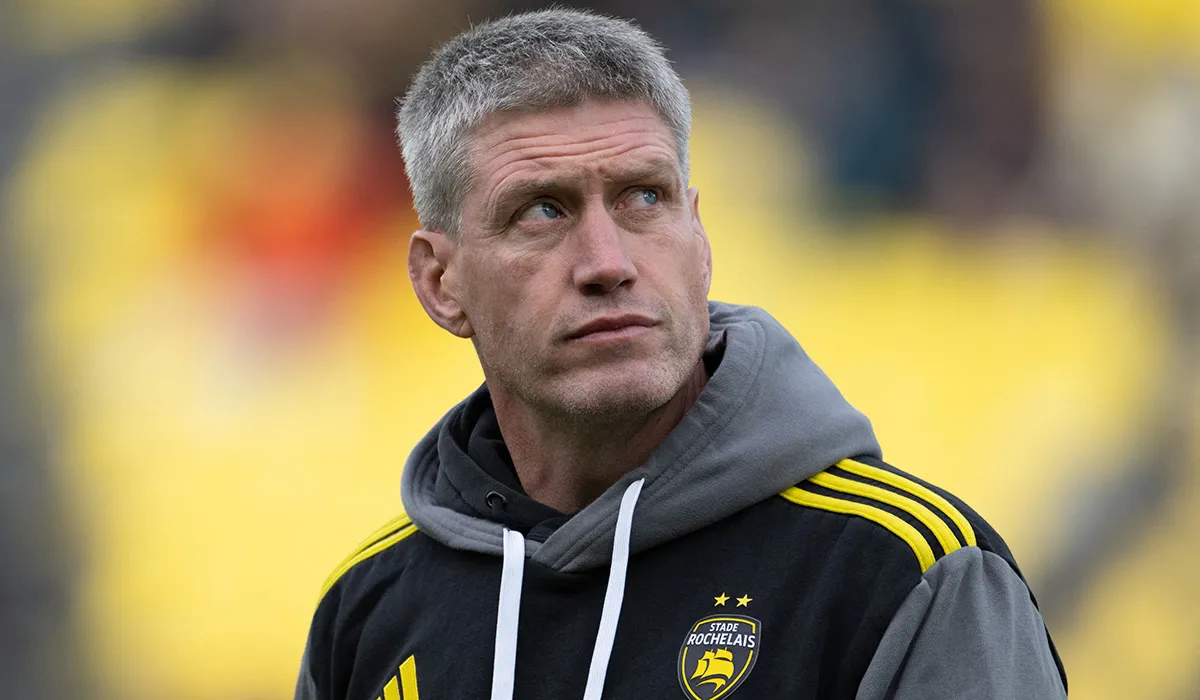
Ronan O’Gara, a name synonymous with rugby excellence, is celebrated not only for his achievements on the pitch but also for his impactful coaching career. His transition from an iconic player for Ireland and Munster to a respected coach in professional rugby highlights the evolution of the sport and the importance of leadership both on and off the field.
Career as a Player
Ronan O’Gara was born on April 7, 1977, in San Diego, California, but was raised in Cork, Ireland. He rose to prominence as a talented fly-half, making his international debut for the Irish national team in 2000. Over his 13-year international career, O’Gara earned 128 caps and scored 1,083 points, making him one of Ireland’s all-time top scorers. Notably, he played a crucial role in Ireland’s historic Grand Slam victory in 2009 and was integral to Munster’s success in the Heineken Cup, helping the team secure their first title in 2006 and again in 2008.
Transition to Coaching
After retiring from professional rugby in 2013, O’Gara took a short break before venturing into coaching. He began as the backs coach for the French club Racing 92, where his tactical acumen and insight quickly gained recognition. In 2018, he returned to his roots in Munster as the club’s head coach, signalling a new chapter in his career. His coaching style is marked by an emphasis on strategic thinking and player development, drawing on his extensive on-pitch experience.
Recent Achievements
In 2021, O’Gara was appointed the head coach of La Rochelle, leading the club to remarkable success. Under his leadership, La Rochelle secured the European Rugby Champions Cup in 2022, marking a significant milestone in the club’s history. This victory not only showcased O’Gara’s coaching abilities but also cemented his status as one of the leading figures in European rugby today. His innovative approach and unwavering commitment have reinvigorated the team and inspired a new generation of players.
Conclusion
Ronan O’Gara’s journey from a player to a prominent coach illustrates the shifting landscape of rugby, where past legends shape the future of the game. As he continues to lead La Rochelle, rugby fans and aspiring coaches alike look on with great interest. O’Gara’s contributions to the sport, both as a player and a coach, underscore the importance of mentorship and strategic development in rugby, ensuring that his legacy will endure for years to come.