Introduction
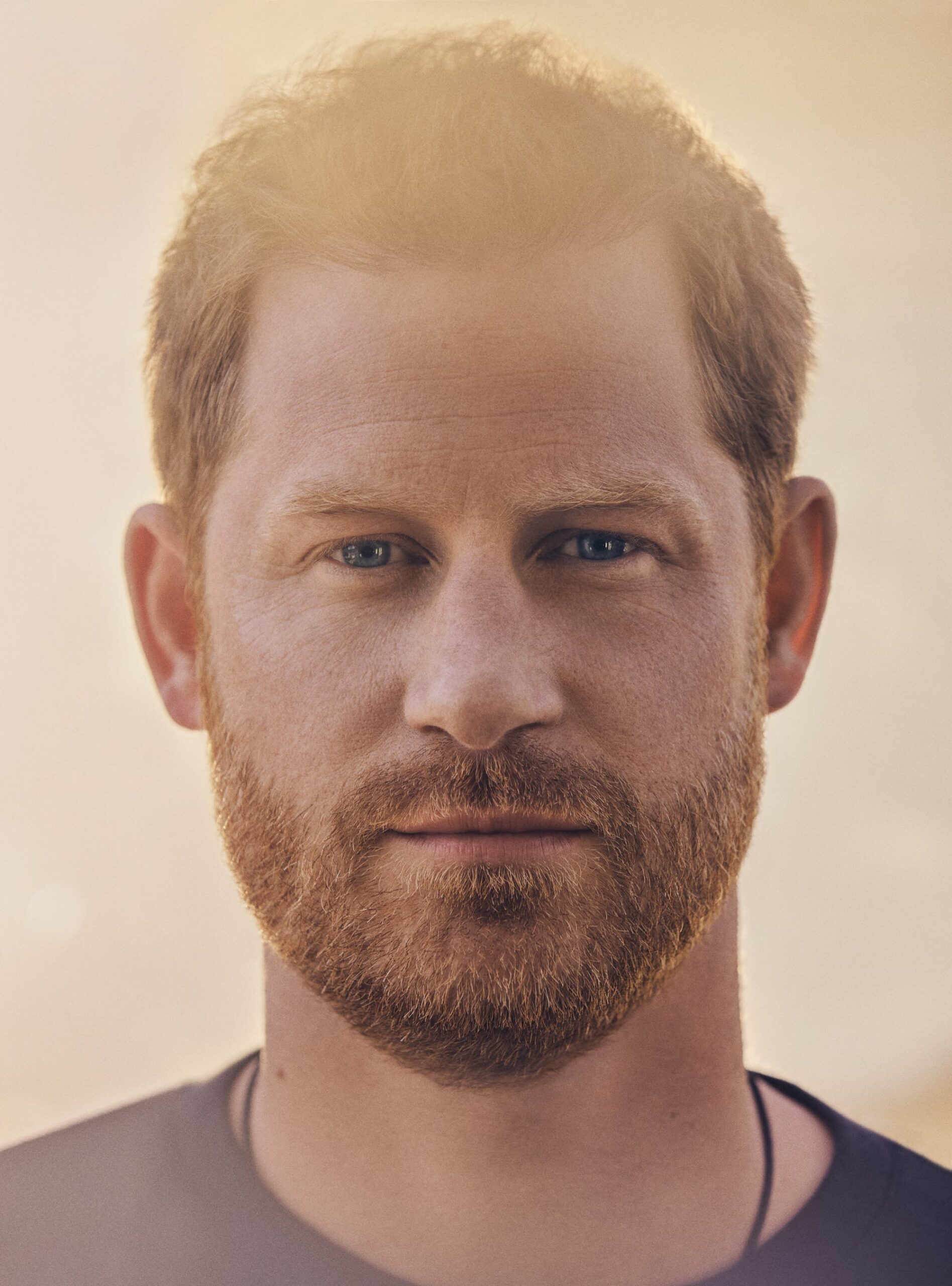
Prince Harry, Duke of Sussex, has become a prominent figure not just as a member of the British royal family, but also as an advocate for various social causes. His shift from royal duties to independent advocacy has sparked conversations around mental health, veterans’ issues, and the influence of modern monarchy. Understanding Prince Harry’s journey is vital as it reflects changing perceptions of royalty and engages discussions about personal identity and societal responsibility.
A Royal Life and Responsibilities
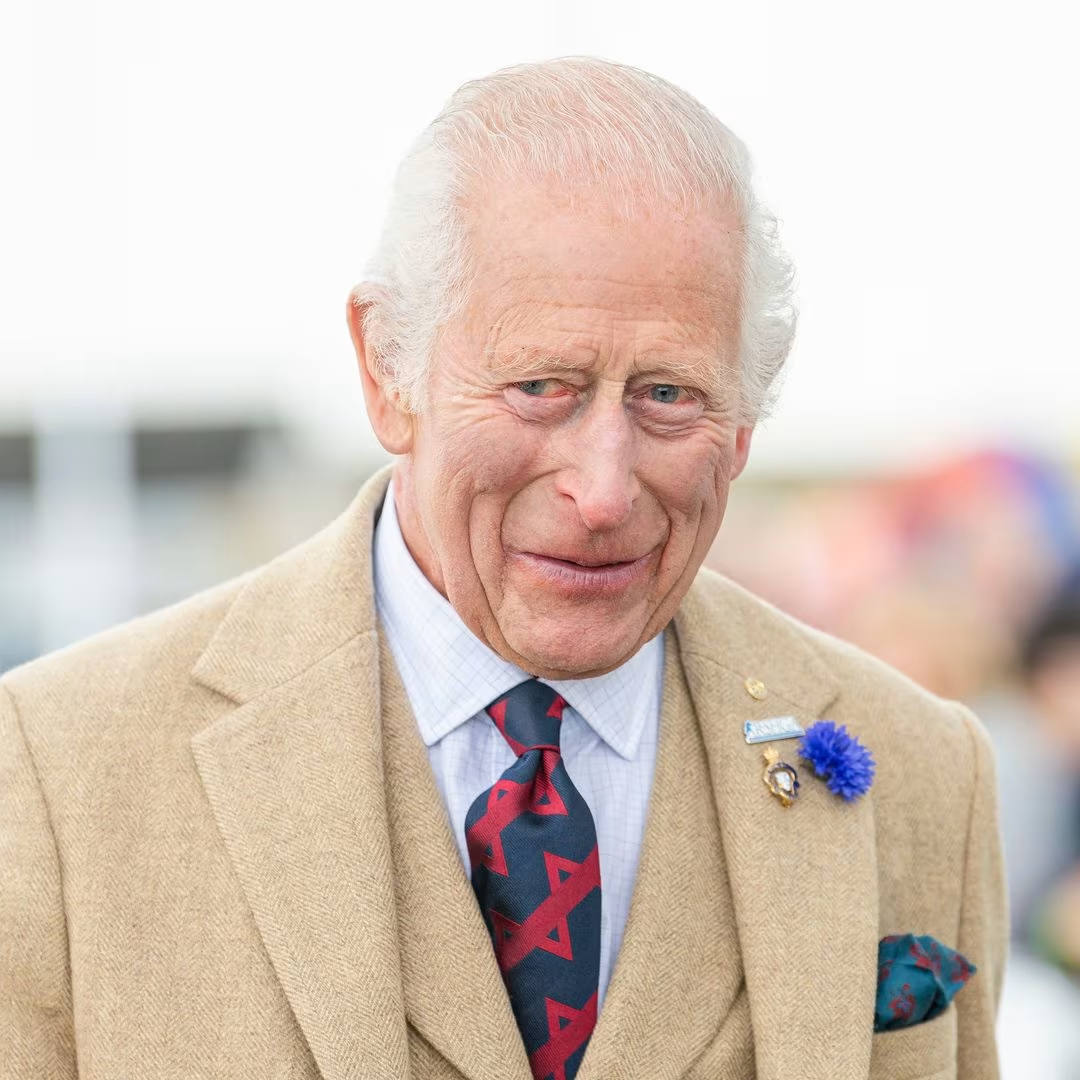
Born on September 15, 1984, Prince Harry is the younger son of Charles, Prince of Wales, and the late Diana, Princess of Wales. Initially, as a royal, Harry engaged in military service and charity work, establishing himself as a dedicated royal. His deployment to Afghanistan as an Apache helicopter pilot highlighted his commitment to his role and service, which many saw as an admirable move away from royal tradition.
Public Life and Media Scrutiny
However, Harry’s life has not been without challenges. The untimely death of his mother, Diana, in 1997 significantly impacted him, influencing his later work on mental health initiatives. His relationship with the media has often been tumultuous, culminating in his decision to step back from royal duties in early 2020 along with his wife, Meghan Markle. The couple’s move to North America faced immense media scrutiny and sparked debates about privacy, mental health, and the pressures of public life.
Advocacy and Philanthropy
Since stepping back, Harry has focused on various philanthropic efforts, establishing the Archewell Foundation alongside Meghan. The foundation aims to advance mental health initiatives and provide support for communities in need. Prince Harry has also been involved in discussions around mental health stigma, leveraging his platform to foster open conversations about mental wellness, particularly in men, which has been generally under-discussed.
Conclusion
Prince Harry’s journey from a royal figure to an advocate for change represents a significant shift in how modern royals can operate in society. His commitment to addressing mental health issues and advocating for social causes has endeared him to many, while also stirring up controversy and debate. As he continues his work, it will be interesting to observe how his legacy as a royal evolves and the influence he wields in both the royal family and the wider world. The ongoing narrative surrounding Prince Harry is a testimony to the complexities of royalty in contemporary society and invites reflections on personal responsibility and public expectations.