Introduction
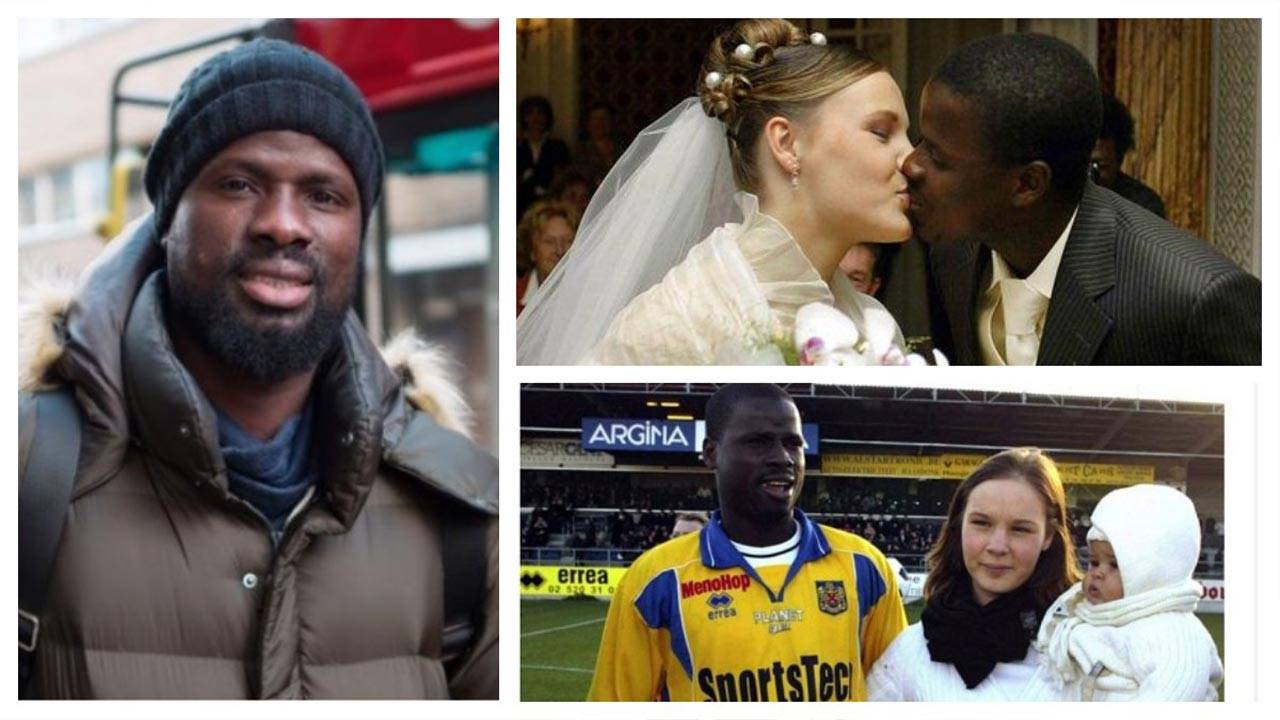
Emmanuel Eboue, once a celebrated football star, has made headlines in recent years not just for his achievements on the pitch but for his candid discussions regarding mental health struggles. Born on June 4, 1983, in Abidjan, Ivory Coast, Eboue’s journey from the top of the football world to facing personal turmoil highlights the importance of mental health awareness in sports.
A Career in Football
Eboue began his professional career at ASEC Mimosas before moving to Europe to play for Belgian club Beveren. His breakthrough came when he signed with Arsenal in 2005, where he became known for his pace and defensive skills. Over six seasons, he made over 200 appearances and was part of the squad that reached the UEFA Champions League final in 2006. Following his time with Arsenal, he played for Galatasaray in Turkey, winning multiple league titles and earning accolades for his performances.
Struggles and Advocacy
However, after retiring from professional football, Eboue faced significant personal challenges, including financial difficulties and a battle with depression. His story took a turn in 2020 when he opened up about his struggles, earning widespread support from the football community. This revelation highlighted a pressing issue: the mental health of athletes post-retirement. Eboue’s experiences resonate with many former sports stars who encounter similar challenges, reinforcing the need for supportive mental health frameworks within professional sports.
Current Initiatives
In recent months, Eboue has been actively involved in raising awareness for mental health in sports. He participates in various campaigns and events that educate athletes about the importance of mental well-being and emphasise the availability of support services. His candidness has encouraged other athletes to speak out about their mental health, transforming the stigma surrounding it into a dialogue about healing and support.
Conclusion
Emmanuel Eboue’s story is a powerful reminder of the highs and lows that can accompany a sports career. As he continues to advocate for mental health awareness, his journey encourages both current and former athletes to seek help and recognise the importance of mental well-being. Families, friends, and fans must further understand mental health’s significance and the challenges athletes may face even after their playing days are over. Eboue’s legacy transcends football; it is now one of resilience, hope, and advocacy, paving the way for a more supportive environment for future generations.