Introduction
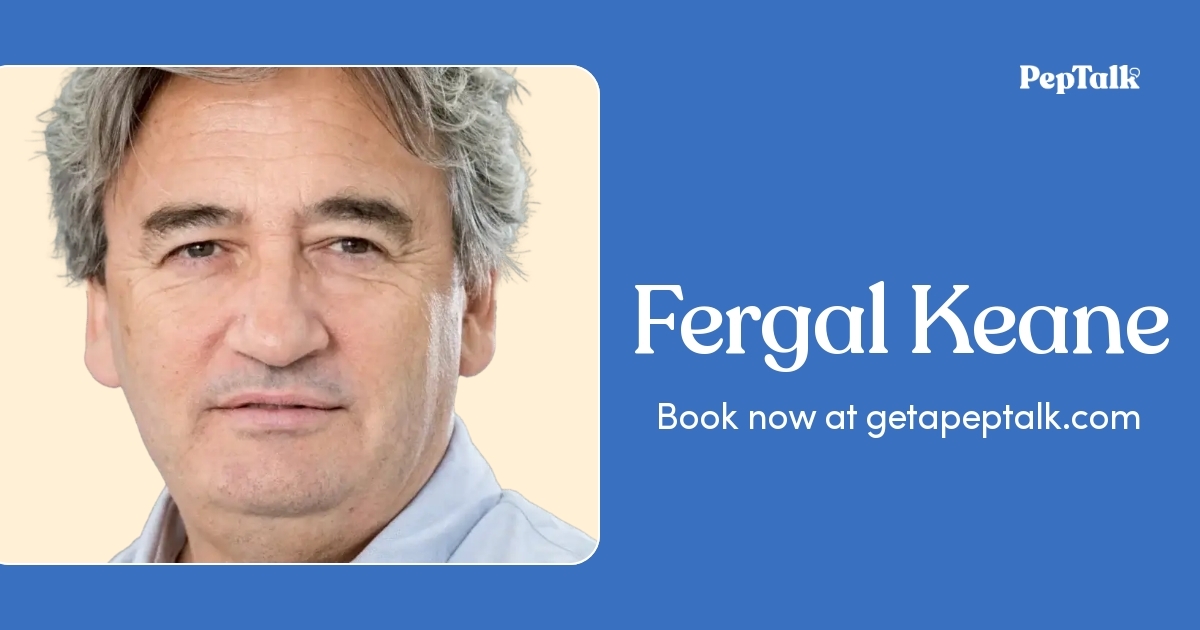
Fergal Keane is a prominent figure in journalism, recognised for his extensive reporting on some of the world’s most significant conflicts. Born in 1961 in London to Irish parents, his background instilled in him a deep understanding of both cultural and political issues. As a foreign correspondent for the BBC, Keane has covered wars, ethnic tensions, and humanitarian crises, bringing attention to the human stories behind the headlines. His work not only informs the public but also encourages empathy towards those affected by strife, making him a vital voice in contemporary journalism.
Main Body
Career Highlights
Keane’s journalism career launched in the 1980s, and he quickly gained recognition for his reports from various war-torn regions, including Rwanda, Sierra Leone, and the former Yugoslavia. In 1994, his harrowing coverage of the Rwandan genocide earned him the BAFTA Television Award for Best News Coverage. Moreover, his work has been pivotal in affecting international policy and response to humanitarian crises.
Publications and Awards
In addition to his journalism, Keane is a critically acclaimed author. His books, such as “The Bondage of Boundaries” and “A New Jerusalem,” reflect on personal and historical narratives, blending his journalistic insights with literary elegance. His storytelling prowess has garnered numerous awards, including the prestigious George Orwell Prize for his distinguished journalism.
Recent Endeavours
In recent years, Keane has focused on addressing the global refugee crisis, using his platform to highlight the plight of displaced individuals. His series of articles and reports have fostered dialogue on the urgent need for humanitarian assistance and policy reform. Keane continues to engage audiences through television documentaries and public speaking engagements, advocating for social justice and human rights.
Conclusion
Fergal Keane’s contributions to journalism extend far beyond reporting; his work serves as a crucial reminder of the complexities of global conflicts and the importance of human empathy. As we navigate a rapidly changing world, voices like Keane’s are essential for understanding the nuances of international issues. Looking forward, Keane’s ongoing commitment to highlighting underreported stories will undoubtedly inspire future generations of journalists and encourage crucial conversations about peace and justice.