Introduction
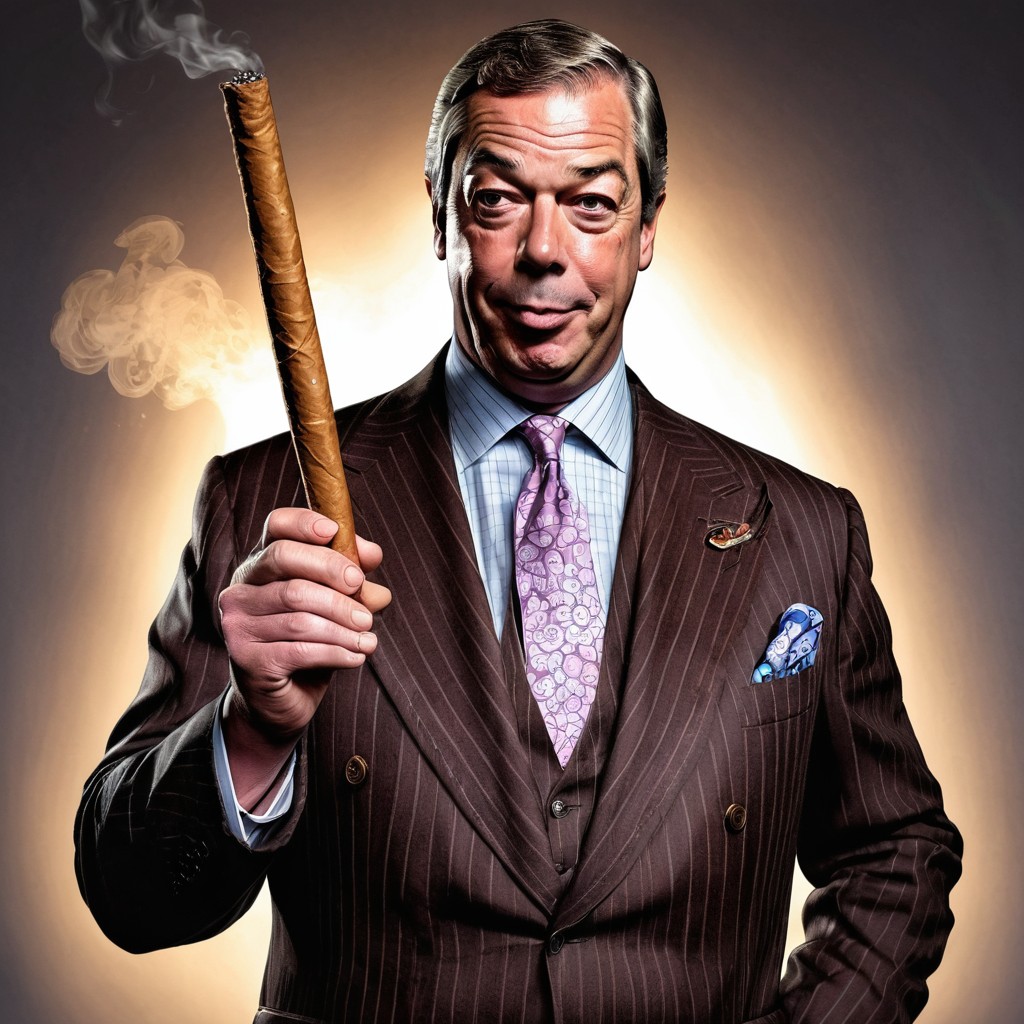
Nigel Farage, a prominent British politician, is known for his pivotal role in shaping the discourse surrounding Brexit and the United Kingdom’s relationship with the European Union. As the former leader of the UK Independence Party (UKIP) and the Brexit Party, his influence remains a significant topic in current political discussions. Understanding his impact and ongoing activities is crucial as the UK continues to navigate its post-Brexit identity.
Farage’s Political Journey
Farage began his political career in the Conservative Party but became a founding member of UKIP in 1993. His relentless campaigning for the UK’s exit from the EU positioned him as a key figure in the 2016 referendum, where 52% of voters chose to leave the EU. Following Brexit, he shifted his focus to the Brexit Party, founded in 2019, which aimed to uphold the referendum’s mandate amidst political uncertainties.
Recent Activities and Current Status
In 2023, Farage remains active in political commentary and media appearances, leveraging his platform to voice concerns about immigration and trade issues post-Brexit. His recent criticisms of the government’s handling of these matters have garnered both support and opposition. Furthermore, he has hinted at potential political re-engagement, sparking speculation about future movements within the UK political landscape.
Public Reaction and Influence
Farage’s polarising presence in British politics has elicited diverse reactions. Supporters admire his unwavering stance on sovereignty and immigration, while critics accuse him of fostering division. His ability to resonate with a significant portion of the electorate underscores the ongoing relevance of his viewpoints, especially as the government grapples with economic and social challenges in the wake of Brexit.
Conclusion
Nigel Farage’s influence on British politics is undeniable as the nation continues to adapt to its newfound independence from the EU. His next moves, whether in political office or as a public commentator, will be closely watched. For readers, understanding Farage’s role is crucial for grasping the complexities of the current political environment and the continuing impact of Brexit on the UK’s future.