Introduction
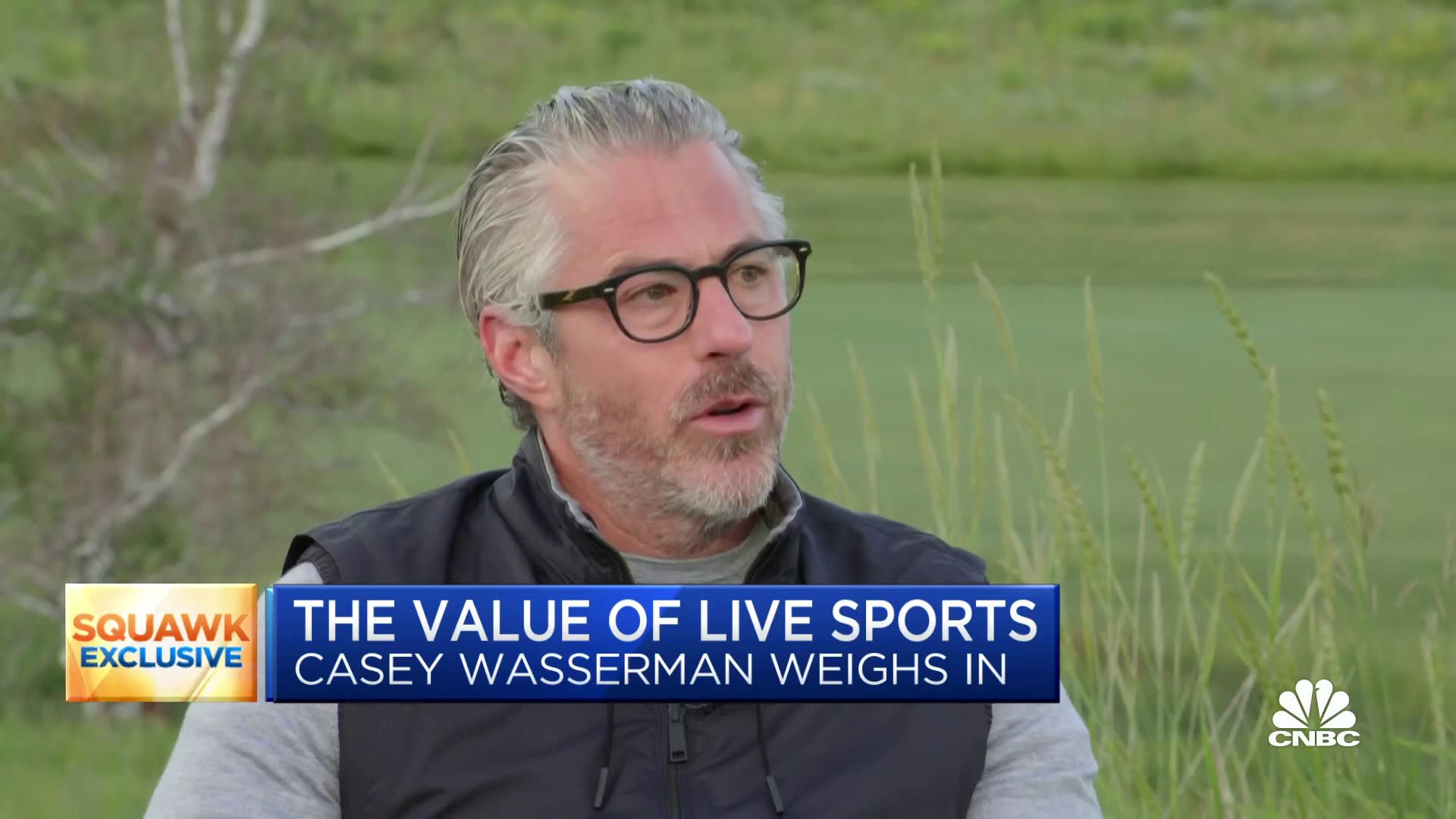
Casey Wasserman, a prominent figure in the world of sports management, has made significant strides in reshaping the industry. As the chairman and CEO of Wasserman Media Group, he has influenced not only how sports marketing functions but also how athletes engage with their communities through philanthropy. This article examines Wasserman’s impact on the sports industry and the importance of his work in today’s landscape.
Career Overview
Born into a prominent family in 1970, Casey Wasserman was introduced to the sports world at an early age. He founded Wasserman Media Group in 2002, which has since evolved to represent a diverse range of sports clients and manage the marketing and public relations aspects of these personalities. Under his leadership, the agency has grown exponentially, recently negotiating significant endorsements and partnerships that enhance both athlete brands and the companies that collaborate with them.
Key Achievements
One of Wasserman’s notable achievements is his successful management of some of the biggest names in sports, including athletes across various disciplines and Olympians. His ability to personalise brand strategies has helped set new industry standards. Moreover, Wasserman’s leadership has led to strategic acquisitions, expanding his agency’s influence globally and diversifying its services.
A Focus on Philanthropy
Beyond business, Casey Wasserman is also recognised for his commitment to philanthropic efforts. Through the Wasserman Foundation, he promotes social responsibility within sports, aiming to utilise the influence of athletes for positive community impact. His initiatives range from youth sports development to educational programmes aimed at minority students, highlighting the responsibility that comes with fame and success.
Current Trends and Future Outlook
As of late 2023, the sports management industry continues to evolve, particularly with the rise of digital marketing and media. Wasserman is adapting to these trends by incorporating new technologies and strategies to ensure his clients remain relevant in a rapidly changing environment. The focus on social issues and mental health among athletes suggests that Wasserman will continue to use his platform to advocate for important causes while enhancing the business aspects of sports management.
Conclusion
Casey Wasserman’s influence on sports management is undeniable, extending beyond traditional business practices into areas like social responsibility and athlete branding. As he navigates the complexities of the industry, his proactive approach and commitment to philanthropy will likely shape the future of sports management for years to come. For readers interested in the intersection of sports, culture, and business, following Wasserman’s journey offers invaluable insights into the changing dynamics of this exciting field.