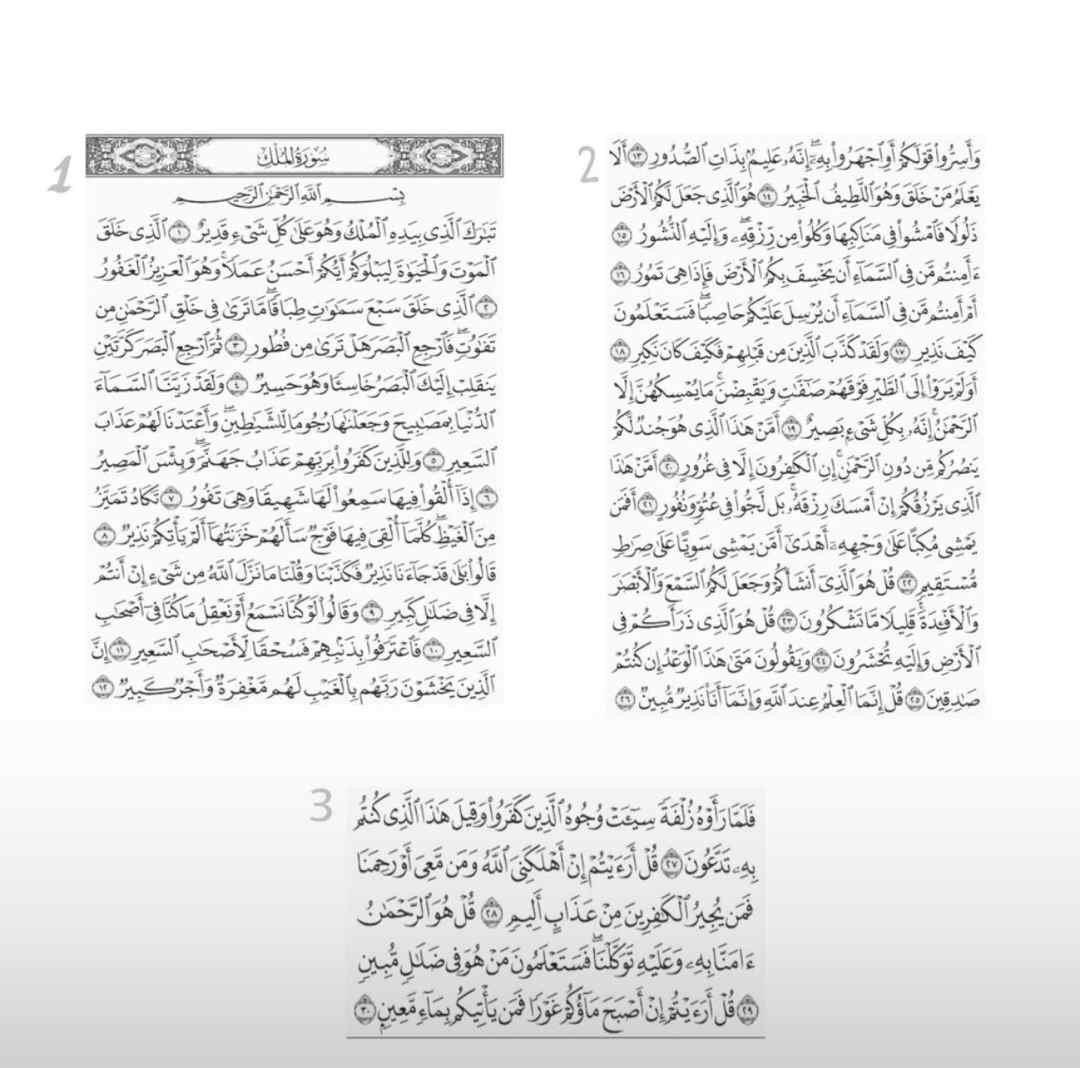
Introduction to the Quran
The Quran is considered the holy book of Islam, revered by over 1.9 billion Muslims around the globe. It is not just a religious text but a comprehensive guide covering various aspects of life, spirituality, and morality. Understanding the Quran is crucial for anyone looking to grasp the core principles of Islam and its teachings.
Historical Context and Compilation
The Quran was revealed to the Prophet Muhammad over a period of approximately 23 years, beginning in 610 CE while he was meditating in the Cave of Hira. Following his death in 632 CE, the Quran was compiled into a single book form by his followers. The first caliph, Abu Bakr, initiated this process, and it was later standardised under the third caliph, Uthman ibn Affan, around 650 CE. This historical compilation ensured consistency in the text and its transmission throughout the ages.
Structure and Themes of the Quran
The Quran consists of 114 chapters, known as Surahs, which vary greatly in length. Its verses, or Ayahs, address numerous themes, including faith, worship, social justice, and guidance on personal conduct. The Quran also recounts stories of previous prophets and significant figures in Islamic history, such as Adam, Moses, and Jesus, which underscores its continuity with earlier Abrahamic faiths.
The Quran in Daily Life
For Muslims, the Quran is not only a sacred text but also a practical guide that influences their daily lives. Recitation of the Quran is a common practice during prayers, and many Muslims commit portions of it to memory. During Ramadan, the holy month of fasting, Muslims are encouraged to read and reflect on the Quran more extensively. Additionally, scholars and imams provide interpretations that help contextualise its teachings within contemporary frameworks.
Conclusion: The Quran’s Enduring Influence
The ongoing relevance of the Quran in modern society cannot be understated. It serves as a spiritual and moral compass for millions, influencing legal systems, social norms, and interfaith dialogues across the world. As we move into a more interconnected future, the Quran remains a pivotal point of reference for understanding Islamic beliefs and cultural practices, fostering respect and unity among diverse communities.