Introduction
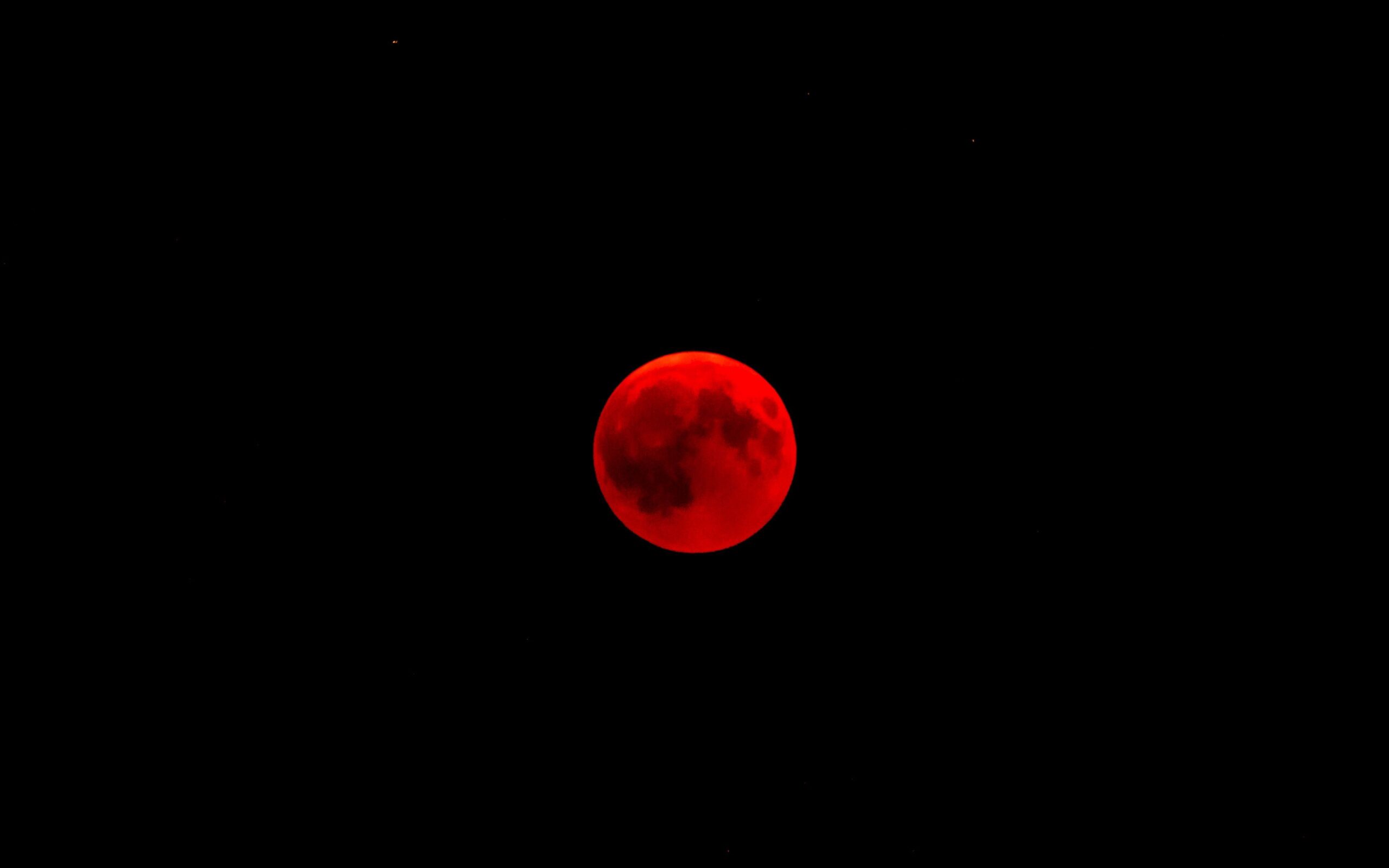
The concept of Saros cycles plays a crucial role in the study of eclipses, providing astronomers with a method to predict solar and lunar eclipses accurately. A Saros cycle is approximately 18 years, 11 days, and 8 hours long, after which the geometry of Earth, the Moon, and the Sun aligns similarly, resulting in a series of eclipses. Understanding the Saros cycle is essential not only for astronomical enthusiasts but also for those in scientific fields where precise timing of eclipses can impact research and observations.
What is a Saros Cycle?
A Saros cycle, derived from the ancient Greek word ‘saros,’ which is thought to mean ‘a thousand’, correlates celestial events, particularly eclipses, with intervals of 6585.32 days. This cycle is significant because it accounts for the varying motion of both the Earth and the Moon. Each Saros cycle begins when a solar or lunar eclipse occurs, and approximately 18 years later, the same type of eclipse will happen again, typically shifting locations by about 120 degrees longitudinally.
Recent Saros Cycles and Upcoming Eclipses
The most recent Saros cycle began with a total solar eclipse on June 10, 2002. Following this, significant eclipses included the total solar eclipses of August 21, 2017, and the hybrid solar eclipse on April 30, 2022. As we look ahead, the next notable solar eclipse from the current Saros series is expected to occur on May 1, 2023, engendering excitement within the astronomical community and the general public.
The Significance of Saros Cycles for Astronomy
For astronomers, the ability to predict eclipses with great accuracy is invaluable for planning observations and experiments. This reliability has been particularly crucial for historical astronomical studies and advances in theories concerning celestial mechanics. Additionally, the timelines set by Saros cycles aid in understanding the dynamic movement of celestial bodies and the gravitational interactions that influence their orbits.
Conclusion
Understanding Saros cycles remains a vital part of astronomy, bridging ancient practices with modern scientific applications. As technology advances, the predictions generated by these cycles continue to play a pivotal role in eclipse studies. The knowledge of when and where eclipses will occur allows for both educational and observational opportunities, fostering a deeper appreciation of our solar system. For enthusiasts and scientists alike, remaining aware of upcoming Saros cycles enhances the continuous journey of exploration into the cosmos.