Introduction
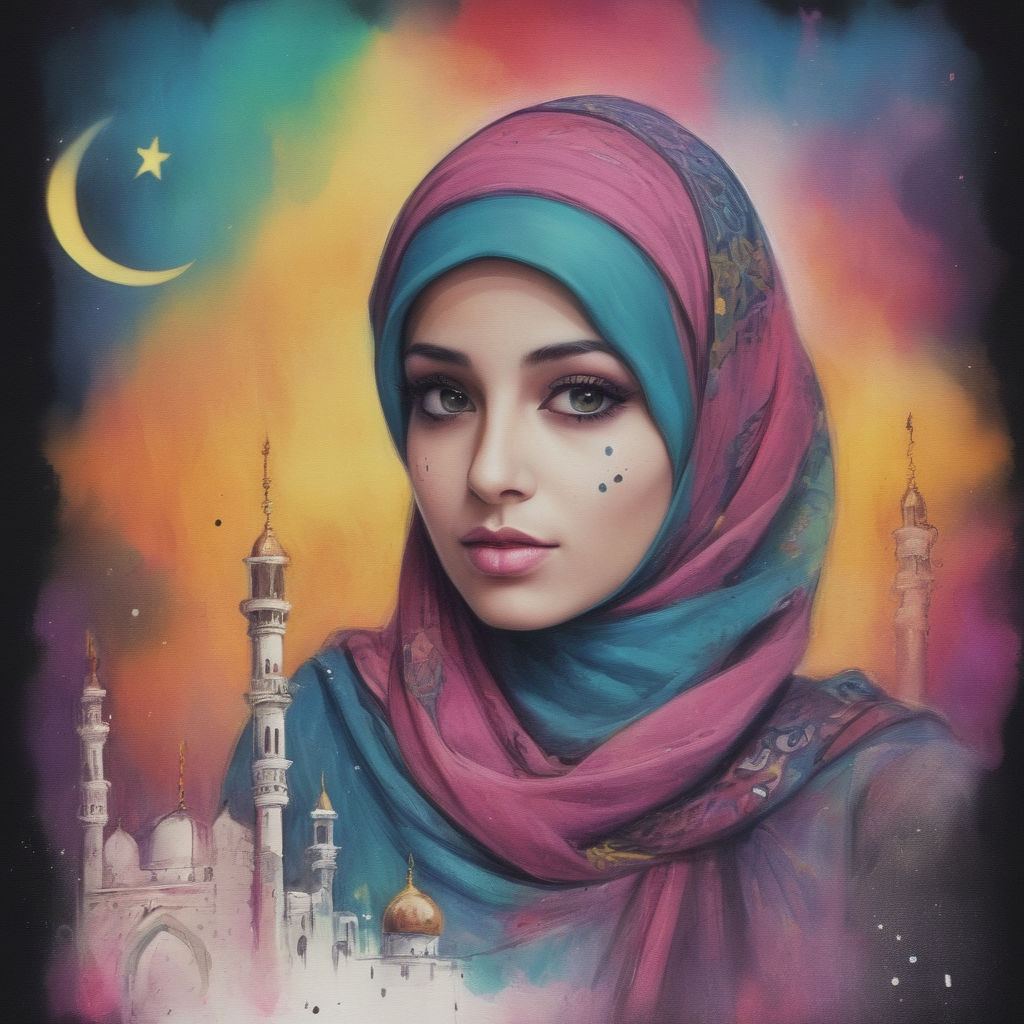
Ramadan Mubarak, a phrase often heard during the holy month of Ramadan, signifies goodwill and blessings among Muslims worldwide. This period, observed by millions, is marked by fasting, prayer, reflection, and community. The importance of Ramadan goes beyond mere spiritual practice; it encompasses cultural, social, and personal dimensions that unite families and communities, reinforcing the values of compassion, generosity, and gratitude.
What is Ramadan?
Ramadan is the ninth month of the Islamic lunar calendar. It holds significant spiritual importance as it commemorates the first revelation of the Quran to Prophet Muhammad. It lasts for 29 to 30 days, depending on the sighting of the moon, and involves fasting from dawn until sunset. Fasting during Ramadan is one of the Five Pillars of Islam, which are fundamental acts of worship that every Muslim is expected to observe.
Celebrating Ramadan Mubarak
The phrase “Ramadan Mubarak” translates to “Blessed Ramadan” and is commonly exchanged among friends, family, and the wider Muslim community as a way of wishing each other well during this sacred month. It reflects the spirit of the month, which encourages self-discipline, spiritual growth, and enhanced community ties.
Key Practices During Ramadan
During Ramadan, Muslims engage in several key practices:
- Fasting (Sawm): From dawn till sunset, Muslims abstain from food and drink, which teaches self-control and empathy for the less fortunate.
- Increased Prayer: Muslims increase their acts of worship, including the five daily prayers and additional prayers at night (Tarawih).
- Charity (Zakat): Many choose this time to give to those in need, reinforcing the importance of generosity and caring within the community.
- Reflection and Recitation of the Quran: Many aim to read or listen to the Quran more frequently, reflecting on its teachings.
Conclusion
As Ramadan Mubarak resonates around the globe, it serves as a reminder of the profound impact of faith and community in our lives. Although the traditions may vary across cultures, the essence of Ramadan remains unified in its purpose – to foster a sense of belonging and spiritual awakening. Looking ahead, the significance of this month urges individuals not only to seek personal growth but also to contribute positively to society, encouraging goodwill and understanding among diverse communities. As the world becomes increasingly interconnected, embracing the values celebrated during Ramadan can foster peace and cooperation across different cultures.