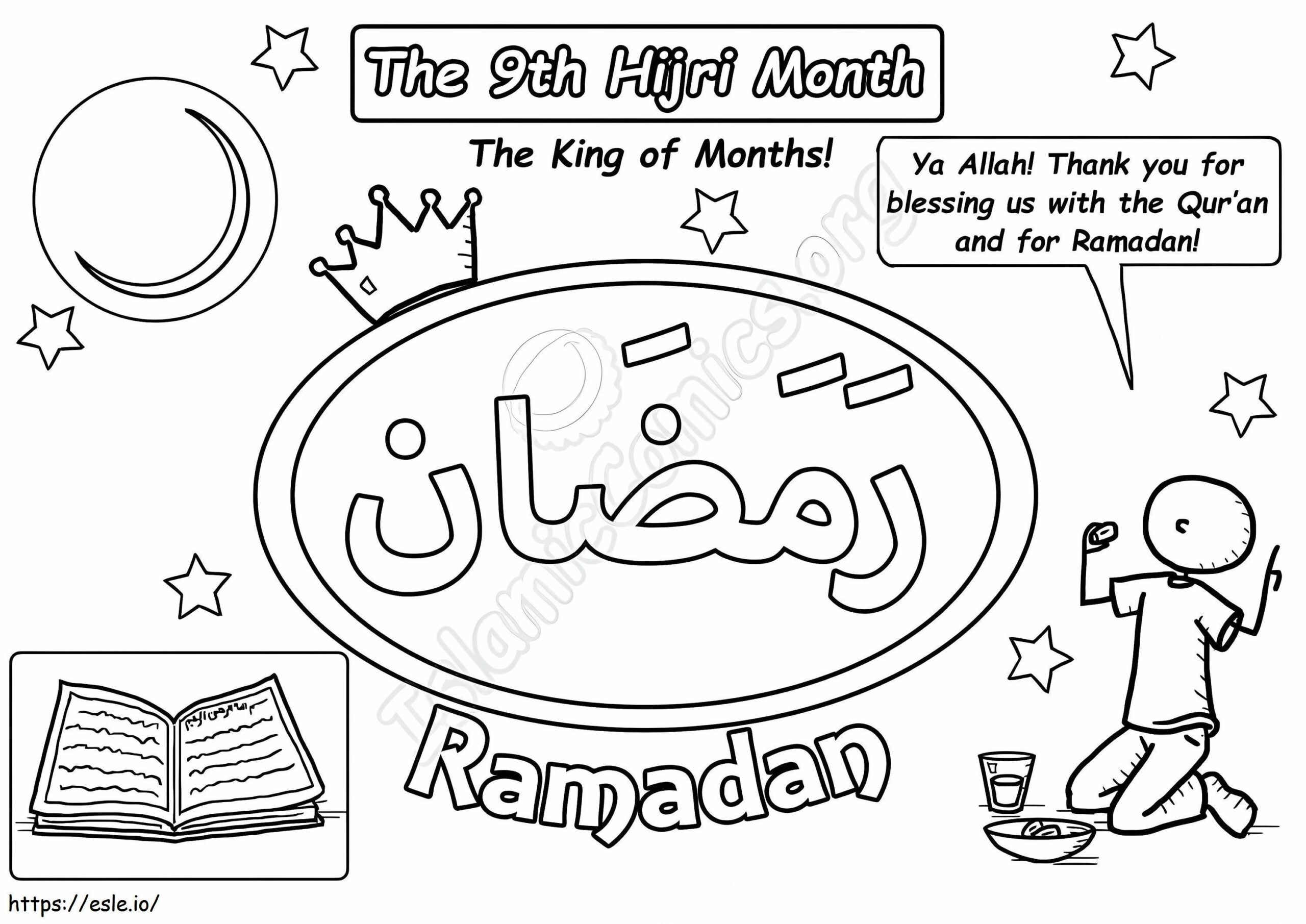
Introduction to Ramadan
Ramadan is one of the most significant months in the Islamic calendar, observed by millions of Muslims around the world. It is a period of fasting, reflection, prayer, and community, dedicated to spiritual growth and increased devotion. The month of Ramadan is especially vital as it commemorates the first revelation of the Quran to the Prophet Muhammad, making it a time for believers to strengthen their faith and deepen their relationship with God.
Key Practices During Ramadan
Fasting during Ramadan, known as ‘Sawm’, is one of the Five Pillars of Islam and serves as a way for Muslims to purify their souls and develop empathy for the less fortunate. From dawn until sunset, individuals abstain from food and drink, including water. The fast is broken each day with a meal called ‘Iftar’, typically beginning with dates and water, followed by a larger meal shared with family and friends.
In addition to fasting, Muslims increase their prayers and reading of the Quran. The nightly Taraweeh prayers are conducted, where long portions of the Quran are recited, fostering a communal environment in mosques. Many also engage in charitable activities, aligned with another Pillar of Islam, Zakat, which promotes charity and support for the needy.
Significance of Ramadan
The spiritual significance of Ramadan extends beyond merely fasting. It serves as an opportunity for self-discipline, self-reflection, and growth in patience and humility. Many individuals use this time to establish or reinforce good habits, such as improved prayer routines and engagement in Quranic study. Ramadan seeks to elevate the minds and spirits of believers, encouraging them to embrace compassion, patience, and gratitude.
Current Observations and Trends
In recent years, Ramadan has increasingly been observed in diverse cultural contexts, leading to a variety of local practices and celebrations. With advances in technology, social media has transformed how Ramadan is celebrated, allowing for the sharing of recipes, prayers, and community stories on broader platforms. Efforts to address the challenges posed by global issues, such as food security and social justice, have also been highlighted during this month, encouraging Muslims to reflect on their community responsibilities.
Conclusion
As Ramadan draws near, it remains a powerful reminder of the importance of faith, community, and charity in the lives of billions. The observance of this holy month fosters a sense of unity and global citizenship among Muslims, highlighting shared values of compassion and selflessness. With increasing awareness of its significance, Ramadan continues to inspire believers to strive for a better understanding of their faith and a more generous, kind-hearted society.