Introduction
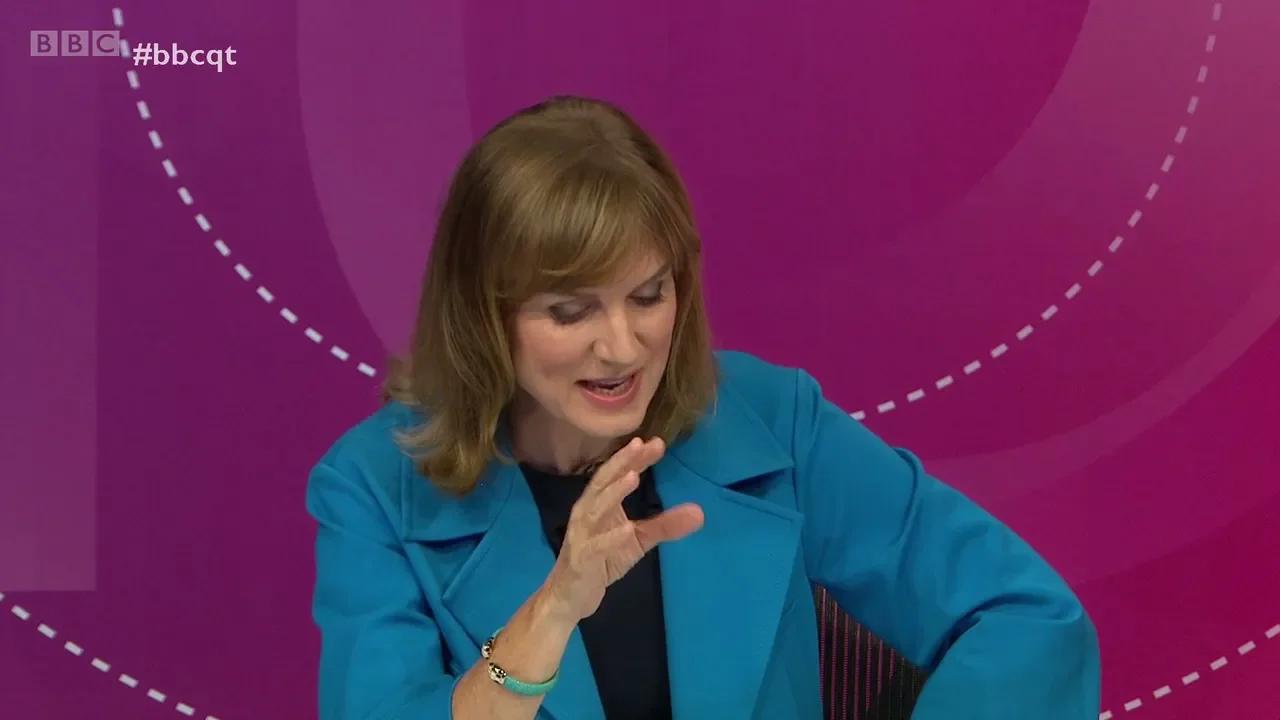
Question Time is a pivotal event in the UK Parliament where Members of Parliament (MPs) have the opportunity to question government ministers. Its significance lies not only in holding the government accountable but also in allowing citizens to witness the dynamic of parliamentary democracy in action. With the ongoing political debates and the critical issues facing the nation, Question Time remains a vital tool for ensuring transparency and responsibility in governance.
Current Developments
In recent weeks, Question Time has gained considerable attention due to a variety of pressing issues. On October 11, 2023, Prime Minister Rishi Sunak faced a series of tough questions regarding the government’s handling of the ongoing energy crisis and the recent spike in living costs. MPs from opposing parties challenged him fiercely, highlighting concerns over inadequate support for struggling families. Furthermore, the opposition’s focus on climate policies added to the tension in the chamber.
Additionally, the Speaker of the House of Commons, Sir Lindsay Hoyle, has reinforced the rules around conduct during Question Time to maintain decorum, especially evident during debates on sensitive topics such as immigration and the NHS funding crisis. The recent calls for more decorum come in light of accusations of disruptive behaviour that detracts from the seriousness of the questions being posed.
The Role of Question Time
Question Time is not just a platform for opposition parties; it serves an essential function for government officials. The opportunity to address inquiries offers ministers a chance to outline their policies and respond directly to public concerns. It is during these sessions that government officials can clarify their stance on policies that affect constituents personally. The structure of Question Time also encourages participation from MPs across the political spectrum, allowing for a diverse range of issues to be discussed.
Conclusion
As we head towards potentially pivotal elections and crucial parliamentary sessions ahead, the role of Question Time is set to become even more significant. With pressing social and economic issues at the forefront of national discourse, the continued efficacy of Question Time will not only influence political discourse but also affect how the public perceives government accountability. As citizens engage more with democratic processes, the ripple effect of an active Question Time may foster increased participation in political discussions beyond the walls of Parliament.