Introduction
Capital is a foundational concept in economics and finance, representing the assets, funds, and resources that businesses and individuals use to generate wealth and promote growth. In today’s rapidly evolving economic landscape, understanding the dynamics of capital proves essential for informed decision-making for investors, entrepreneurs, and policymakers alike.
Current Trends in Capital Allocation
As of 2023, the global economy has seen a significant shift in capital allocation influenced by factors such as technological advancements, changes in consumer behavior, and global supply chain disruptions due to the COVID-19 pandemic. Companies are increasingly investing in digital transformation, with capital directed towards technology infrastructure, cybersecurity, and online services. The rise of remote work has also prompted businesses to reconsider how they allocate capital to facilities and employee engagement initiatives.
Venture Capital and Start-up Growth
The venture capital sector has also been thriving, with record levels of funding directed towards start-ups. In 2022, global venture capital investment reached an all-time high of $300 billion, enabling start-ups in sectors like fintech, health tech, and renewable energy to flourish. This influx of capital is instrumental in fostering innovation and creating jobs, which are essential for economic recovery in the post-pandemic era.
The Role of Government and Interest Rates
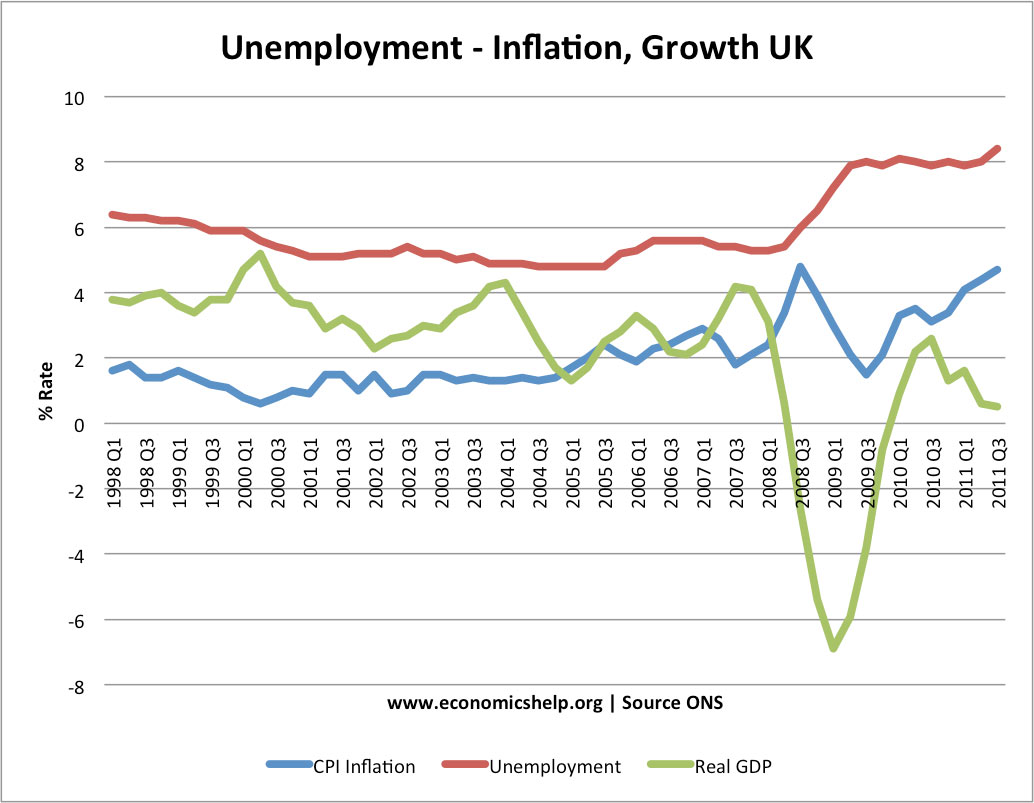
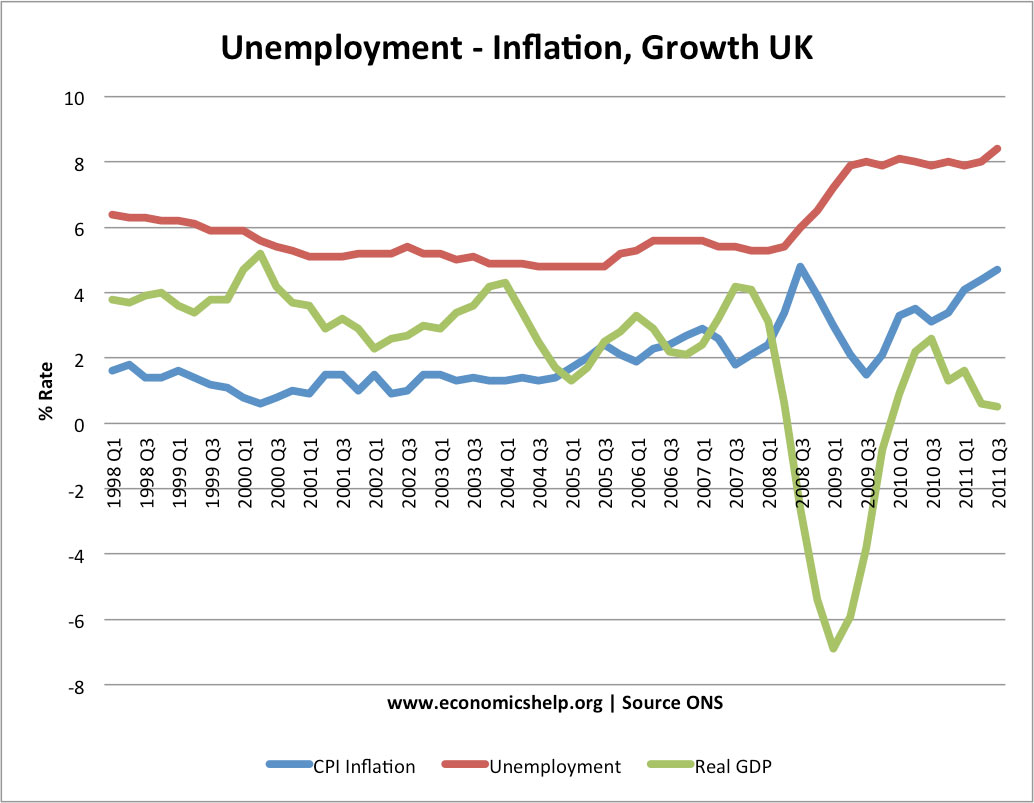
The role of government in the management of capital is increasingly important, especially in light of rising inflation rates and interest rates. Central banks, like the Bank of England, are tasked with balancing capital access through monetary policy adjustments. As interest rates rise, borrowing costs increase, which can impact investment decisions and economic growth. Policymakers are urged to find effective measures to stimulate capital flow while controlling inflation and supporting the economy’s recovery.
Conclusion
Capital plays a crucial role in shaping the economy, influencing decisions from start-ups to established corporations. Understanding the current trends in capital allocation and the factors driving these changes is vital for stakeholders at all levels. As we head further into 2023, the movements surrounding capital will remain a key indicator of economic health and a determinant of future growth trajectories for both businesses and the economy as a whole.