Introduction to Solar Flares
Solar flares are powerful bursts of radiation from the sun’s surface, regarded as one of the most intriguing events in space weather. Understanding solar flares is essential not only for astronomers but also for various sectors on Earth, including telecommunications, satellite operations, and even power grids. As scientific interest grows, recent solar activity has highlighted the relevance of monitoring solar behavior.
What Are Solar Flares?
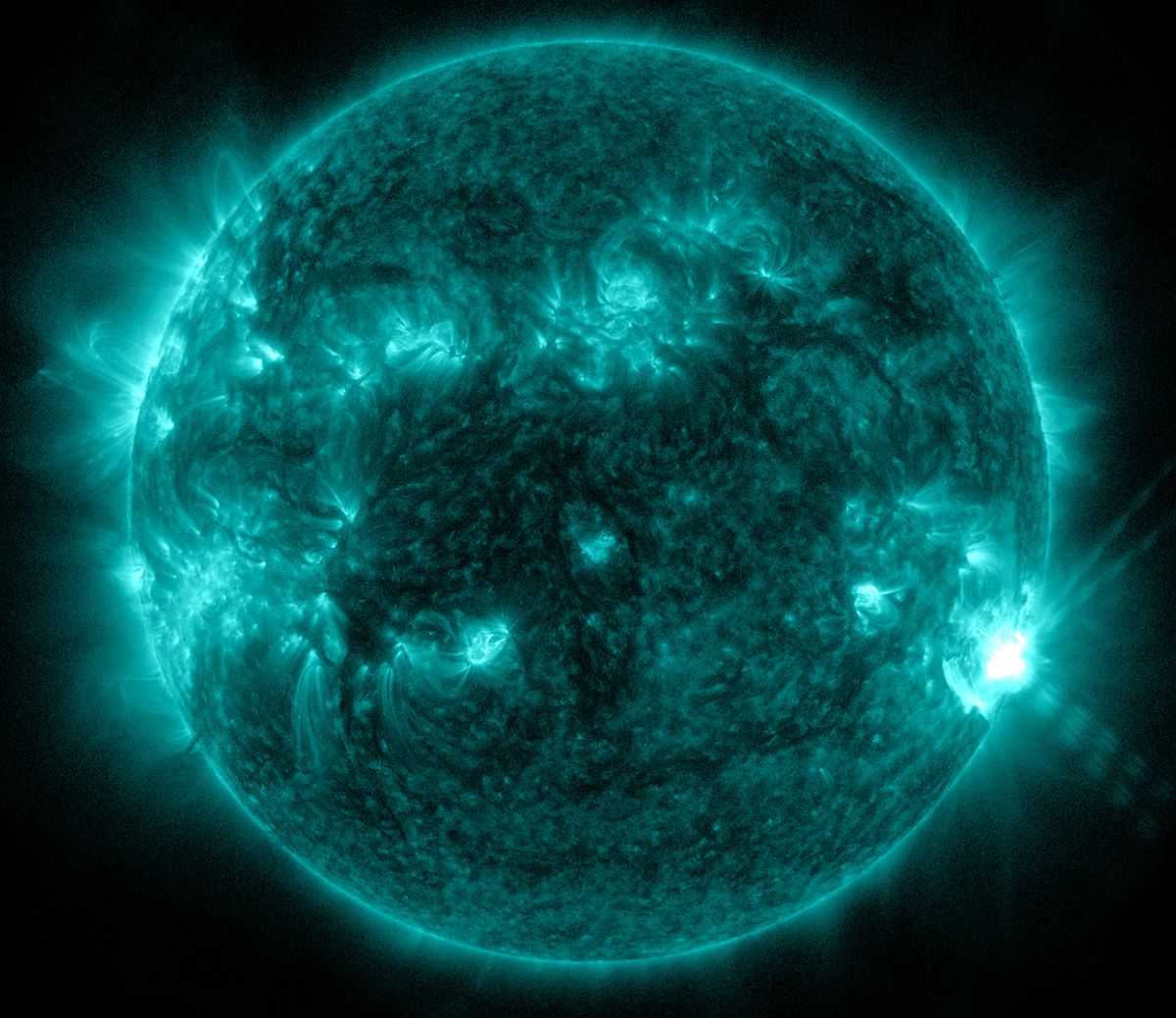
Solar flares occur when energy stored in twisted magnetic fields near sunspots is suddenly released. This explosive release emits a broad spectrum of electromagnetic radiation, including X-rays and ultraviolet light, which can influence conditions in space. Scientists commonly categorise these flares according to their intensity: A, B, C, M, and X classes, with X-class being the most powerful.
Recent Events and Findings
In recent months, the sun has entered an active phase of its 11-year solar cycle, reaching solar maximum by approximately 2025. Solar flares have increased in frequency, with notable flares observed in September 2023. The most significant flare recorded was an X1.6-class flare that caused temporary radio blackouts on the sunlit side of Earth. While these blackouts are typically brief, they highlight the need for preparedness in various sectors reliant on radio communications.
Effects on Technology
Solar flares can have several profound impacts on technology. High-frequency radio communication may be disrupted, and GPS signals can experience variations, leading to inaccuracies. The radiation from massive solar flares can also induce currents in power lines, risking overloads and blackouts. Infrastructure vulnerability means that energy companies and space agencies, such as NASA and ESA, must actively monitor solar activity to safeguard systems against damage.
Conclusion and Future Outlook
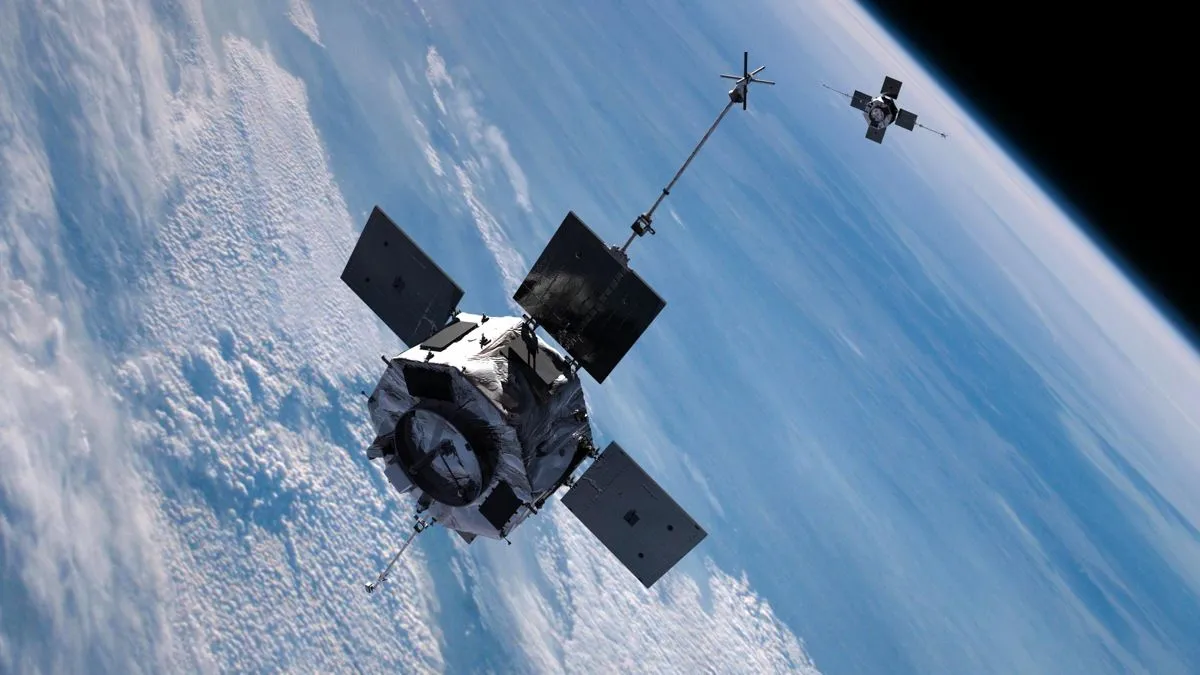
As solar flares continue to pose both a threat and a fascinating area of study, scientists are working to refine predictive models. The Solar and Heliospheric Observatory (SOHO) and the Solar Dynamics Observatory (SDO) are at the forefront of these efforts, providing valuable data to assess and mitigate risks. Considering the increasing dependence on technology, particularly in the context of space weather events, understanding and anticipating solar flares will remain critical, ensuring safety and resilience for Earth-based operations.