Introduction
As winter approaches, the city of New York braces for its annual snowfall, an event that shapes the landscape, affects daily routines, and influences the local economy. Snow in New York is more than just a picturesque view; it has significant implications for transportation, safety, and business operations. Understanding the dynamics of winter weather in this bustling metropolis is crucial for residents and visitors alike.
Recent Snow Events
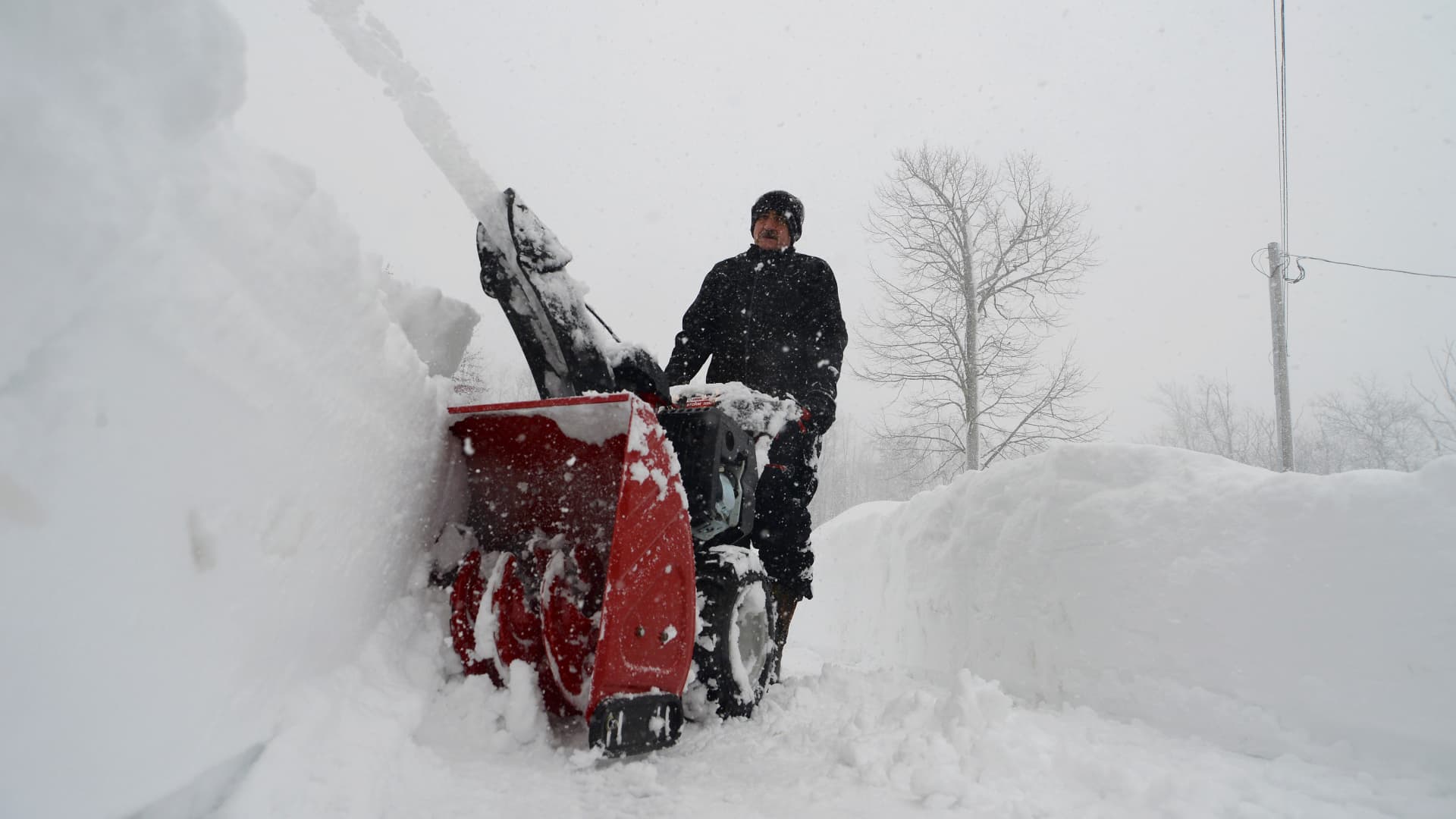
This past winter, New York City experienced its first significant snowfall in early January, which resulted in several inches covering the city. This weather event not only brought about delays in public transport, including subways and buses, but also caused hazardous driving conditions throughout the five boroughs. According to the National Weather Service, New York City received approximately 8 inches of snow in a 24-hour period, impacting rush hour commutes and leading to numerous traffic accidents.
Economic Impact
Snow events in New York have a noticeable effect on various sectors of the economy. Retailers often see fluctuations in sales during snowstorms; some benefit from the demand for winter apparel and supplies, while others, particularly those relying on foot traffic, may face significant losses. The tourism sector also experiences disruptions; iconic landmarks often close or reduce their hours of operation during severe weather. A study by the New York City Economic Development Corporation noted that winter weather directly impacts the flow of tourists, with a reported 20% decrease in visitor numbers during periods of heavy snowfall in past years.
Preparedness and Safety
The city of New York has strategies in place to handle severe snow events. The Department of Sanitation is tasked with snow removal and has a fleet of snowplows and salt spreaders prepared for deployment. City residents are encouraged to stay informed through local weather updates and to exercise caution when navigating the streets. Making use of public transit is often advised, as the subway systems typically remain more reliable than surface transportation during snow events.
Conclusion
In conclusion, New York snow is a phenomenon that significantly impacts various aspects of city life, from transportation to economic activity. As climate change continues to alter snowfall patterns, predictions for upcoming winters may become more uncertain. Residents and stakeholders are urged to remain vigilant and prepared as New York experiences its coldest months. Understanding the implications of snow events can lead to better personal and economic decisions during the winter season.