Introduction
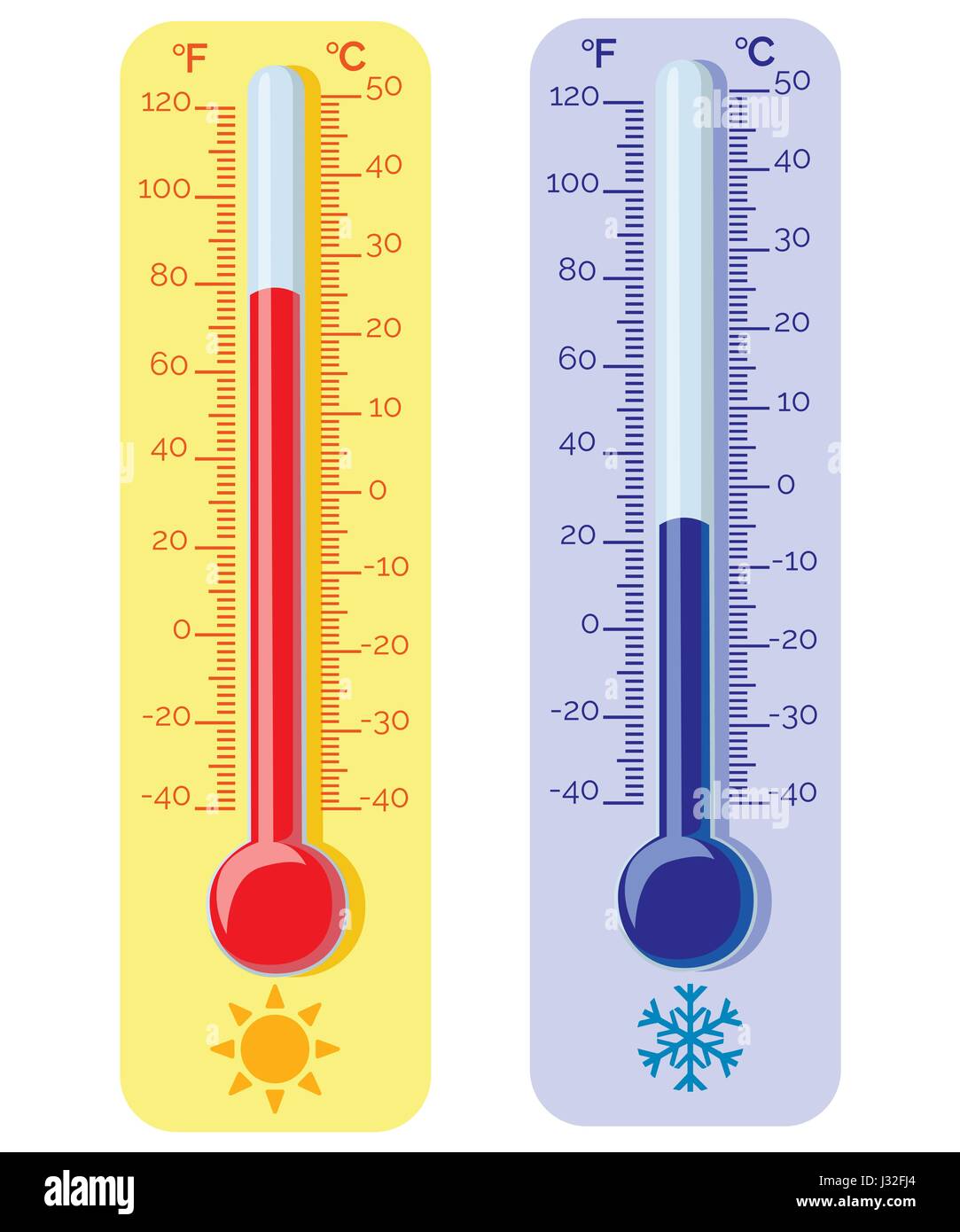
Cold weather is a phenomenon that affects many regions during the winter months, bringing with it a range of challenges and implications for daily life. Understanding the impact of cold weather is crucial for everyone, as it influences activities, health risks, and environmental conditions. As climate patterns shift, the frequency and intensity of cold weather can affect urban infrastructure and individual behaviours.
Effects on Health
One of the most significant effects of cold weather is on public health. According to the NHS, exposure to low temperatures can lead to serious health issues, including hypothermia and frostbite. Vulnerable populations, such as the elderly and those with pre-existing health conditions, are particularly at risk. Furthermore, the cold weather can exacerbate respiratory conditions, leading to increased hospital visits during winter months.
Impact on Daily Activities
Cold weather also influences daily routines and activities. Schools often face closures due to snow and ice, disrupting learning. Additionally, many outdoor activities are limited, affecting sports and recreational events. Businesses, particularly in sectors like construction and landscaping, can experience decreased productivity as weather conditions alter plans. Furthermore, transportation can be severely impacted, with icy roads leading to hazardous driving conditions and delays in public transport.
Environmental Considerations
The environment also changes with the onset of cold weather. Ecosystems can be affected as animals adapt to lower temperatures, which can lead to shifts in wildlife behaviour. Cold snaps can also impact agriculture, threatening crops and delaying planting seasons. Moreover, when temperatures fall too low, heating demand increases, potentially leading to higher energy costs and greater levels of pollution depending on the energy sources used.
Conclusion
In summary, cold weather is more than just a seasonal change; it has profound implications for health, daily activities, and the environment. As winters become colder and longer due to climate change, it is essential for individuals and communities to prepare adequately. This includes understanding health risks, adapting plans, and considering environmental impacts. With proactive measures, it is possible to mitigate some of the challenges posed by cold weather and ensure safety and wellbeing during the colder months.