Introduction
The Hollywood Bowl, located in Los Angeles, California, is a world-renowned amphitheatre known for its iconic oval shape and stunning natural acoustics. Since its opening in 1922, it has become a pivotal venue for live music, hosting a diverse range of performances from classical and jazz to pop and rock. Its significance extends beyond entertainment; it serves as a historical landmark and a gathering place for music lovers, making it a cultural touchstone in the heart of Los Angeles.
Historical Background
The Hollywood Bowl was designed by architect Frank Lloyd Wright and has undergone several renovations over its long history. Initial construction began in the late 1920s when the Hollywood Bowl became the summer home of the Los Angeles Philharmonic. The venue is famed for its breathtaking backdrop of the Hollywood Hills, further enhancing the experience for attendees. Over the decades, it has been graced by legendary artists such as Ella Fitzgerald, The Beatles, and recently, Billie Eilish, showcasing its versatility in hosting a variety of musical acts.
Current Events and Highlights
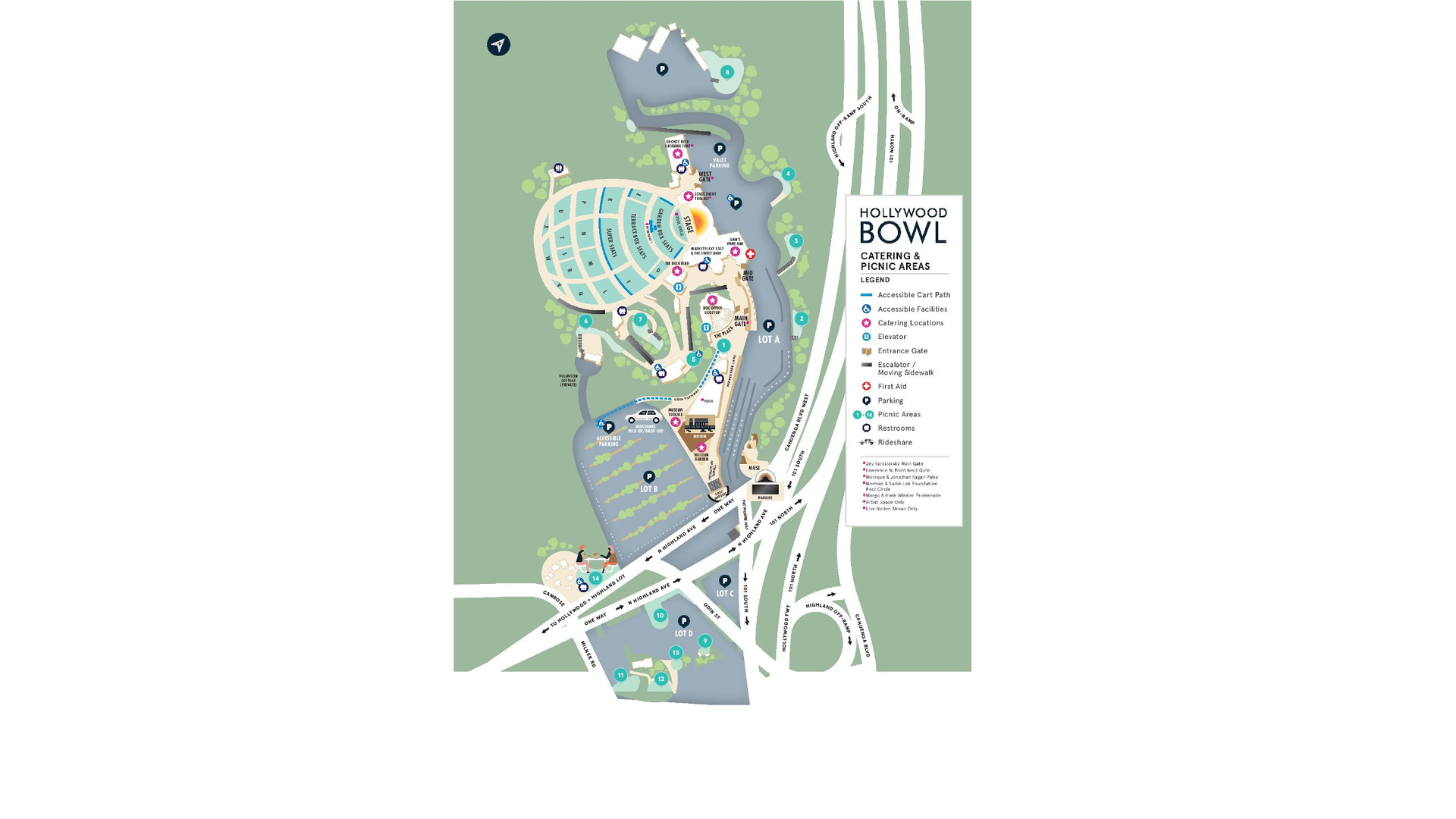
In 2023, the Hollywood Bowl continues to thrive as a premier destination for music enthusiasts. The Los Angeles Philharmonic has announced an exciting lineup for the summer season, featuring performances under the stars in one of the most picturesque settings imaginable. The venue also emphasizes inclusivity with its efforts to increase accessibility for those with disabilities, ensuring everyone can enjoy the magic of live performances. Moreover, initiatives have been launched to promote sustainability, including waste reduction strategies and eco-friendly practices within the venue.
Economic and Cultural Impact
The Hollywood Bowl not only attracts millions of visitors each year but also significantly boosts the local economy. Surrounding restaurants, hotels, and businesses benefit from the influx of concertgoers, resulting in a flourishing arts and culture scene in Los Angeles. Furthermore, the Bowl serves as an educational platform, providing outreach programs to schools and communities, allowing the youth to engage with music and the arts.
Conclusion
As the Hollywood Bowl celebrates its legacy and embraces the future, it remains a vital part of Los Angeles’ cultural landscape. Its enduring appeal and commitment to innovation highlight the importance of live music in fostering community and connecting people. Observers predict that the venue will continue to evolve, attracting new generations of artists and audiences alike, solidifying its status as a beloved icon in the realm of entertainment.