Introduction
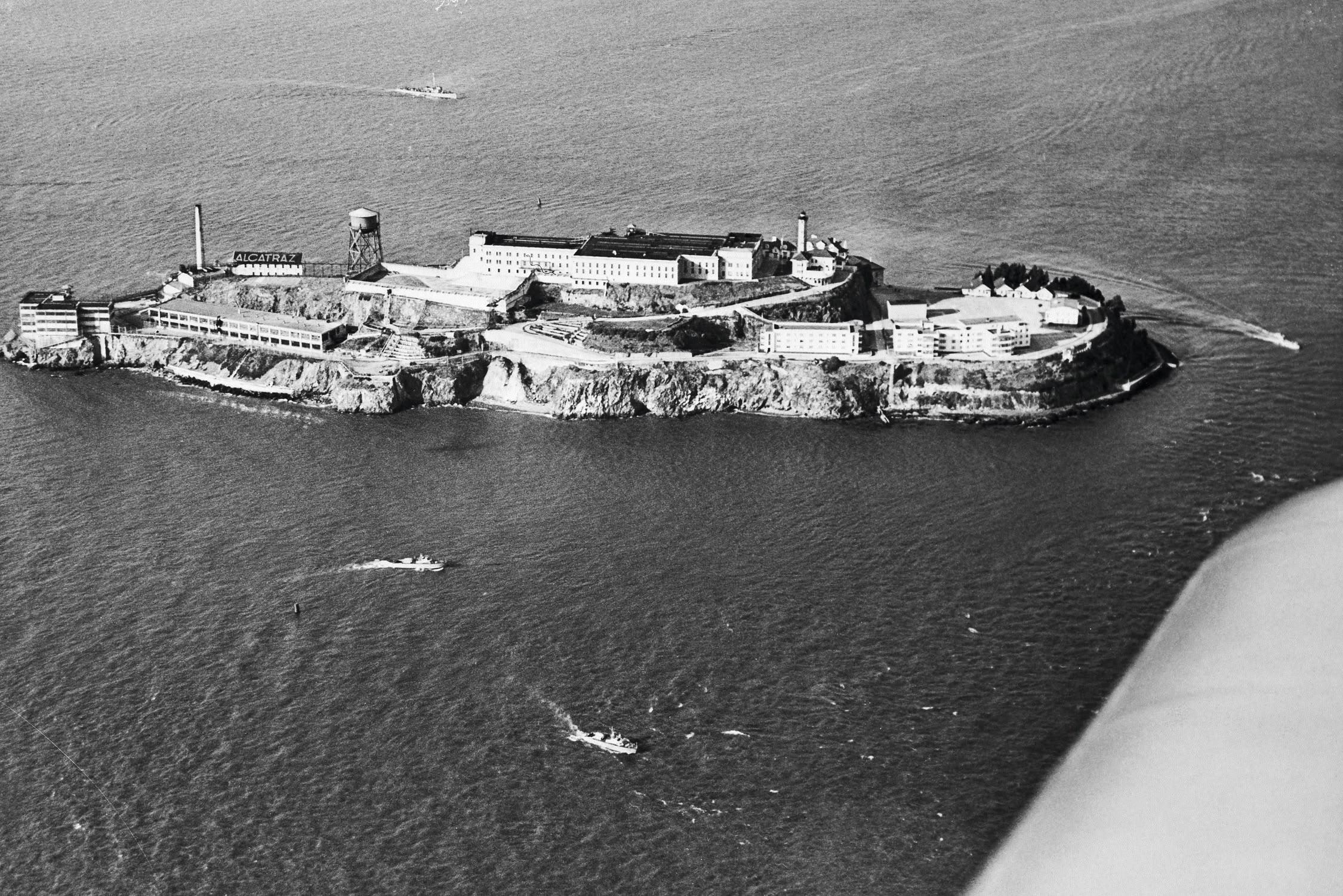
Alcatraz Island, often referred to simply as Alcatraz, is one of the most famous landmarks in the United States. Located in San Francisco Bay, the island is known for its illustrious history as a military fort, lighthouse, and infamous federal prison that housed notorious criminals. The relevance of Alcatraz today continues to resonate, as it attracts over a million visitors annually, who are drawn not only by its history but also by the tales of escape attempts and the notorious inmates who once called it home.
The History of Alcatraz
Originally discovered by Spanish explorer Juan Manuel de Ayala in 1775, Alcatraz was initially deemed an unwanted rocky outcrop. Its strategic location became apparent during the Gold Rush of the mid-1800s, leading to the construction of a military fortification and later a lighthouse. In 1934, Alcatraz transformed into a maximum-security federal penitentiary, designed to hold the most dangerous criminals.
Notable inmates included Al Capone, George ‘Machine Gun’ Kelly, and Robert Stroud, ‘The Birdman of Alcatraz.’ The prison was known for its strict discipline and isolation, making it virtually impossible for incarcerated individuals to escape. An infamous escape attempt in 1962, which involved three inmates and was immortalised in movies and literature, is often cited as one of the most daring.
Closure and Legacy
Alcatraz was closed in 1963 due to high maintenance costs and deteriorating structures. The island’s closure marked the end of an era, leading to its gradual transformation into a historical site. In 1972, the National Park Service opened the Alcatraz Historic Site, allowing public access to the remnants of the prison and other island facilities.
Tourism and Cultural Impact
Today, Alcatraz Island stands as a symbol of American history, hosting over 1.5 million visitors each year. The audio tour, which includes narratives from former inmates and prison guards, adds an interactive element, bringing the stories of Alcatraz to life. Events like escape attempts are revisited through guided tours, enhancing the tourist experience.
Conclusion
Alcatraz Island embodies a significant chapter of American history, serving as a reminder of the complexities of the justice system. Its transformation from a feared prison to a celebrated historical site illustrates the importance of preserving our past. As interest in Alcatraz continues to flourish, it serves as a significant educational resource about law enforcement, punishment, and society’s evolution. With ongoing preservation efforts, Alcatraz remains an integral part of the cultural heritage of the United States.