Introduction
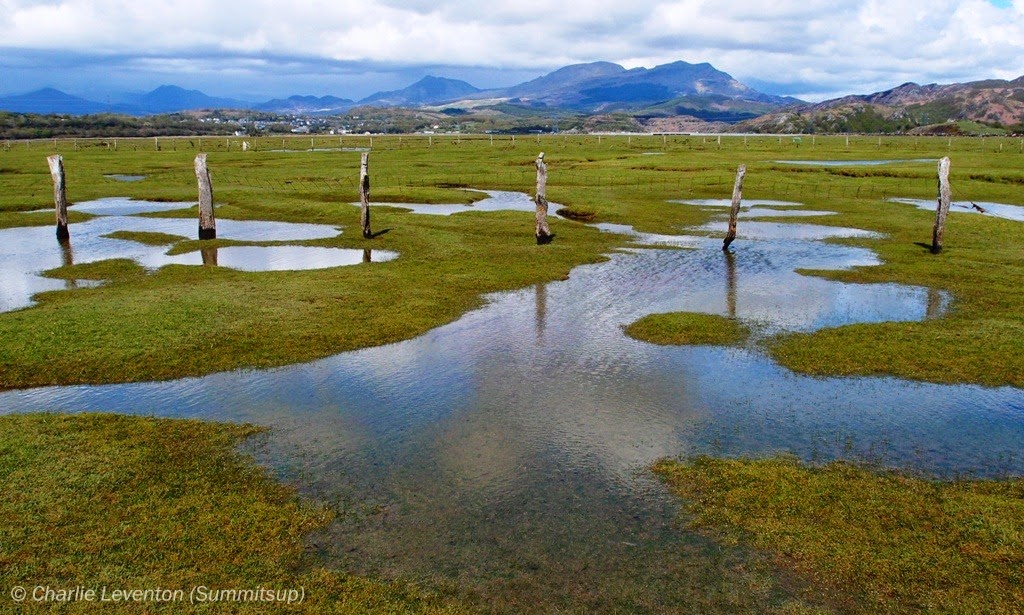
The salt marsh is a unique and vital ecosystem that lines coastlines around the world, serving as a critical buffer against storm surges and providing rich feeding grounds for wildlife. Understanding the intricate world beneath the salt marsh is not only important for conservation efforts but also offers insights into the health of our oceans and the impact of climate change. As environmental awareness grows, so does the importance of exploring and preserving these delicate habitats.
The Ecosystem Beneath
Beneath the surface of the salt marsh lies a diverse community of organisms, from microorganisms to crustaceans, that play crucial roles in nutrient cycling and food webs. Studies conducted in summer 2023 revealed that these marshes serve as nurseries for various fish species, supporting both local fisheries and the larger ecological balance. Species such as mullet and flounder find refuge in the protective environment of the marsh during their early life stages before venturing into the open sea.
Recent Findings
Recent studies undertaken by marine biologists at the University of Exeter highlighted the importance of sediment composition in salt marsh ecosystems. The research, published in August 2023, found that areas with a higher organic content supported more diverse and abundant invertebrate populations. These invertebrates, including molluscs and amphipods, are key food sources for many shorebirds and fish, illustrating the interconnectedness of the salt marsh ecosystem.
Challenges Facing Salt Marshes
Despite their ecological significance, salt marshes face numerous threats, primarily due to climate change and coastal development. Rising sea levels and increased flooding can lead to the degradation of these habitats, which in turn affects the myriad species that rely on them. Conservationists have urged for more protective measures, including establishing marine protected areas and restoring degraded marshlands to ensure the sustainability of these ecosystems.
Conclusion
The world beneath the salt marsh is far richer and more complex than often recognised. Continued research and public awareness are crucial for understanding and preserving these ecosystems. As climate challenges mount, protecting salt marshes not only benefits biodiversity but also enhances coastal resilience. A concerted effort towards conservation can help ensure that the hidden wonders of the salt marsh continue to thrive for future generations.