Introduction
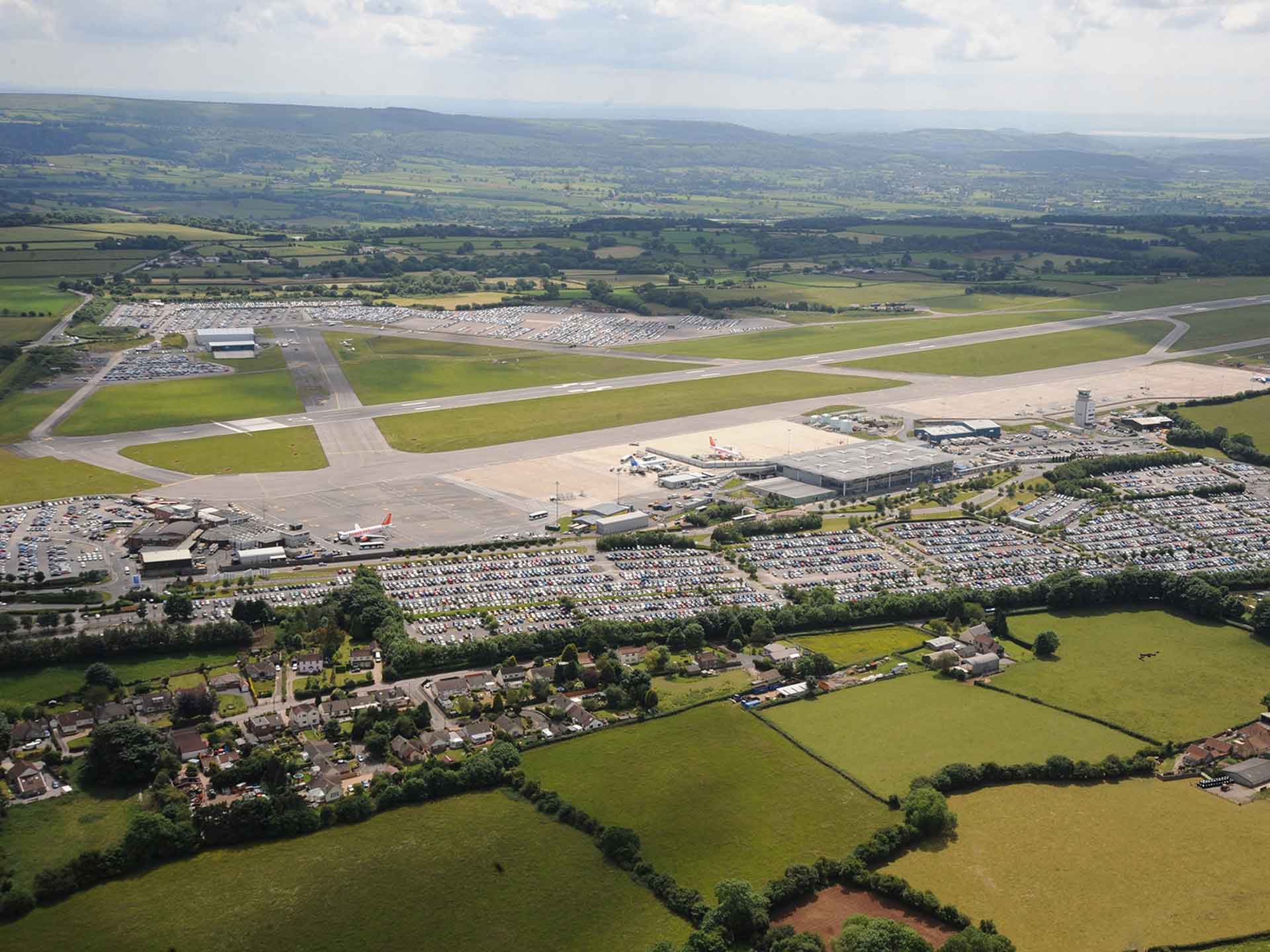
Bristol Airport has emerged as a vital hub for air travel in the UK, connecting millions of passengers to both domestic and international destinations. Its strategic location, just eight miles from Bristol city centre, makes it a convenient choice for travellers in the South West region. As the demand for air travel continues to rise, understanding the developments at Bristol Airport and their implications is crucial for both the local community and the broader economy.
Recent Developments
In recent months, Bristol Airport has been undergoing significant expansion and upgrades aimed at enhancing passenger experience and increasing capacity. The airport recently completed a multi-million-pound investment in its infrastructure, which includes the expansion of the terminal and the addition of new security lanes to improve efficiency. These changes are expected to allow the airport to handle up to 12 million passengers a year, up from the current limit of approximately 9 million.
In line with its growth, Bristol Airport has also expanded its list of airline partners, attracting new carriers and routes. Recently, the airport announced new seasonal flights to popular holiday destinations, which are expected to boost tourism in the region significantly. Moreover, the increased connectivity will provide residents with more options for travel, supporting both leisure and business trips.
Economic and Environmental Impact
The expansion of Bristol Airport is not only crucial for enhancing travel convenience but also plays a significant role in the local economy. It is estimated that the airport generates thousands of jobs in the region, including direct employment at the airport and indirect jobs in related sectors such as hospitality and ground transport. As the airport grows, these numbers are expected to rise, potentially providing a much-needed economic boost following the recent global downturn due to the COVID-19 pandemic.
However, the expansion plans have not been without controversy. Concerns regarding environmental impacts and increased noise pollution have been raised by local residents and environmental groups. Bristol Airport has committed to reducing its carbon footprint, implementing measures such as improved public transport links and carbon offsetting initiatives to address these issues. Balancing growth with sustainability remains a top priority as the airport looks to the future.
Conclusion
Bristol Airport stands at a pivotal moment as it navigates through expansion and development in response to growing travel demand. The continued enhancements to its facilities and services are poised to make it a prominent player in the UK aviation industry. As the airport works to accommodate future growth while addressing environmental concerns, it serves as a case study for airports globally on how to adapt and thrive in a changing travel landscape.