
Introduction
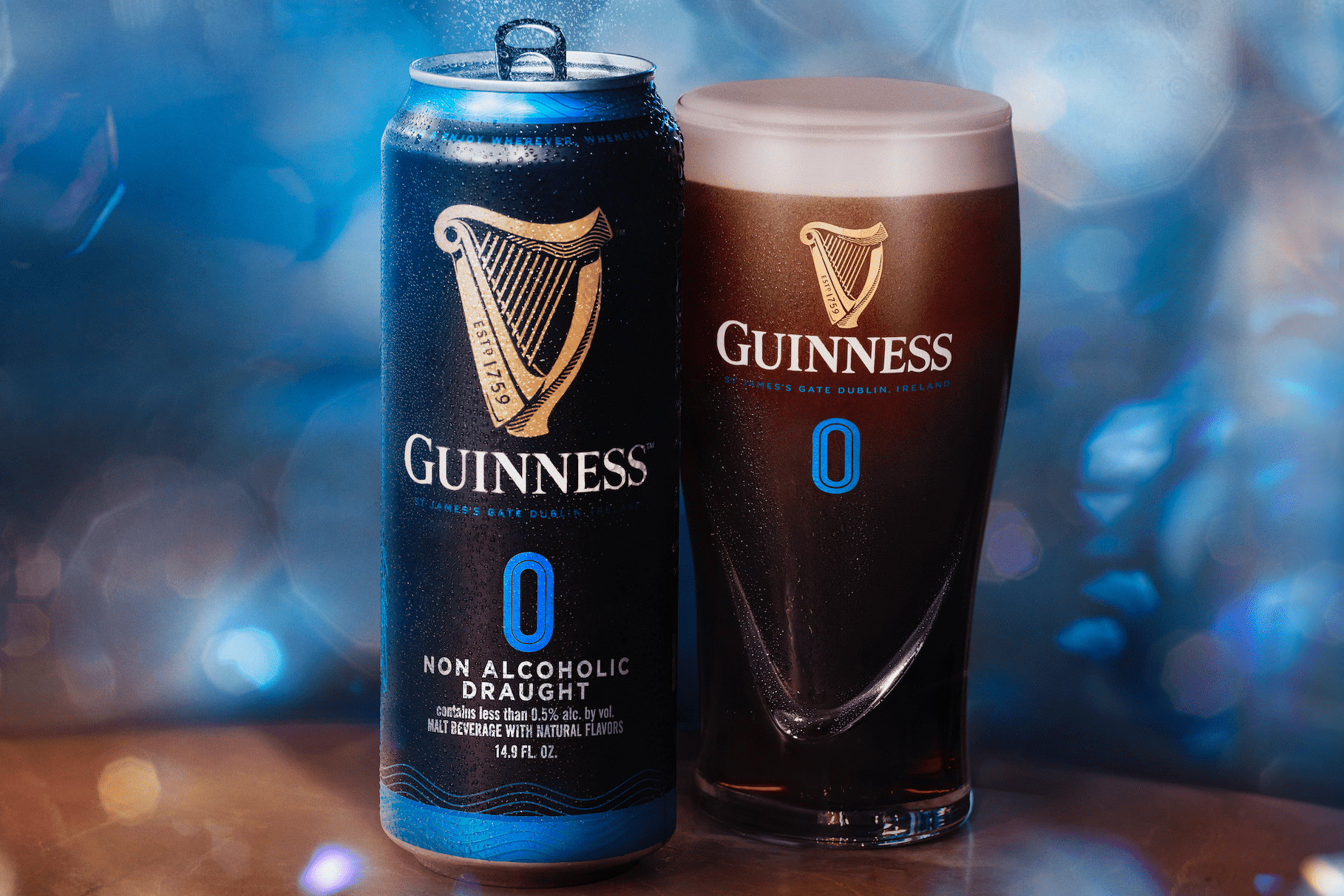
Guinness, the iconic Irish stout first brewed in 1759, is not just a beverage; it signifies a rich heritage of brewing and cultural identity. With its distinct dark colour and creamy head, Guinness has become a staple in bars and pubs across the globe. Its relevance stretches beyond mere consumption, influencing economies, tourism, and social communities both in Ireland and internationally.
The Historical Significance of Guinness
Arthur Guinness began brewing at St. James’s Gate Brewery in Dublin, and the brand has since become synonymous with Irish culture. Over the years, Guinness has created strong ties to Irish identity, particularly evident during cultural celebrations such as St. Patrick’s Day, with millions partaking in the stout. Its marketing strategies, notably the famous ‘Guinness is Good for You’ campaign, have contributed significantly to its global renown.
Current Events: Guinness in 2023
As of 2023, Guinness continues to evolve. The brand recently announced the opening of a new state-of-the-art brewery and visitor centre in Dublin, promoting sustainability and embracing modern brewing techniques. This facility not only focuses on the craft of brewing but also aims to enhance visitor experiences through educational tours and tastings, thereby driving tourism to Dublin’s famous Guinness Storehouse.
Furthermore, Guinness has been actively involved in various social initiatives, including supporting local communities through the ‘Guinness Gives Back’ programme, which emphasises environmental sustainability and responsible drinking. Recent surveys indicate a growing trend toward craft beers, yet Guinness remains steadfast in its commitment to quality and innovation.
The Broader Impact of Guinness
Guinness is more than just a drink; it has a significant economic impact. In 2022, the company reported sales revenue exceeding €1.7 billion, showcasing its power in the beverage industry. Its global reach means that it not only generates jobs in Ireland but also stimulates employment in other markets.
Conclusion
Looking ahead, the future of Guinness appears promising. With a firm standing in the international market and ongoing investments in sustainability and community initiatives, the brand is poised to maintain its historical significance while adapting to contemporary tastes. As Guinness continues to embrace innovation alongside traditional brewing methods, its journey reflects not only its dedication to quality but also a broader narrative of cultural preservation in an increasingly globalised world.