Introduction
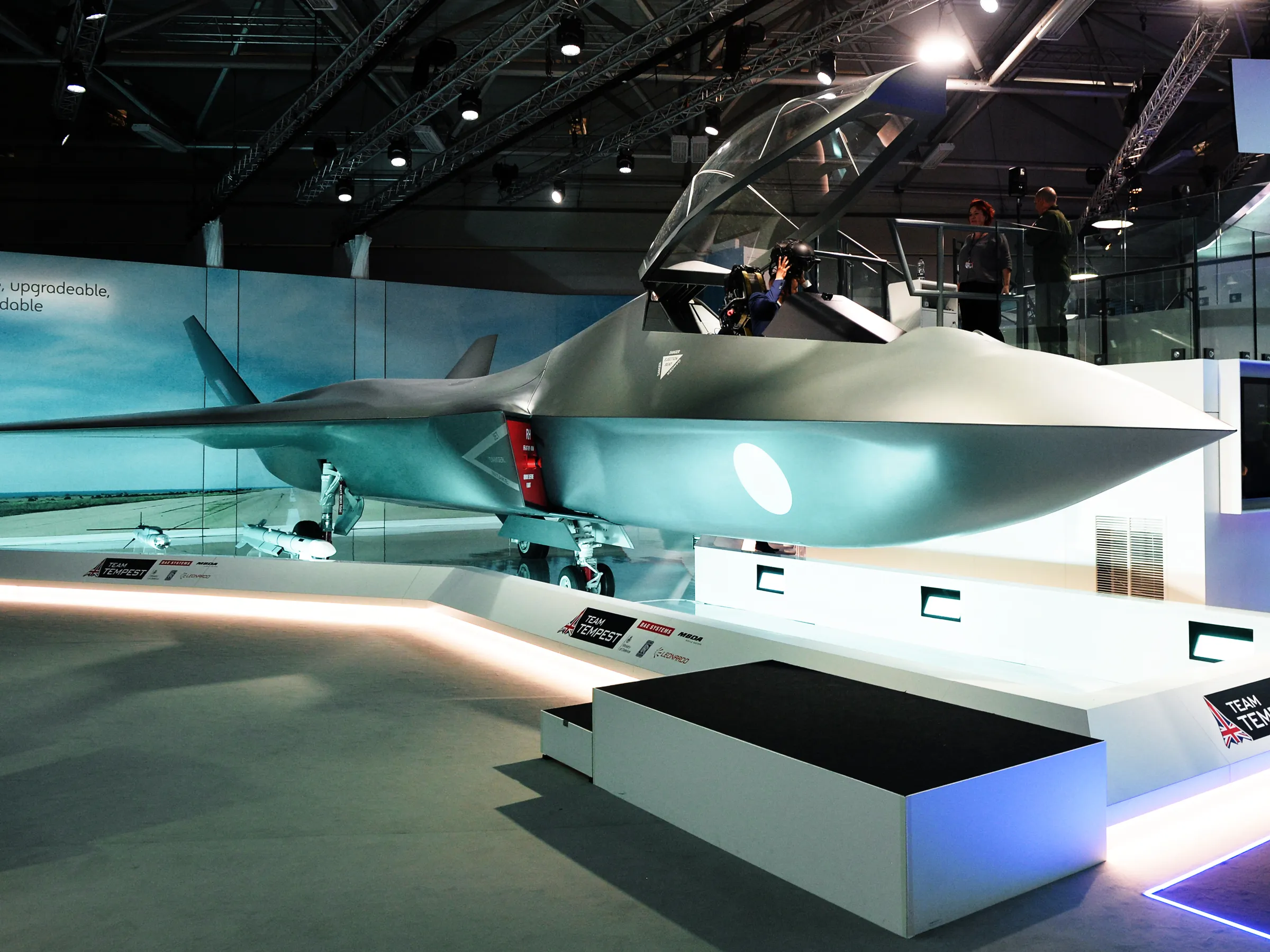
The Tempest fighter jet represents a significant leap in military aviation technology, designed to maintain the United Kingdom’s strategic advantage in the air. As global tensions rise and military technologies evolve, the development of the Tempest marks a crucial investment in the UK’s defence capabilities. This programme not only showcases the potential of British engineering but also underscores the importance of advanced aerial combat systems in modern warfare.
The Tempest Programme
Launched in 2018, the Tempest project is a collaborative effort between the UK Ministry of Defence and several key industry partners, including BAE Systems, Rolls-Royce, and Leonardo. Aimed at developing a new generation of fighter aircraft to enter service by 2035, the Tempest will incorporate cutting-edge features such as artificial intelligence, unmanned capabilities, and advanced stealth technology.
Key Features and Developments
The Tempest is expected to feature a range of innovative technologies that will redefine air combat. Among these, the integration of artificial intelligence is anticipated to enhance situational awareness and decision-making capabilities, allowing the aircraft to react swiftly in dynamic combat environments.
Additionally, the aircraft is designed to operate alongside drones and other unmanned vehicles, creating a networked force multiplier effect. This approach will enable the Tempest to conduct coordinated tactical operations, significantly improving mission success rates.
Recent advancements have also included the testing of novel propulsion systems, which will allow the Tempest to perform at extraordinary speeds and altitudes while maintaining fuel efficiency. These developments highlight the importance of sustainable technologies in future military applications.
International Collaboration
Recognising the global nature of defence requirements, the UK is actively seeking partnerships with other nations. Japan and Italy have expressed interest in collaborating on the Tempest programme, exemplifying the increasing trend of international cooperation in military technology development. Such partnerships not only foster innovation but also strengthen geopolitical ties.
Conclusion
The Tempest fighter jet is poised to transform the landscape of aerial warfare. As nations across the globe continue to invest in sophisticated military technology, the UK’s commitment to the Tempest programme underscores its dedication to remaining at the forefront of defence capabilities. With the first flights anticipated in the coming years, the Tempest will serve as both a defence tool and a technological marvel, exemplifying the future of air power in the 21st century.