Introduction to Solar Eclipses
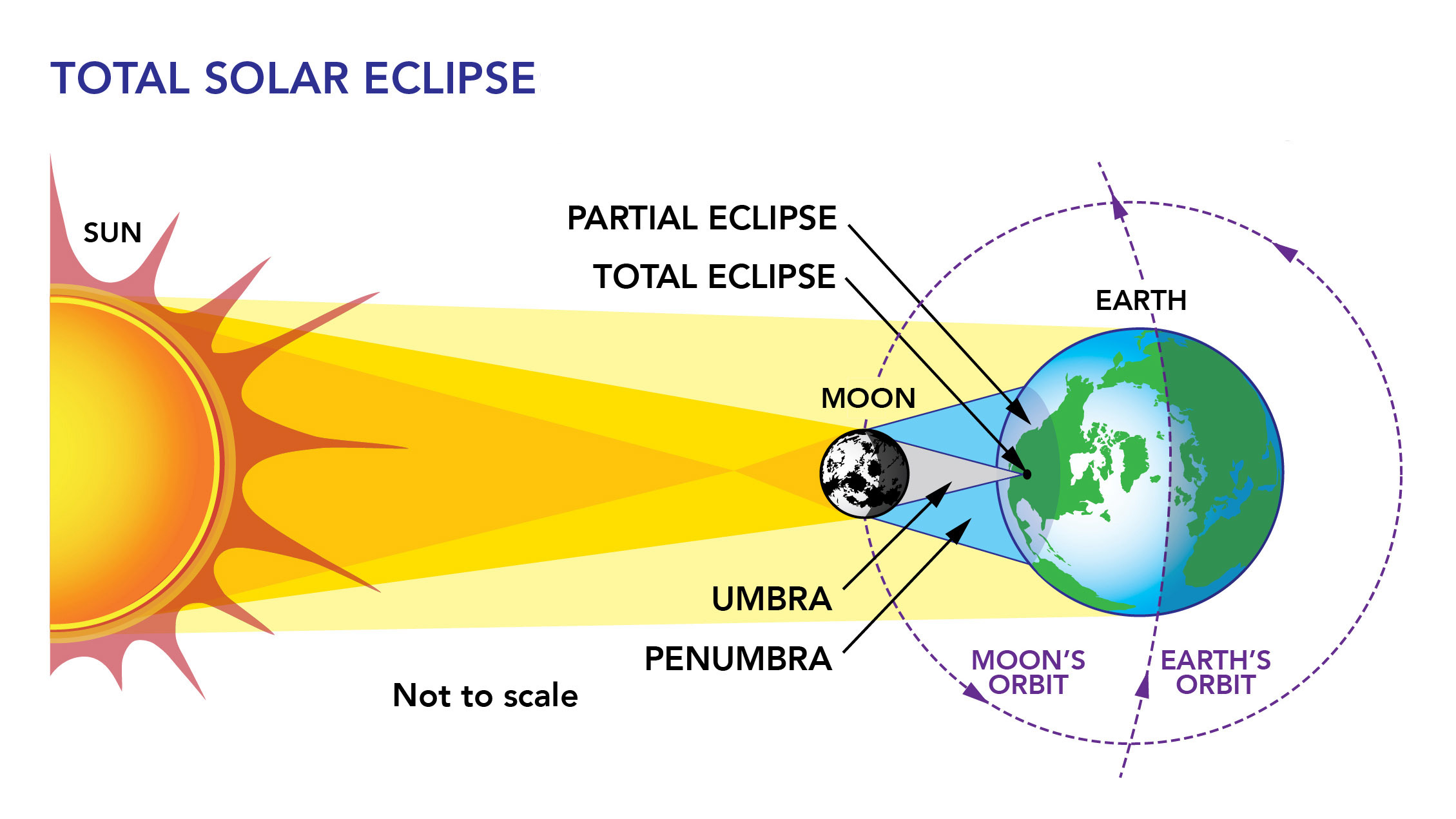
Solar eclipses are remarkable astronomical phenomena that captivate millions worldwide. They occur when the Moon passes between the Earth and the Sun, blocking our view of the Sun either partially or fully. Understanding solar eclipses is not only essential for enthusiasts of astronomy but also vital for cultural, scientific, and environmental discussions. With an uptick in global interest surrounding these events, awareness of their occurrences and significance is more relevant than ever.
Recent and Upcoming Solar Eclipses
On April 20, 2023, a hybrid solar eclipse—the first of its kind in over six years—occurred, creating a spectacle visible across parts of Asia, Australia, and the Pacific. This event was especially significant because hybrid solar eclipses are rare and offer viewers a unique experience as visibility shifts from total to annular during the eclipse. As we move through 2023, skywatchers are anticipating another notable occurrence: a total solar eclipse slated for August 12, 2026, which will cast its shadow across regions in the Arctic, Greenland, Iceland, and Spain.
The Science Behind Solar Eclipses
Scientifically, solar eclipses provide valuable opportunities to study the Sun’s corona, which is usually obscured by the Sun’s bright light. During a total solar eclipse, when the Sun is completely obscured, scientists can gather data about the corona’s temperature and density—information that is critical in understanding solar dynamics and space weather impacts on Earth. Furthermore, eclipses also offer insights into gravitational waves and the universe’s structure, continuing to enhance our understanding of astrophysics.
Cultural Significance
Throughout history, solar eclipses have been shrouded in myths and cultural significance. Various civilisations have interpreted these events in spiritual or even ominous lights, believing them to be omens or signs from gods. Today, however, eclipses are celebrated through festivals and gatherings, uniting people in their wonder and curiosity about nature’s phenomena.
Conclusion
Solar eclipses are more than just a stunning visual experience; they are milestones in our scientific exploration and cultural heritage. As we look forward to upcoming events, the interest in understanding these phenomena continues to grow, uniting scientists, historians, and the general public. By staying informed and appreciating their complexities, we not only engage with our celestial surroundings but also foster a greater sense of community and inquiry into the natural world.