Introduction
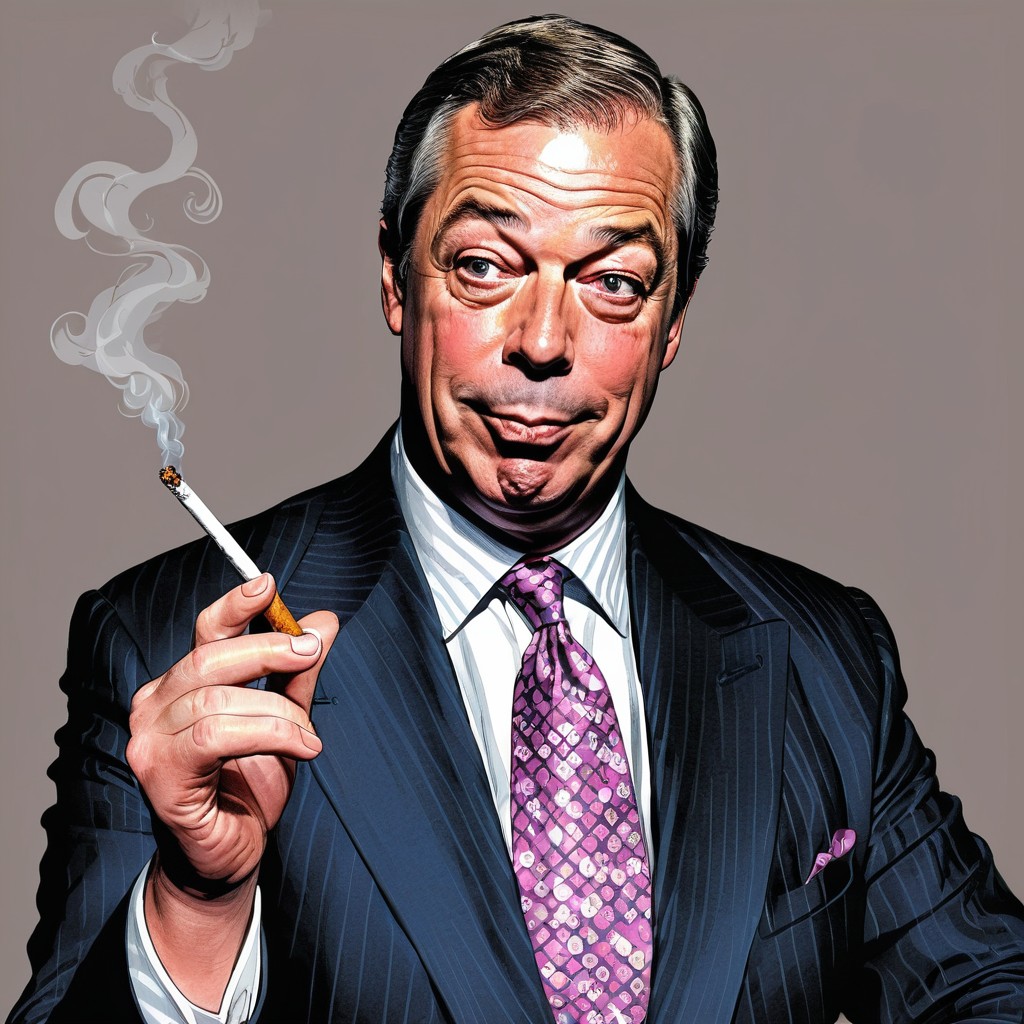
Nigel Farage, a prominent British politician and leader of the Brexit Party, has been a controversial figure in UK politics for over two decades. His role in advocating for the UK’s departure from the European Union has indelibly shaped the nation’s political landscape. As political sentiments shift and new elections approach, Farage’s contributions and strategies remain a topic of interest and discussion.
Recent Developments
In recent weeks, Farage has made headlines with his remarks concerning the economic implications of Brexit, as this year marks a significant period for the UK’s independent trade agreements. He strongly argues that the transitions from EU regulations to self-imposed standards could pave the way for greater economic freedom. With the Labour and Conservative parties gearing up for upcoming elections, Farage has reignited debates about sovereignty and immigration, placing himself firmly in the middle of the dialogue surrounding national identity.
In September 2023, he launched a campaign aimed at rallying support for what he describes as ‘real Brexit’, critiquing government policies deemed insufficiently robust in delivering full independence from EU constraints. The campaign has gained traction, especially among constituencies that feel overlooked by traditional party politics. He has called upon supporters to prepare for potential electoral alliances that could divert voter attention from established parties.
Impact on Political Landscape
Farage’s outspoken nature and media presence have made him both a revered and divisive figure. His strategy of capitalising on public sentiment around issues like immigration and economic self-determination has continuously captivated a portion of the electorate. According to recent surveys, his support base has fluctuated but remains steadfast in regions where Brexit sentiment is particularly strong.
Conclusion
The significance of Nigel Farage in contemporary UK politics cannot be overstated. As the nation navigates the complexities of its post-Brexit identity, Farage’s influence is likely to be pivotal in shaping public discourse. With elections on the horizon and various political factions vying for support, how Farage positions himself and his agendas will undoubtedly impact the broader political scenario. Observers predict that his return may redefine voter alignment, posing challenges to incumbent political parties and raising questions about the future direction of UK political ideology.