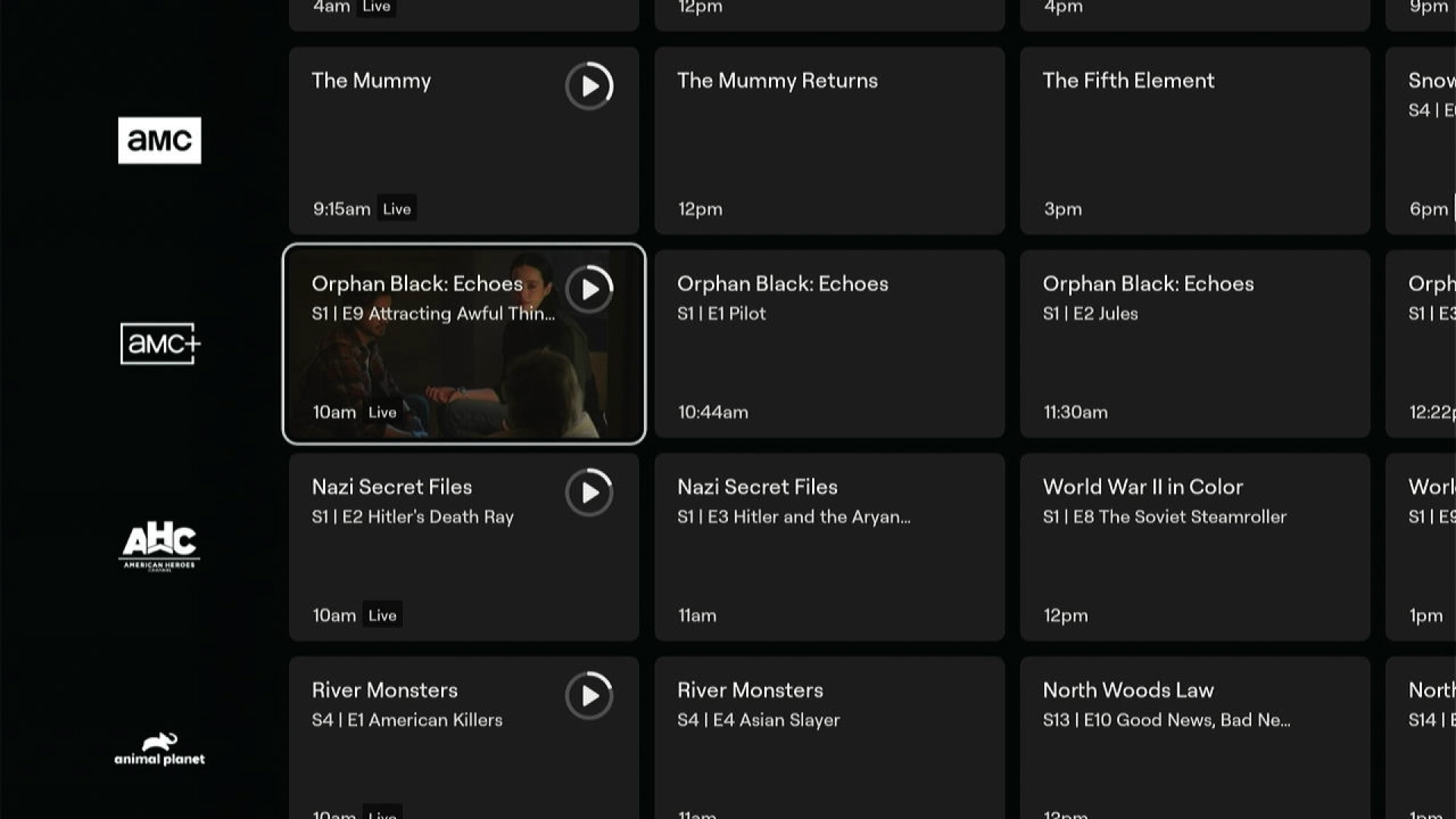
Introduction to TV Guides
The importance of TV guides in the modern media landscape cannot be understated. As audiences navigate an ever-expanding range of television content, the role of a TV guide has evolved from a simple listing of shows to a sophisticated platform that enhances viewer experience. With the rise of streaming services and on-demand content, understanding how these guides operate is more relevant than ever.
Changes in Television Consumption
In 2023, the way people consume television is undergoing significant changes. Traditional cable subscriptions are declining, while the popularity of streaming platforms like Netflix, Disney+, and Amazon Prime Video continues to soar. According to a recent survey by Ofcom, approximately 40% of UK households have cancelled their traditional TV subscriptions in favour of streaming solutions. This shift is reshaping the landscape for TV guides, as viewers now require more robust, integrated solutions that can keep them informed about content across multiple platforms.
Innovations in TV Guide Technology
As a result of these changes, technology companies have been innovating to meet the needs of viewers. Several TV guide services have started to incorporate advanced features such as personalised recommendations using artificial intelligence, real-time updates, and seamless browsing across various platforms. Services like TV Time and JustWatch allow users to track what they’re watching, discover new content, and even get notifications about their favourite shows. In addition, many smart TVs now come with enhanced built-in guides that allow for easy navigation across not only cable channels but also all available streaming apps.
The Future of TV Guides
As we look ahead, the future of TV guides appears to be aligned with further digitalisation and integration. There is a growing demand for universal guides that compile content from cable, satellite, and streaming services. Industry analysts predict that we may see more partnerships between traditional networks and streaming platforms to offer comprehensive guide services that cater to diverse viewing habits. Furthermore, with the continued integration of voice-activated technology and smart home devices, users may interact with their TV guides in entirely new ways.
Conclusion
In conclusion, the evolution of TV guides reflects broader shifts in the media and entertainment industries. As viewers become more discerning about how they consume content, the necessity for accurate, intuitive, and integrated TV guide services will only grow. For consumers, understanding these changes will not only enhance their viewing experience but also ensure they remain informed in a rapidly changing media landscape.