Introduction
Formula One (F1) racing is one of the most prestigious and thrilling forms of motorsport globally, captivating millions of fans with its speed, technology, and competitive spirit. The relevance of F1 extends beyond just a sporting event; it drives technological advancement, influences automotive engineering, and plays a significant cultural role. As the 2023 season unfolds, critical changes and developments promise to shape the future of F1 racing.
Recent Highlights in F1
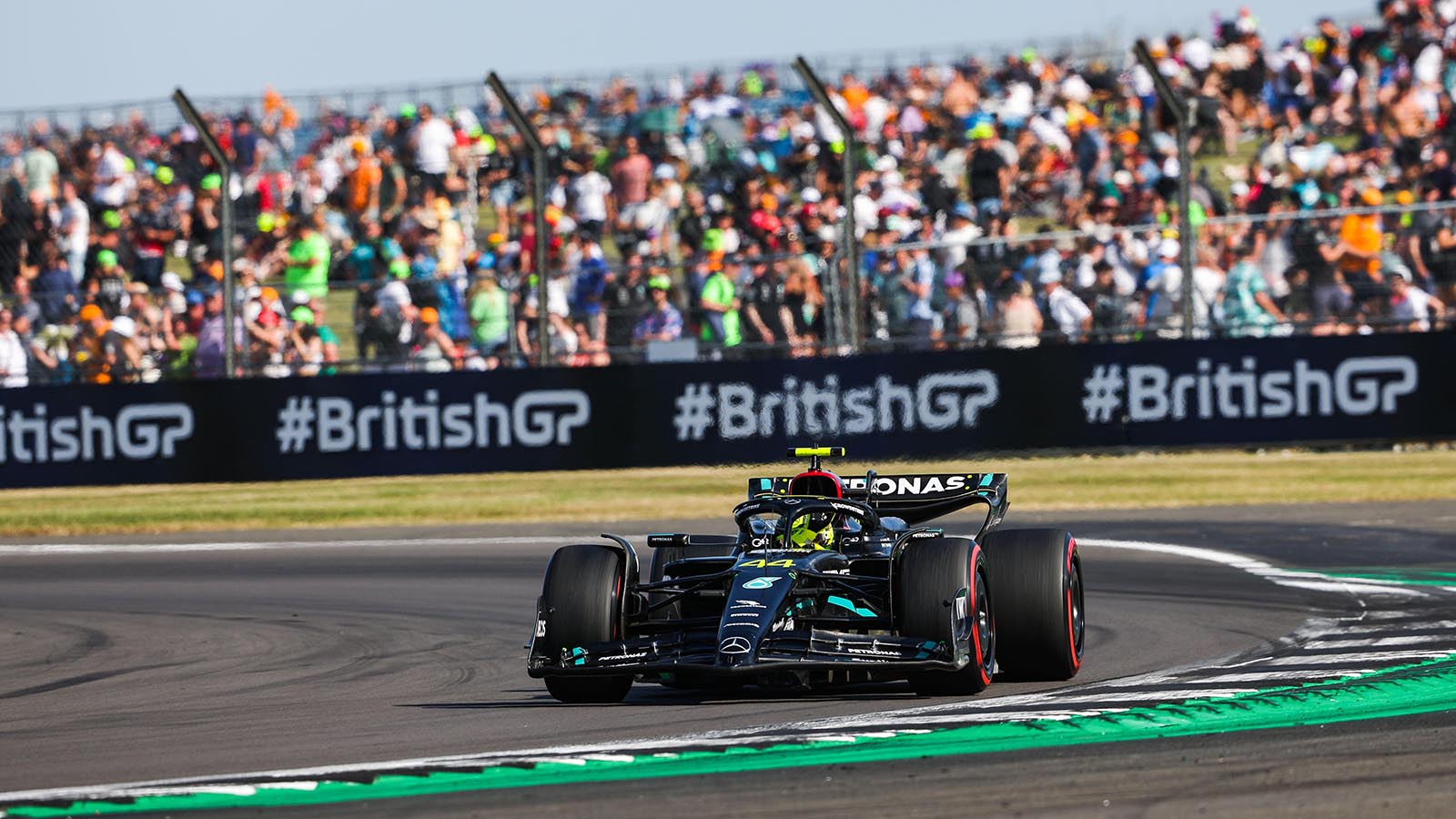
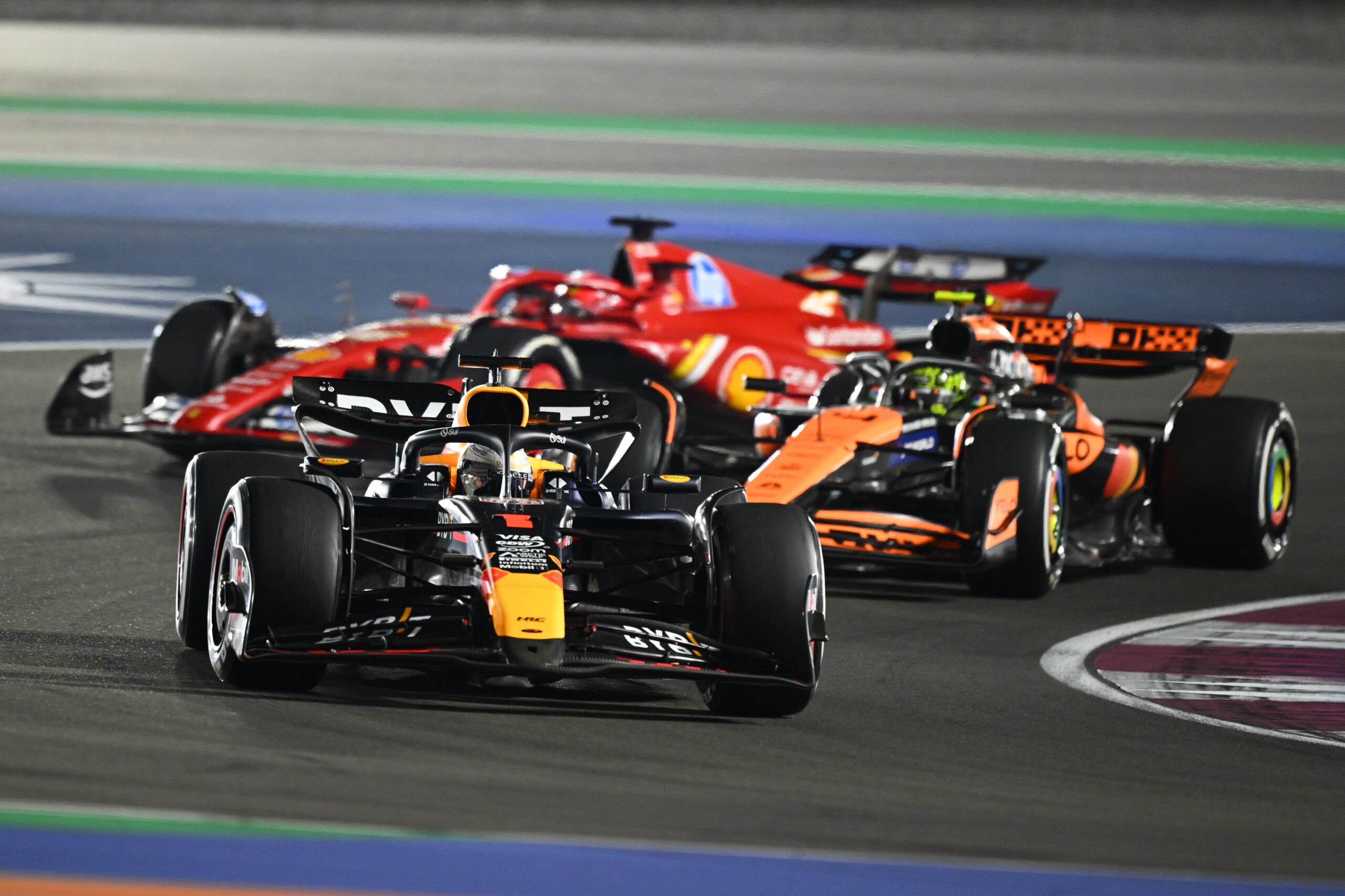
The 2023 F1 season has been marked by exciting races, including a nail-biting competition at the Monaco Grand Prix, where Lewis Hamilton of Mercedes secured a dramatic victory. Meanwhile, rising stars like Charles Leclerc and Lando Norris have showcased their prowess, pushing established drivers and teams to their limits. Additionally, the introduction of new regulations aimed at improving race competitiveness has generated significant intrigue and discussion among fans and experts alike.
Technological Innovations
One of the most crucial aspects of F1 is its commitment to innovation. The 2023 season has seen teams investing in sustainable technologies, aligning the sport with global efforts towards climate change and environmental responsibility. This includes the testing of biofuels, hybrid engines, and advanced aerodynamics aimed at reducing carbon footprints while maintaining performance. Notably, the Formula One Management (FOM) has set a target to achieve a net-zero carbon footprint by 2030, setting an ambitious agenda for the motorsport’s future.
Global Expansion and Fan Engagement
Another significant trend in F1 is its global expansion. New races, including the addition of the Las Vegas Grand Prix, represent a strategic effort to engage a younger audience and increase fan engagement worldwide. The sport is also leveraging technology to deepen its connection with viewers through interactive platforms, virtual reality experiences, and enhanced data analytics for real-time race insights, making the sport more accessible and entertaining than ever.
Conclusion
The future of F1 racing looks promising with ongoing advancements in technology, increased global reach, and commitment to sustainability. As new talents emerge and established drivers continue to compete fiercely, the sport’s allure is set to expand. For fans and stakeholders alike, the evolving landscape of F1 presents exciting opportunities and challenges that will undoubtedly shape the next era of motorsport, maintaining its status at the pinnacle of global racing.