Introduction
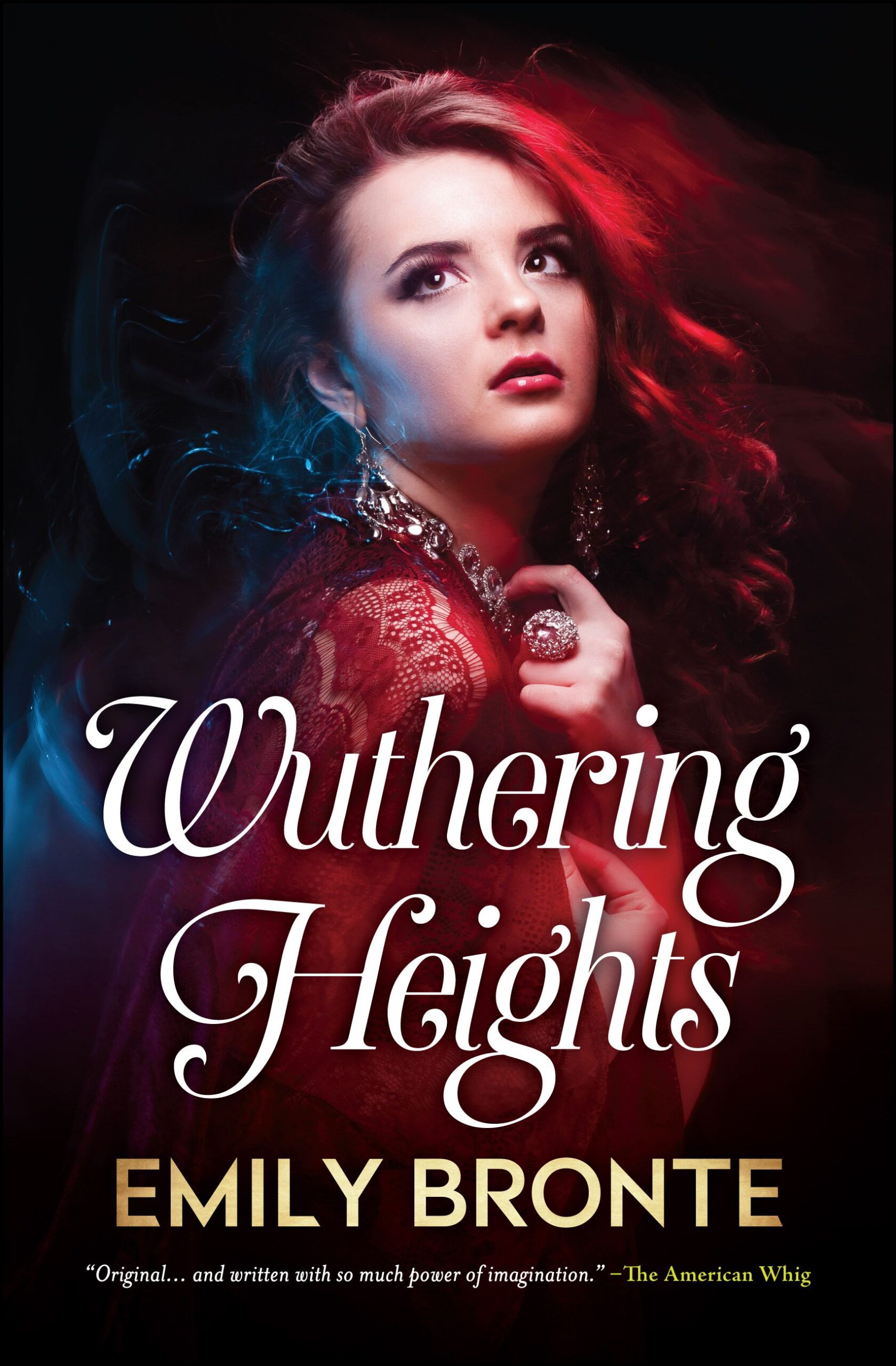
Wuthering Heights, published in 1847, is a landmark in English literature, authored by Emily Brontë under the pseudonym Ellis Bell. This novel has captivated readers for generations due to its complex characters, passionate themes, and innovative structure. It reflects the tumultuous emotional landscape of love, revenge, and the struggles of social class, making it a permanent fixture in literary discourse and a topic of ongoing analysis and critique.
Plot Overview
The narrative oscillates between the moors of Yorkshire and the inhospitable surroundings of Wuthering Heights and Thrushcross Grange. Central to the novel are the characters of Heathcliff and Catherine Earnshaw, whose tumultuous relationship sets the stage for a tale steeped in obsession and vengeance. The story details Heathcliff’s relentless pursuit of Catherine’s love and how societal factors contribute to their tragic fate. As readers navigate through the shifting perspectives and nonlinear timeline, Brontë’s narrative style emerges as pioneering, allowing for a deep exploration of the characters’ motivations and psyches.
Recent Adaptations and Cultural Impact
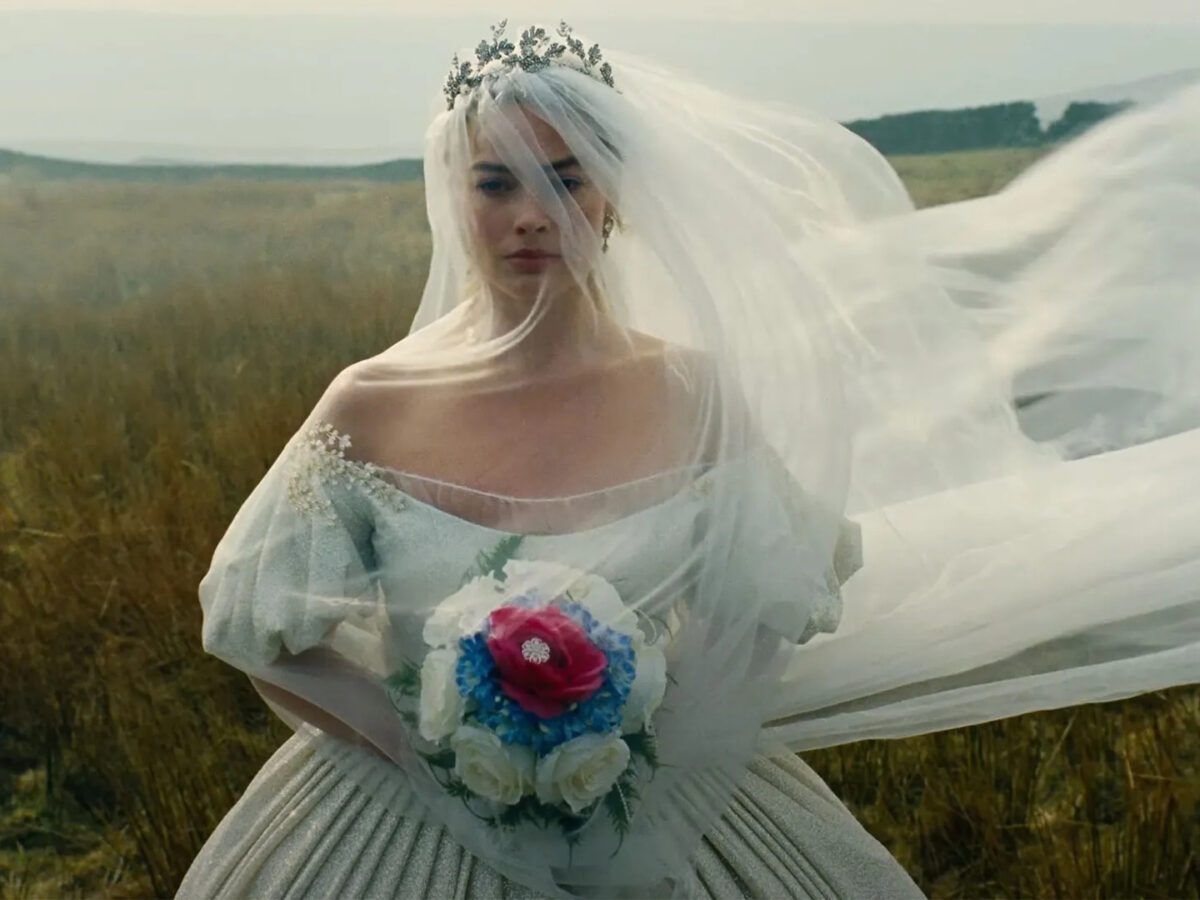
In recent years, the continued interest in Wuthering Heights has been reflected through various adaptations in film, theatre, and other media. Notably, the 2011 film adaptation and recent stage productions have attempted to breathe new life into the classic story, making it accessible to younger audiences. Academic discourse surrounding the novel has also gained momentum, with feminist scholars highlighting the portrayal of gender dynamics and exploring themes of nature versus nurture within the context of the 19th century.
Conclusion
The significance of Wuthering Heights extends beyond its intricate narrative and profound themes. It serves as a catalyst for discussions on the nature of love and vengeance, the impacts of social class, and individual agency. As we witness modern interpretations and adaptations, it is clear that Emily Brontë’s masterpiece remains relevant today, inviting new generations to engage with its enduring complexities. The novel’s ability to provoke reflection on human emotions and relationships underscores its status as a timeless classic in literary history.