Introduction
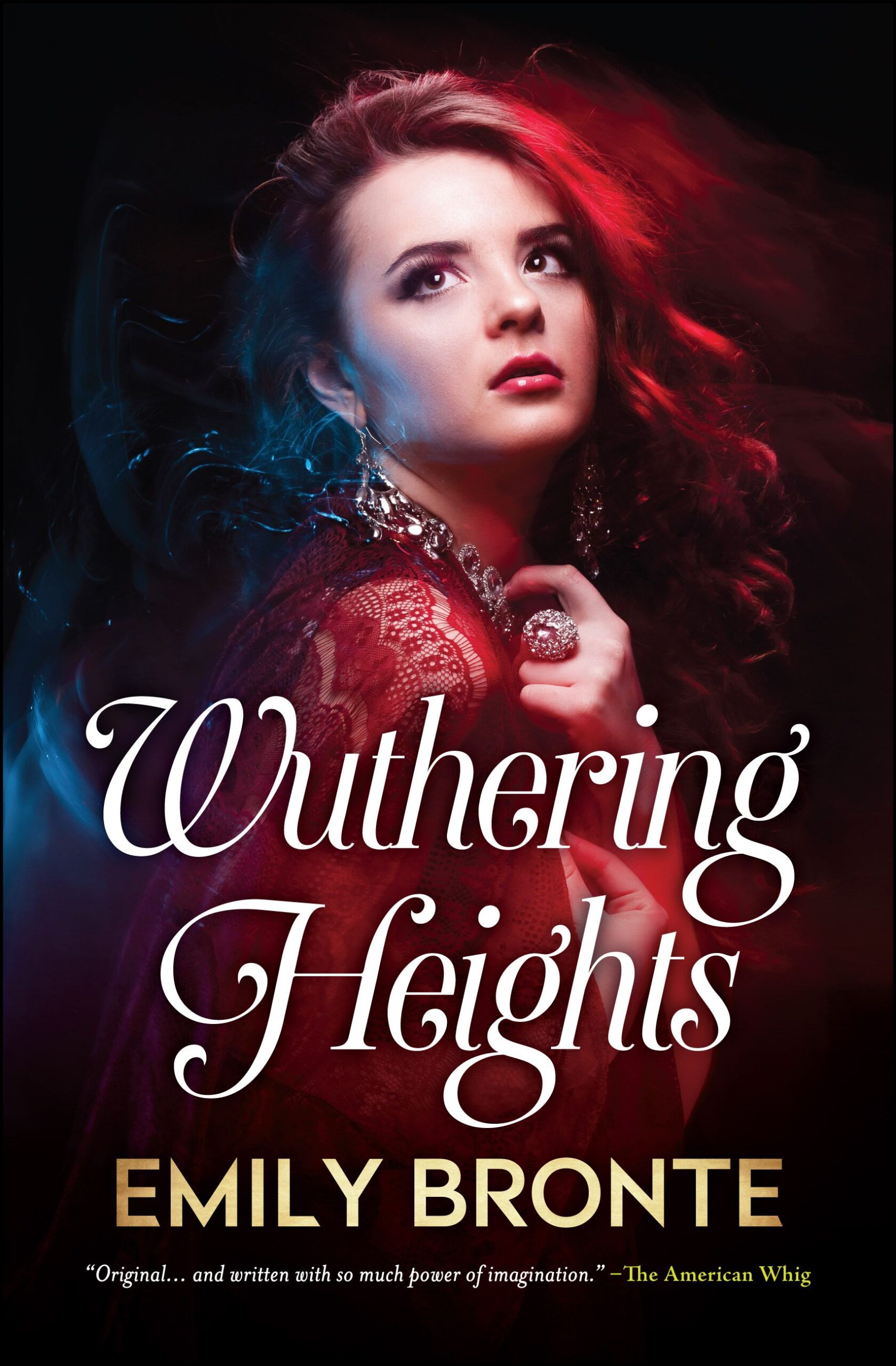
Wuthering Heights, the only novel by Emily Brontë, published in 1847, has retained its status as a cornerstone of English literature. Its exploration of complex themes such as love, revenge, and the supernatural continue to resonate with readers and scholars alike. As we celebrate its 175th anniversary, the relevance of this Gothic masterpiece in contemporary society provides insightful reflections on human emotions and relationships.
Plot Summary and Themes
The narrative revolves around the tumultuous relationship between Catherine Earnshaw and Heathcliff, exploring the effects of social class and the dark nature of obsession. Set against the backdrop of the Yorkshire moors, the novel’s setting plays a crucial role in mirroring the characters’ inner turmoil and wild passions. Brontë’s intricate characterisations and narrative structure have sparked endless interpretation, making it a subject of critical analysis in literature studies.
Current Adaptations and Cultural Impact
In recent years, Wuthering Heights has seen numerous adaptations, from films to stage productions, highlighting its enduring appeal. The latest adaptation by director Ralph Fiennes, released in late 2022, has garnered attention for its fresh take while remaining faithful to the original text. Public interest in Emily Brontë and her work has surged, evidenced by the increase in academic courses focusing on feminism in literature and its implications in Wuthering Heights.
Conclusion
Wuthering Heights remains not only a critical part of the literary canon but also a meaningful reflection of societal issues that persist today, such as gender dynamics and class struggle. As universities continue to offer specialised courses on the novel and audiences turn towards adaptations, it is clear that Brontë’s work holds a timeless appeal. With its potent themes and complex characters, Wuthering Heights will undoubtedly continue to inspire and provoke thought for generations to come.