Introduction
The Wuthering Heights movie, based on Emily Brontë’s timeless novel, remains a significant aspect of cinematic history. Since its publication in 1847, the story of Heathcliff and Cathy has captivated audiences with its themes of passion, revenge, and the harsh Yorkshire landscape. The various adaptations over the decades highlight the story’s growing relevance in film culture, making it a subject worthy of examination.
Recent Adaptations
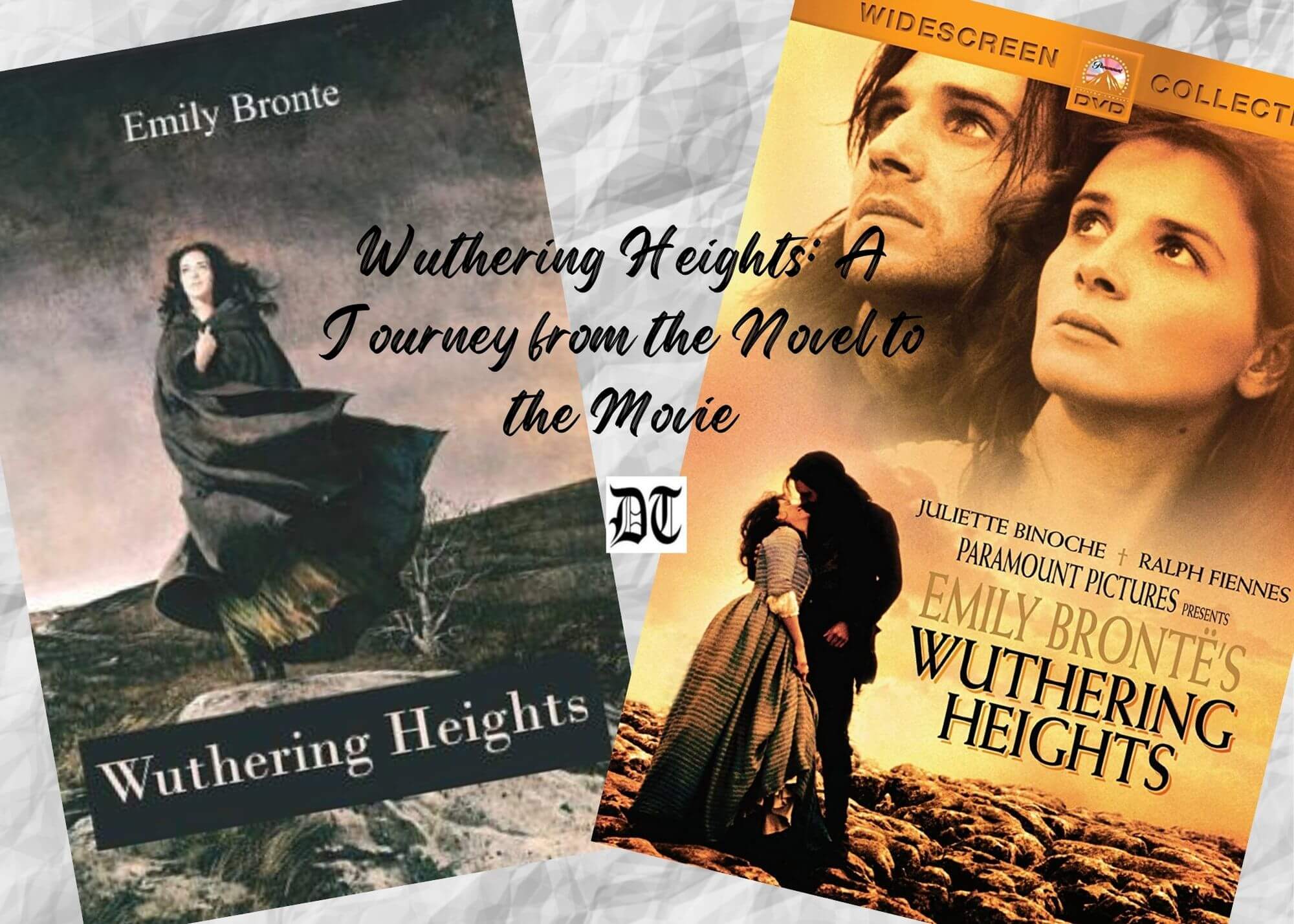
As of 2023, several adaptations have consolidated the story’s prestige. The most recognized versions came to life in 1939 and 1992, starring iconic actors like Laurence Olivier and Ralph Fiennes, respectively. Each adaptation brings its unique interpretation while retaining the core elements of Brontë’s narrative. Recently, a new adaptation was announced to celebrate the 175th anniversary of the novel, generating excitement among fans and critics alike. This modern rendition promises to explore the characters’ psyches deeply, reflecting contemporary issues while honouring the original text.
Significance in Film
The Wuthering Heights movie is essential not only for its riveting storyline but also for its portrayal of complex emotions and relationships. Filmmakers have utilized various cinematic techniques across adaptations, enhancing the story’s Gothic elements and the Northern England setting’s eerie beauty. Cinematography choices, such as desaturated colour palettes and dramatic landscapes, have emphasised the tumultuous relationship between the characters. The music scores also play a pivotal role in capturing the emotional intensity of the story, contributing to its haunting atmosphere.
Cultural Impact
The adaptations of Wuthering Heights have inspired countless references in popular culture, from music to literature. Songs by leading artists, such as Kate Bush’s iconic ‘Wuthering Heights,’ showcase how the narrative has transcended its literary origin to influence various forms of art. Moreover, the representation of love and revenge in the film adaptations has shaped public perceptions around toxic relationships, allowing for deeper discussions about the nature of love and loss.
Conclusion
The Wuthering Heights movie continues to resonate with modern audiences, reflecting the timeless nature of Brontë’s themes even in contemporary adaptations. As new filmmakers explore the depths of this literary classic, viewers can expect refreshing takes while appreciating the rich history of its interpretations. For both fans of classic literature and new audiences, the ongoing fascination with this story ensures its place in the cinematic world and invites ongoing dialogue about its characters and themes.