Introduction
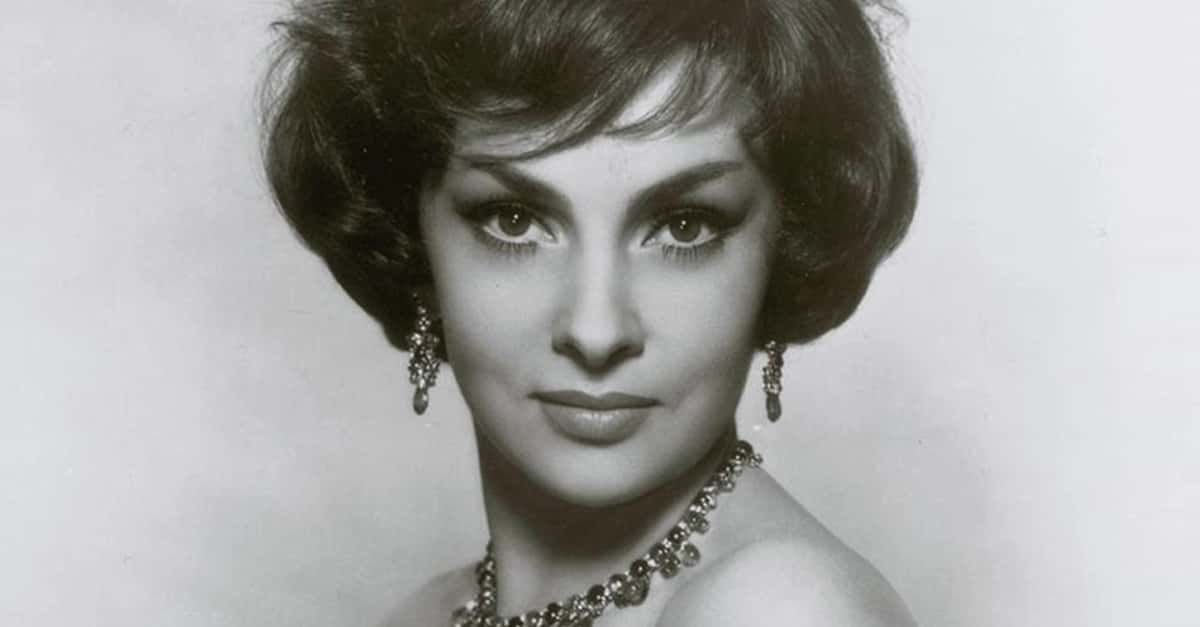
Gina Lollobrigida, one of the most celebrated actresses of the 20th century, passed away earlier this year, leaving behind a legacy that has shaped both the film industry and Italian culture. Renowned for her beauty and talent, Lollobrigida captivated audiences from the 1950s onwards, becoming not only a star but also a symbol of a vibrant cinematic era. Her contributions extend beyond acting, influencing art, fashion, and women’s representation in cinema.
Career Highlights
Lollobrigida’s career took off in the post-war period, with her breakthrough role in “The World’s Most Beautiful Woman” (1955), which propelled her to international fame. Following this, she starred in numerous acclaimed films such as “Buona Sera, Mrs. Campbell” (1968) and “The Hunchback of Notre Dame” (1956), showcasing her versatility as an actress. Lollobrigida was frequently dubbed a ‘sex symbol’ of her time, but her roles often defied the traditional confines of such labels, allowing her to emerge as a nuanced performer.
Influence and Activism
Beyond her film career, Lollobrigida was known for her activism and humanitarian work, particularly in promoting women’s rights and advocating for social change. Her dedication to these causes earned her recognition and respect in various spheres, further solidifying her legacy as not just a diva of the screen, but also as an influential figure in society. She even ventured into photography and sculpture, marking her versatility as an artist.
Conclusion
Gina Lollobrigida’s passing marks the end of an era in cinema, yet her influence continues to reverberate in modern culture. As a trailblazer who paved the way for future generations of actresses, her iconic status in film history remains firmly intact. The film industry loses a genuine icon, but her contributions will inspire aspiring actors and actresses for years to come. As we celebrate her enduring legacy, it serves as a reminder of the powerful impact of art and the role of strong women in shaping cultural narratives.