Introduction: The Charm of Penguins
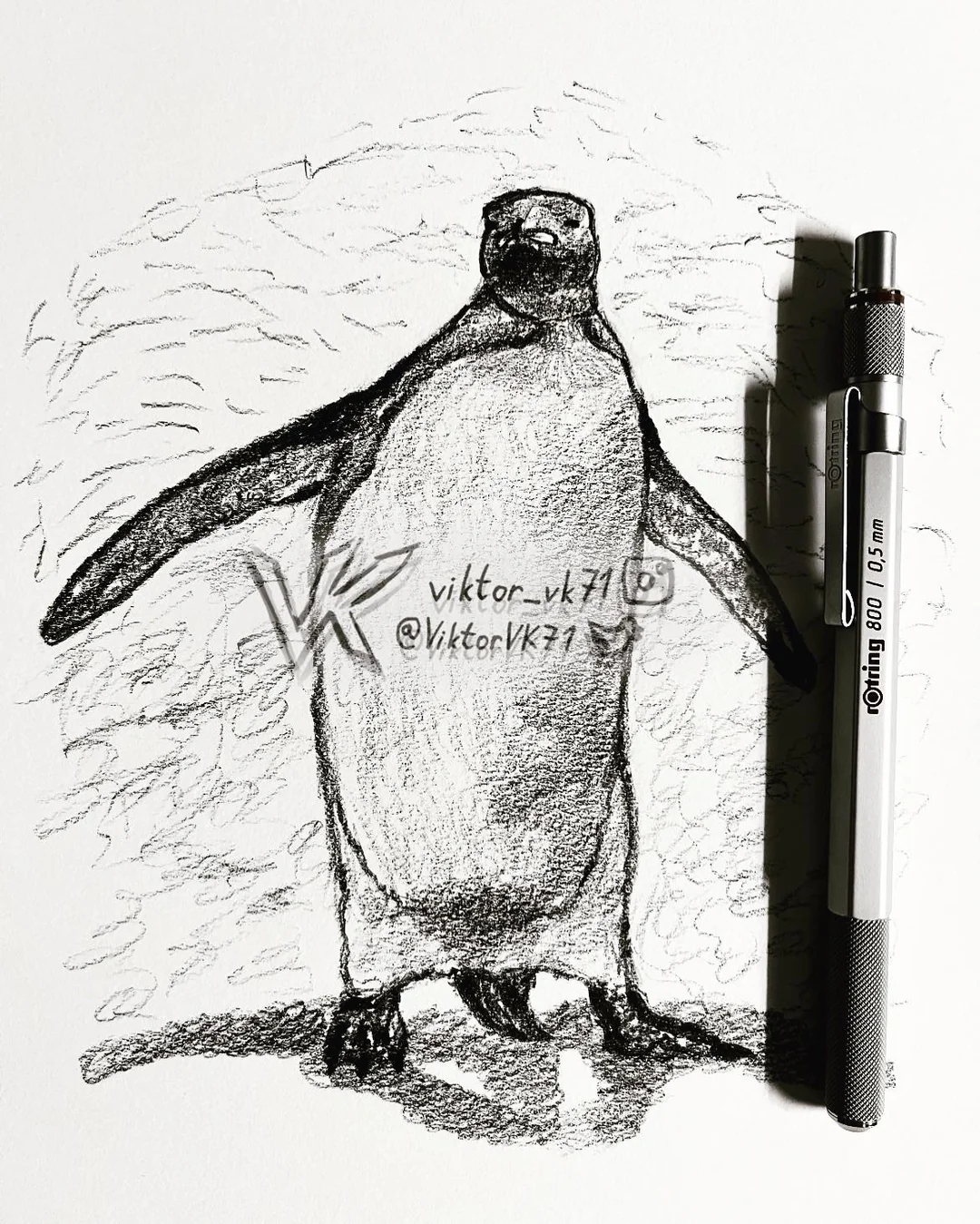
Penguins have captivated the hearts of people worldwide with their unique waddles and charming demeanour. These remarkable flightless birds are predominantly found in the Southern Hemisphere, especially in Antarctica. Their significance extends beyond their adorable appearance; they play a vital role in the marine ecosystem and are key indicators of environmental health.
Penguin Species and Habitat
There are 18 recognised species of penguins, ranging from the towering Emperor penguin to the tiny Little Blue penguin. These birds are adapted to cold climates, with thick layers of blubber and specialised feathers that provide insulation. Recent studies show that climate change is affecting their habitats, resulting in shifting ice patterns and food scarcity, which could endanger populations.
Recent Developments and Conservation Efforts
In recent years, various conservation organisations have ramped up efforts to protect penguin habitats. The Antarctic Peninsula, where many penguin species breed, is warming faster than the global average. As reported by the British Antarctic Survey, some populations of Adélie and Emperor penguins are on the decline due to melting ice and reduced krill stocks. Conservationists are actively pushing for the establishment of Marine Protected Areas (MPAs) to safeguard these vital ecosystems.
Conclusion: The Future of Penguins
The future of penguins depends significantly on global efforts to combat climate change and preserve their habitats. As consumers, individuals can contribute by supporting sustainable fishing practices and reducing carbon footprints. Educating future generations about the importance of penguins and their role in the ecosystem is crucial. Protecting these beautiful birds ensures not only their survival but also the health of the oceanic environments they inhabit. With continued global awareness and action, there’s hope for penguins to thrive for years to come.