Introduction
The Elizabeth Line, also known as Crossrail, is a significant development in London’s transport infrastructure. Officially opened on May 24, 2022, this new railway line connects over 60 miles of existing and new routes, fundamentally changing the way Londoners and visitors travel across the city. With its aim to improve connectivity and cut travel times between east and west London, the Elizabeth Line is set to become an essential part of London’s transport ecosystem.
Key Features of the Elizabeth Line
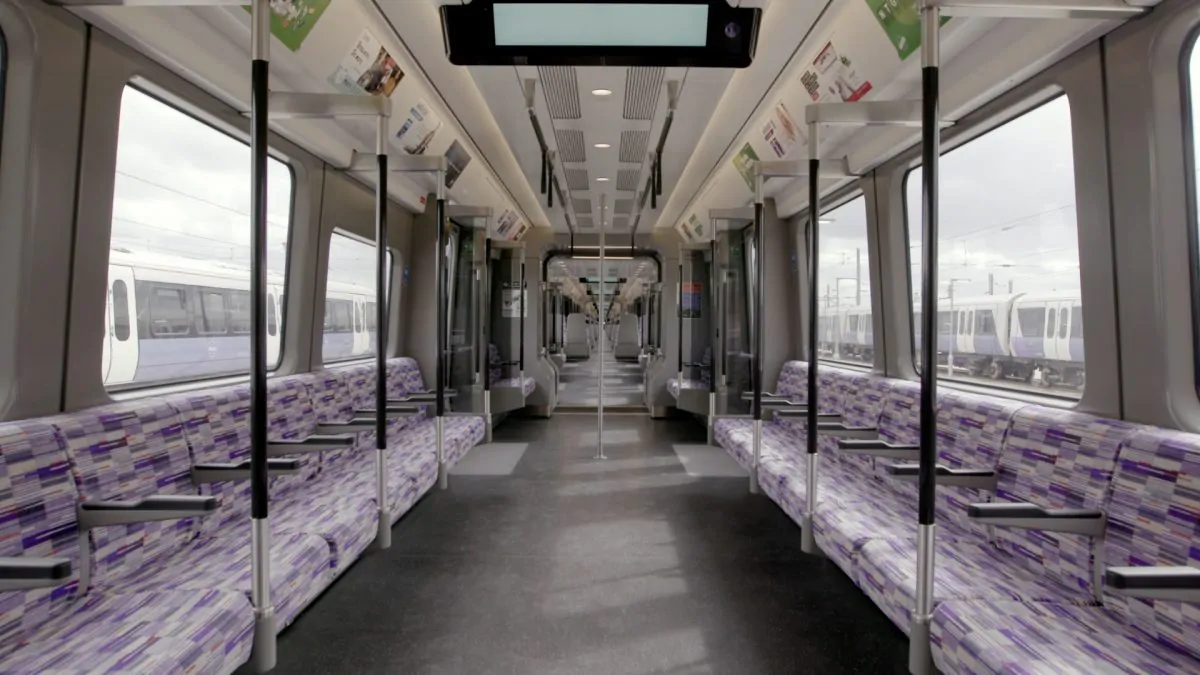
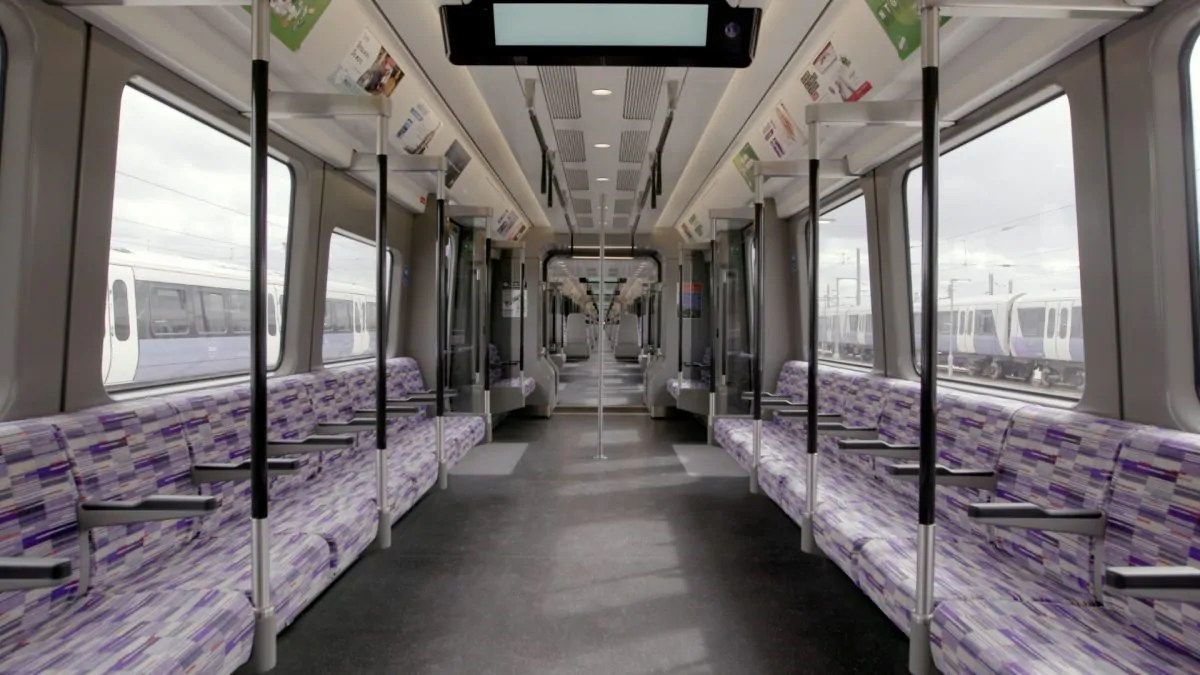
The Elizabeth Line features a total of 41 stations, stretching from London Paddington in the west to Abbey Wood in the east. This state-of-the-art line incorporates fully accessible stations and trains equipped with facilities catering to a variety of passenger needs. The introduction of up to 24 trains per hour during peak times greatly improves passenger capacity compared to previous transport options.
It also integrates smoothly with the existing London Underground, allowing for seamless transitions between various public transport services. The most notable aspect is the reduction in journey times; for instance, a trip from Paddington to Canary Wharf is slashed from 37 to just 17 minutes.
Economic and Social Impact
The Elizabeth Line is expected to contribute significantly to London’s economy. The project has created thousands of jobs throughout its construction, which spanned over a decade, and continues to provide employment opportunities now that it is operational. Moreover, the increased efficiency and capacity of the rail line are predicted to stimulate local economies along its route, benefitting businesses and communities alike.
Transport for London (TfL) estimates that it will add around £42 billion to the UK economy over the next decade, providing necessary improvements in the transport network as London continues to grow rapidly in population and economic activity.
Future Developments
Looking ahead, the Elizabeth Line is expected to undergo further developments, including potential extensions and enhancements to its services. TfL has indicated plans for increased frequency of service and the possibility of additional stations in the future, which could further improve accessibility and convenience for commuters.
Conclusion
In conclusion, the Elizabeth Line stands as a transformational project for London’s infrastructure, representing a landmark achievement in the city’s transport history. By enhancing connectivity, reducing journey times, and providing substantial economic benefits, the line is not only a boon for current users but also sets a positive precedent for future transport initiatives in one of the world’s busiest cities. As its benefits ripple through the community, both economically and socially, the Elizabeth Line is poised to play a crucial role in driving London towards a more interconnected and prosperous future.