Introduction
The Elizabeth Line, opened in May 2022, is a key element of London’s transport infrastructure, significantly enhancing connectivity across the city and beyond. With its seamless integration into the existing rail network, the line provides an efficient travel option for millions of commuters and tourists alike. Understanding the importance of the Elizabeth Line is crucial for recognising how it shapes everyday transportation and urban development in London.
Key Features of the Elizabeth Line
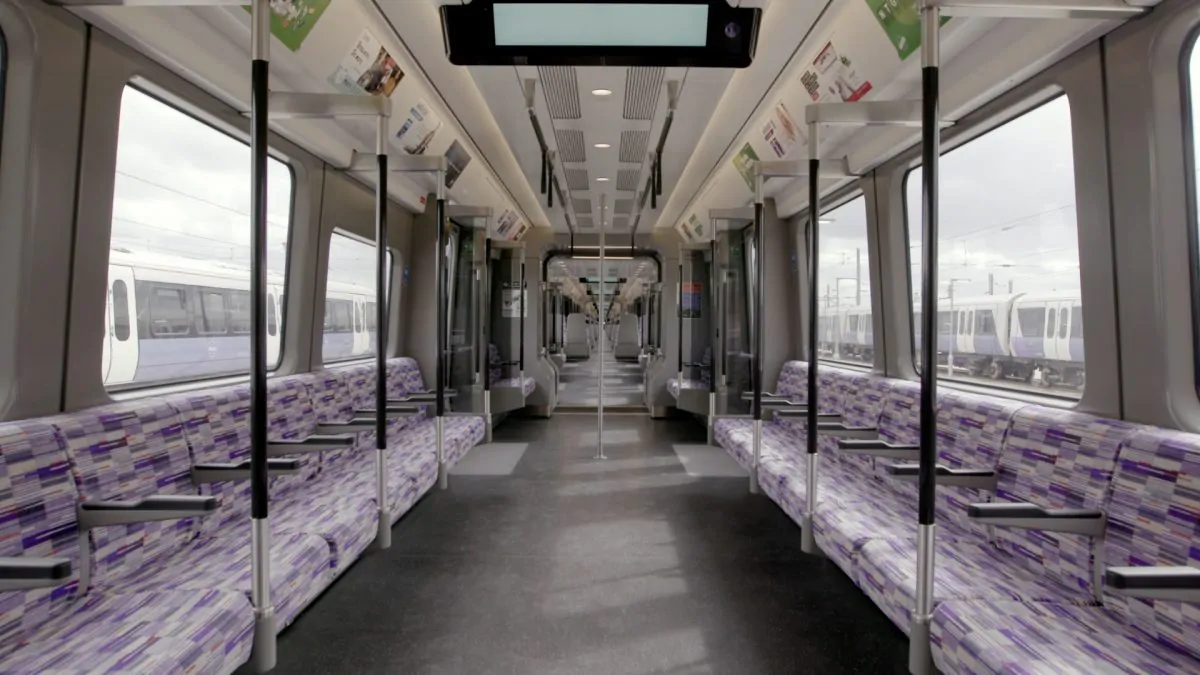
The Elizabeth Line spans 60 miles and connects central London with the outer regions, extending from Reading and Heathrow in the west to Shenfield and Abbey Wood in the east. It boasts ten new stations and upgrades to existing ones, providing a faster and more comfortable travel experience. The trains, capable of running at high speeds, reduce journey times significantly; for instance, the trip from Paddington to Abbey Wood now takes just 29 minutes, a journey that previously required multiple transfers.
Impact on Commuters and Local Economy
The introduction of the Elizabeth Line is expected to transport around 200 million passengers annually. By easing congestion on the Tube and increasing capacity across key routes, it offers a respite to the overburdened transport system of London. Moreover, the line is anticipated to bolster the local economy by enhancing access to employment opportunities, particularly in newly connected areas such as the Royal Docks and beyond.
Challenges and Future Developments
Despite its transformative impact, the Elizabeth Line has faced challenges, including delays and budget overruns during its construction. However, with its successful launch, there are ongoing discussions about further expansions and integrations into the existing transport framework. Future plans might include extending services to additional areas, enriching London’s transport landscape.
Conclusion
The Elizabeth Line represents a significant advancement in London’s transportation system. As it continues to serve as a vital link for commuters and contribute to economic growth, its long-term significance is clear. With predictions suggesting a strong increase in ridership as more people return to the office and explore the city, the effects of the Elizabeth Line will likely resonate throughout London for years to come. As the city adapts to post-pandemic realities, the continued success of the Elizabeth Line will be essential for sustainable urban mobility.