Introduction to Inflation
Inflation remains a critical economic issue influencing the purchasing power of consumers and the overall health of economies worldwide. In recent months, inflation rates have surged in many countries, making it an important topic for individuals and policymakers alike.
Understanding the Current Trends
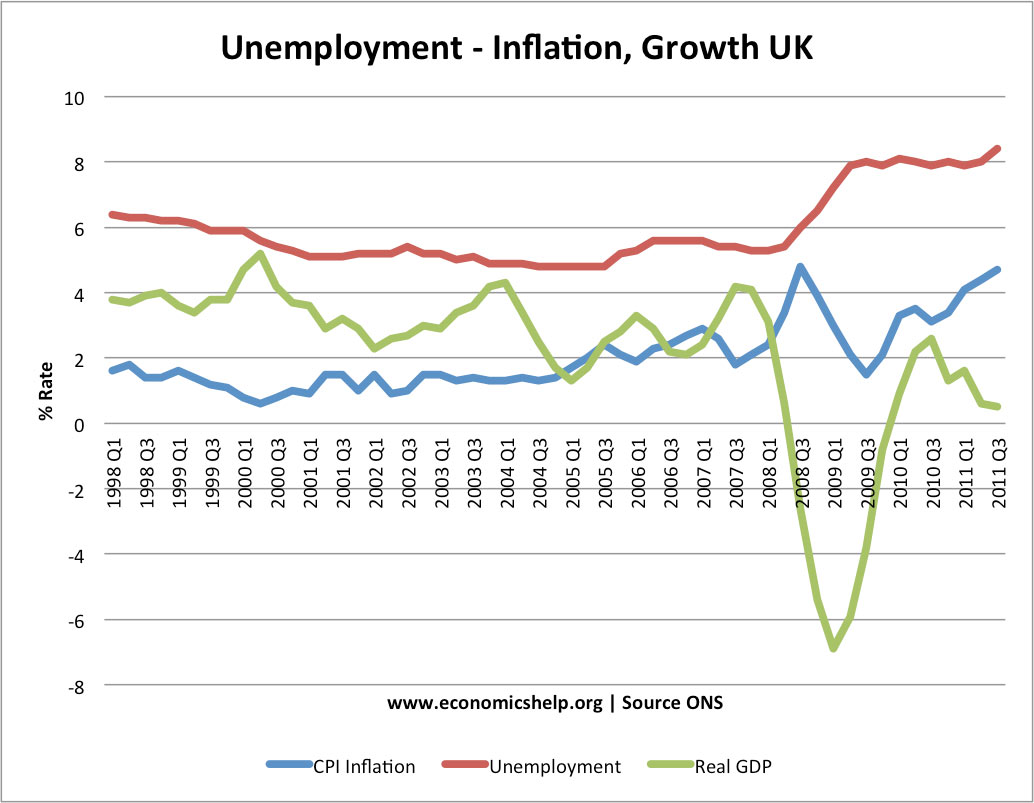
As of October 2023, inflation rates in the UK reached levels not seen in decades, driven primarily by sharp increases in energy and food prices. According to the Office for National Statistics (ONS), the Consumer Price Index (CPI) rose by 5.4% year-on-year, a significant rise from the previous year’s figure of 3.2%. This inflation surge is attributed to various factors including ongoing supply chain disruptions, the war in Ukraine, and rising cost pressures from labour and raw materials.
Impact on Households and Businesses
The consequences of inflation are felt most acutely by households, particularly those on fixed incomes. Higher prices reduce disposable income, leading to decreased consumer spending. Meanwhile, businesses struggle with rising production costs, which may lead to increased prices for consumers as companies pass on these costs. This inflationary cycle can create economic uncertainty, prompting shifts in consumer behaviour and investment strategies. The Bank of England has responded to rising inflation by indicating potential interest rate hikes, aiming to cool down economic activity.
Global Perspective
Globally, inflation is not isolated to the UK. Countries like the United States and members of the European Union are witnessing similar trends. In the US, the Federal Reserve has been actively raising interest rates to combat inflation that soared past 8% earlier this year. Such global developments highlight that inflation is a complex phenomenon driven by interlinked factors, such as government policy, geopolitical tensions, and market dynamics.
Conclusion and Future Implications
Looking ahead, the persistence of inflation is likely to dominate economic discussions in the near future. While central banks strive to control escalating prices, the trajectory of inflation remains uncertain. Economists warn of potential stagflation, where high inflation coincides with stagnant economic growth, adding layers to the challenges faced by governments and consumers alike. Readers should stay informed about financial strategies, as understanding inflation will be crucial for navigating the economic landscape in the coming months and years.