Introduction
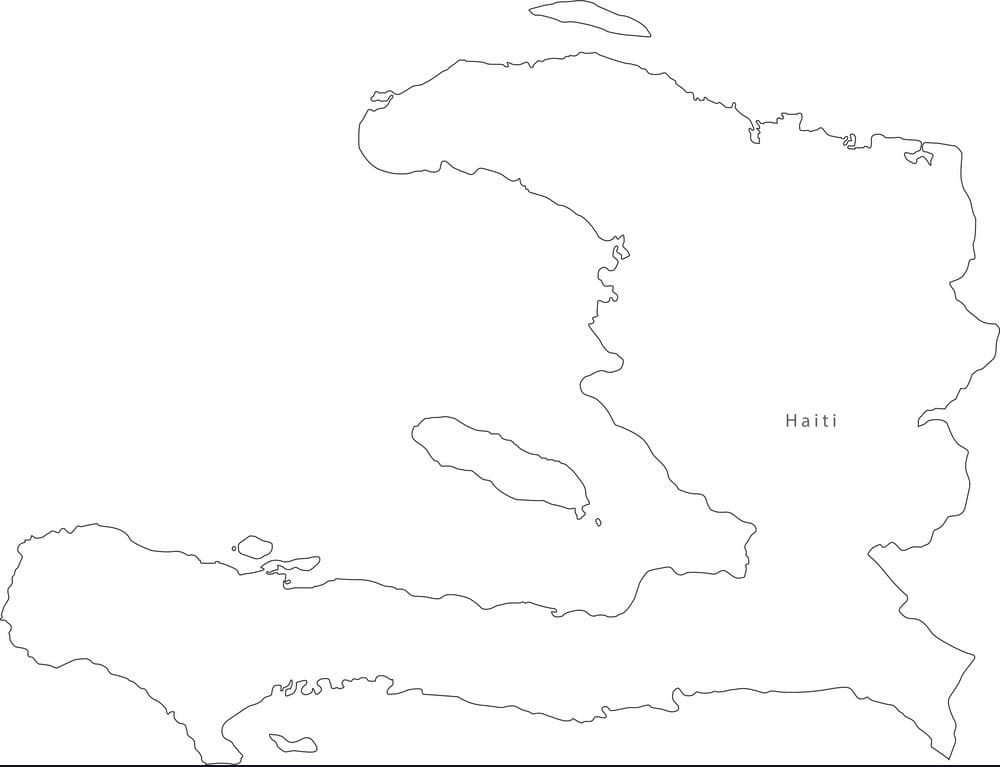
Haiti, a nation charactized by its rich culture and history, has been grappling with multiple crises that have profound implications for its people and stability. The ongoing political unrest, compounded by socioeconomic issues and natural disasters, highlights the resilience required to navigate these turbulent times. Understanding the current situation in Haiti is crucial not only for its citizens but also for international stakeholders involved in humanitarian efforts.
Political Crisis and Instability
In recent months, Haiti has faced intense political instability marked by widespread protests, a lack of a permanent government, and increasing gang violence. Following the assassination of former President Jovenel Moïse in July 2021, the transitional government has struggled to maintain control. As of late 2023, the absence of legislative elections has further exacerbated tensions, leading to calls for international intervention and support.
Humanitarian Challenges
The humanitarian situation in Haiti remains dire, with over half of the population, approximately 4.9 million people, in urgent need of assistance according to the United Nations. The combination of gang-related violence and the economic impact stemming from the COVID-19 pandemic has led to food insecurity and limited access to healthcare services. Despite international aid efforts, the level of need outstrips the resources available, leaving many vulnerable to crisis conditions.
International Response and Aid Efforts
International organisations and neighbouring countries have ramped up their response to the urgent situation in Haiti. The United Nations is planning to bolster its peacekeeping presence to assist the strained security situation. Furthermore, various NGOs are active in the region, focusing on providing essential services, addressing food shortages, and delivering medical aid. However, these efforts are often hampered by on-the-ground violence and a lack of infrastructure.
Conclusion
The state of affairs in Haiti continues to evolve, with prospects for peace and stability being precarious at best. The necessity for cohesive political leadership, alongside robust international support, is more critical than ever. As stakeholders work towards solutions, the resilience of the Haitian people remains a beacon of hope amid the overwhelming challenges. Observers and policymakers alike must pay close attention to how the situation unfolds, as it not only affects Haiti but also has wider implications for regional stability and international humanitarian norms.