Introduction
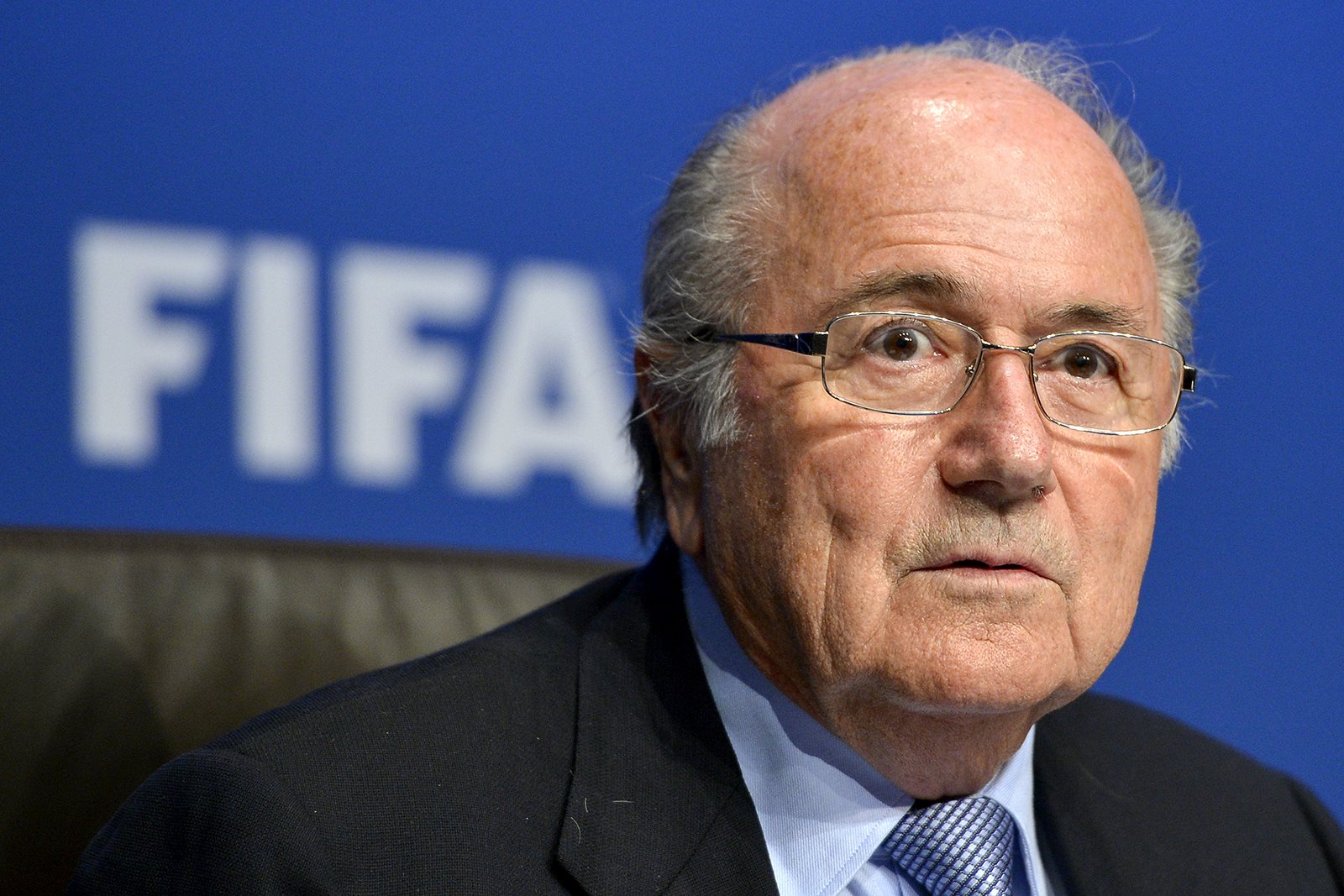
Sepp Blatter, the former president of FIFA, has remained a prominent figure in the world of football, especially after a career marred by allegations of corruption and mismanagement. His tenure, which lasted from 1998 to 2015, was pivotal in shaping modern football but is overshadowed by numerous scandals and controversies. Understanding Blatter’s impact on FIFA and the sport itself is crucial for assessing football’s future governance.
Blatter’s Rise to Power
Sepp Blatter began his journey in football administration in the 1970s when he joined FIFA. He quickly made a name for himself by promoting various initiatives, including the commercialisation of football which dramatically increased FIFA’s revenue streams. In 1998, he succeeded Joao Havelange as FIFA president amidst promises of reform and a more professional approach to football governance.
Controversies and Scandals
Despite initial optimism, Blatter’s presidency became synonymous with controversy. The high point of criticism came in 2015 when he was suspended amidst a broader FBI investigation into widespread corruption within FIFA. Key figures were indicted, and Blatter himself faced numerous allegations, including bribery and mismanagement of funds. In 2016, he was banned from football for six years, later reduced to four, effectively ending his career in football administration.
Impact on FIFA and Football
Blatter’s reign saw significant changes in FIFA’s structure and its financial operations. The organisation’s revenues ballooned, leading to increased investment in football development globally. However, his failure to address the rampant corruption allegations undermined the trust and credibility of FIFA, leading to calls for reform and accountability in sports governance.
Conclusion
Sepp Blatter’s legacy is a complex interplay of growth and scandal. His impact on football is evident in the financial prosperity of FIFA, but the ethical breaches during his tenure have left dark clouds over the sport’s governance. As football moves forward, the lessons from Blatter’s era remain pertinent. There is a growing demand for transparency and integrity in football administration to prevent a repeat of the failures seen during his presidency. Blatter’s story serves as a reminder of the importance of ethical leadership in sport.