Introduction
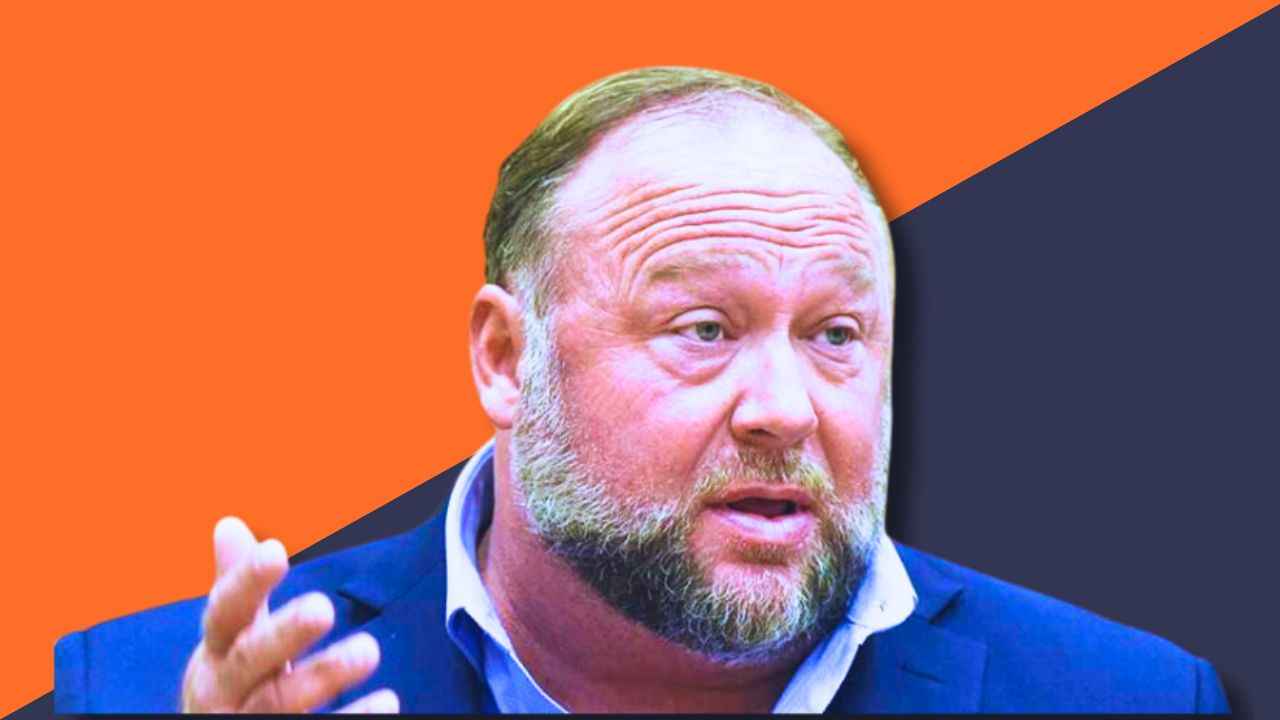
Alex Jones, the controversial right-wing media figure and conspiracy theorist, has recently made headlines due to his polarising opinions and legal troubles. His prominence in media discussions represents a critical examination of misinformation and its effects on public discourse. Understanding his impact provides insight into the ongoing debates surrounding free speech and the responsibilities of media personalities.
Background and Rise to Fame
Jones, who founded the website Infowars in 1999, has gained notoriety for spreading conspiracy theories ranging from the 9/11 attacks being an inside job to false claims surrounding the Sandy Hook Elementary School shooting. His provocative content has attracted a significant following, positioning him as a prominent figure within the alt-right movement and prompting discussions about the nature of truth in the digital age.
Recent Developments
In 2022, Jones faced significant legal repercussions when a jury ordered him to pay nearly $1 billion in damages to the families of Sandy Hook victims due to his defamatory claims. This ruling has raised questions about the extent to which individuals engaging in conspiracy theories can be held accountable for spreading falsehoods that harm others. Additionally, various social media platforms have banned Jones for violating community guidelines, further illustrating the tension between freedom of expression and public safety.
Impact on Media and Public Perception
The fallout from Alex Jones’ activities has led to a broader conversation about the role of social media in amplifying extremist viewpoints. His case illustrates how misinformation can alter public perception and policy discussions, particularly concerning issues such as gun control and mental health. Moreover, Jones’ ability to maintain a substantial following despite legal setbacks highlights the challenges mainstream media faces in combating false narratives.
Conclusion
Alex Jones remains a contentious figure in contemporary society, embodying the complexities of media influence, accountability, and the fine line between free speech and harmful misinformation. As new developments arise, it is crucial for the public to critically evaluate the information they consume and engage in informed discussions. Looking ahead, the ongoing legal consequences of Jones’ actions may serve as a precedent for addressing misinformation in the digital landscape, shaping the future of media responsibility.