Introduction
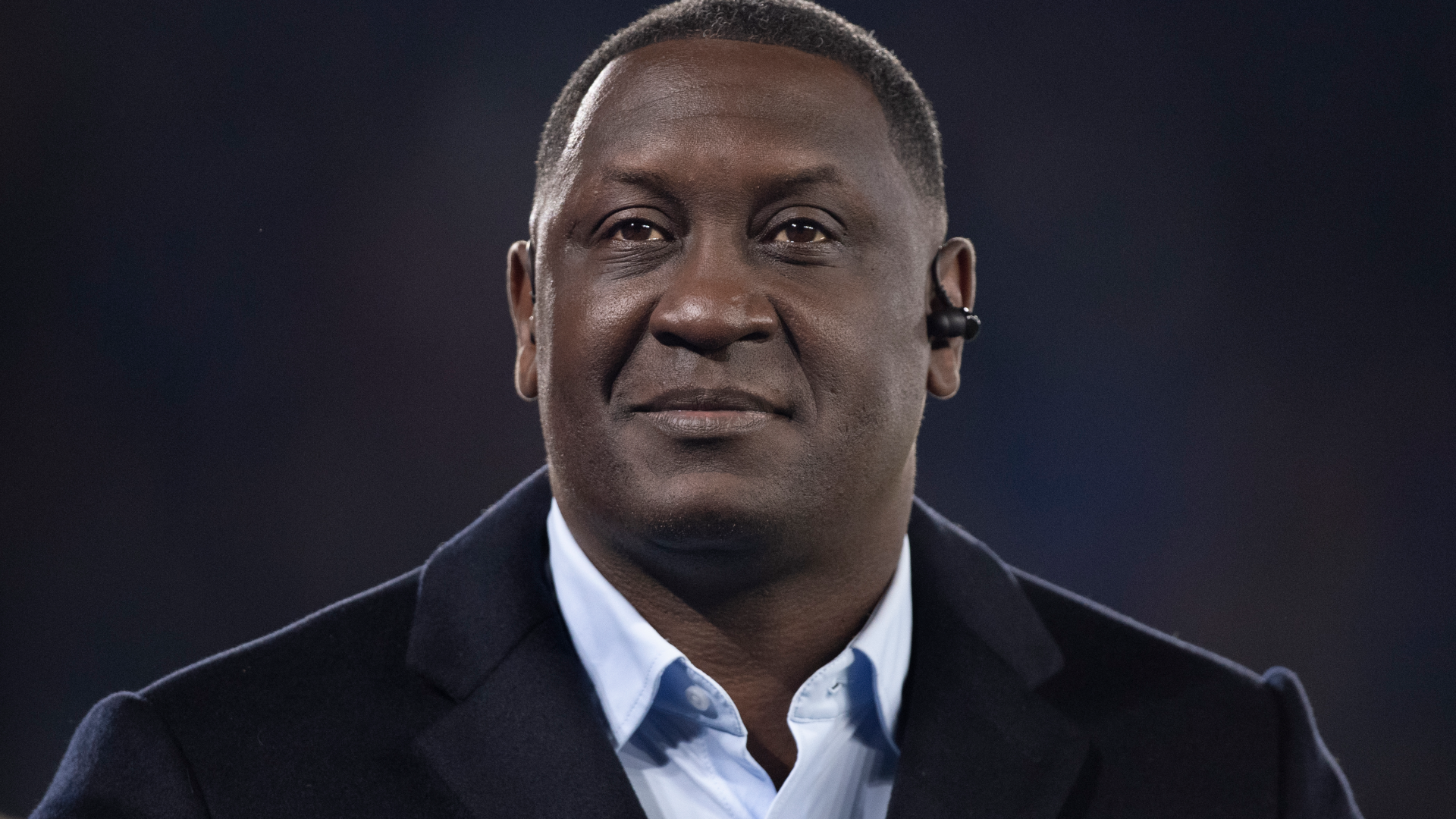
Emile Heskey is a name that resonates with football fans across the globe. Renowned for his robust physical presence and keen sense of positioning, Heskey played a significant role in the evolution of English football during his career, spanning over two decades. His importance goes beyond mere statistics; he has been part of crucial moments in British football history, including the 2002 World Cup. With the ongoing discussions about the influence of different players in the Premier League, reflecting on Heskey’s contributions offers a deeper understanding of the sport’s trajectory in England.
Early Career
Born on January 11, 1978, in Walsall, England, Emile Heskey began his career at Walsall FC, where he showcased his striking abilities at a young age. His talent caught the attention of larger clubs, leading to a move to Leicester City in 1995. Here, he further developed his playing style, combining strength with agility, and ultimately helped the team win the Football League Cup in 1997 and 2000. This success laid the foundation for his future moves to more prominent clubs.
Premier League Success
In 2000, Heskey signed with Liverpool for £11 million, making him one of the most expensive players in the Premier League at the time. During his tenure at Liverpool, he formed a formidable partnership with Michael Owen, contributing to the team’s domestic and European successes, including winning the UEFA Cup in 2001. Heskey’s ability to create space and facilitate plays was pivotal in Liverpool’s attacking dynamics.
International Career
Heskey was capped 62 times by the England national team, scoring seven goals. He played a crucial role in the England squad that reached the quarter-finals of the 2002 FIFA World Cup. His ability to play under pressure and in critical matches earned him respect from players and coaches alike, though he was often critiqued for not scoring as frequently as expected. Despite these critiques, his role in the national team was valued for his unselfish style of play, which allowed his teammates to shine.
Later Career and Retirement
After leaving Liverpool in 2004, Heskey continued to perform at several clubs, including Birmingham City, Wigan Athletic, Aston Villa, and Newcastle Jets in Australia. His career was marked by adaptability, enduring both injuries and the shifts in football styles over the years. Heskey officially retired from professional football in 2016, leaving behind a legacy of resilience and dedication.
Conclusion
Emile Heskey’s journey in football is a testament to hard work, adaptability, and the vital role of teamwork in achieving success in sports. While some may consider his goal tally with the national team modest, his contributions extended well beyond numbers, influencing how future generations of strikers approached the game. As discussions on footballing techniques and strategies continue, Heskey remains a celebrated figure, reminding us that the effectiveness of a player is often measured by their influence on the pitch, not just their scoring records.