What is causing the recent rise in temperatures across Mumbai and its neighboring regions?
Recent reports indicate that temperatures in Mumbai and surrounding areas have reached alarming levels for March, with Mumbai recording a temperature of 40°C. This early onset of heat raises questions about the implications for public health and climate patterns in the region.
In Solapur, the maximum temperature soared to 40.3°C, marking a significant increase of 3.4°C compared to the previous day. Other nearby locations have also reported high temperatures, with Kolhapur reaching 37.1°C, Sangli at 38.2°C, and Satara at 37.3°C. Mahabaleshwar, known for its cooler climate, recorded a maximum temperature of 30.7°C, which is notably high for this time of year.
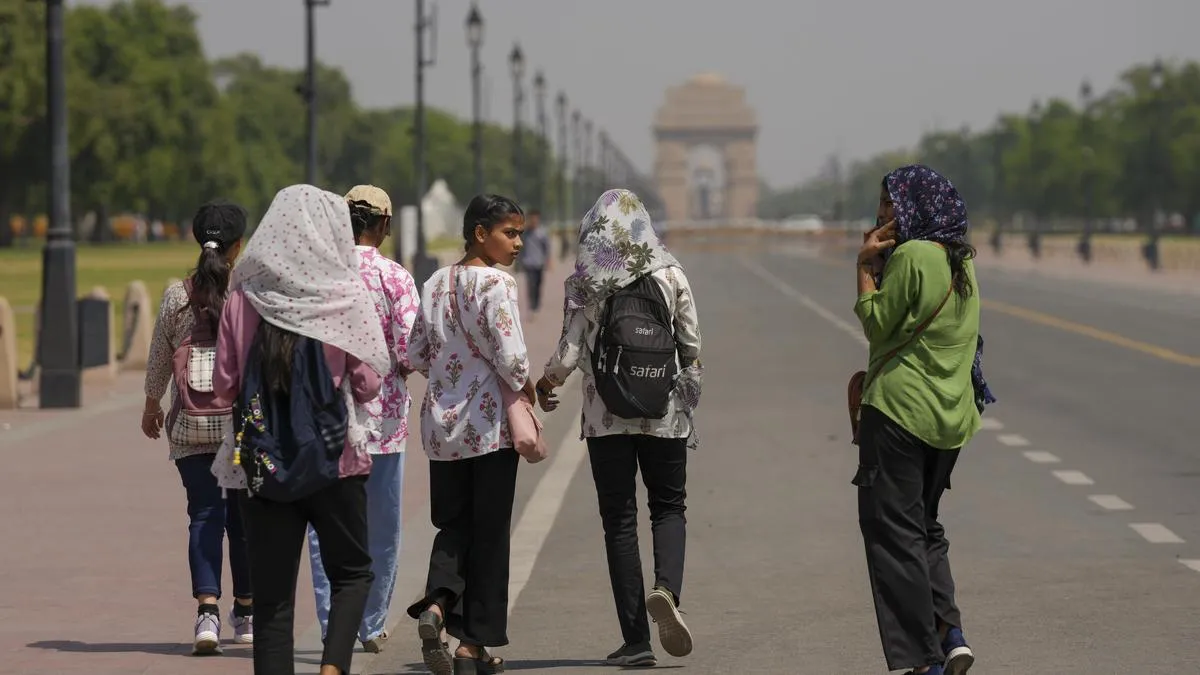
The rise in temperatures is earlier than usual for March, a month typically associated with milder weather. Mukesh Raut, a local resident, commented, “It feels like a heatwave in the daytime in just the second week of March.” This sentiment reflects a growing concern among residents as they experience the effects of rising temperatures.
Health professionals are also sounding the alarm. Dr. Aditya Bari noted, “Normally we start seeing heat-related patients after mid-April or towards the end of April and May. But this time we are seeing them in the first half of March itself, which is definitely earlier than usual.” This shift in the timeline for heat-related health issues suggests a potential public health crisis if temperatures continue to rise.
The increase in temperatures is not just a matter of discomfort; it is contributing to a surge in viral infections and heat-related ailments. As the mercury climbs, health officials are bracing for an uptick in cases that could strain local healthcare resources.
As the situation unfolds, it remains to be seen how these rising temperatures will impact the broader climate patterns in the region. The early heatwave may serve as a precursor to more extreme weather conditions in the coming months, raising further questions about the long-term effects of climate change on local ecosystems and public health.
Details remain unconfirmed regarding the specific causes of this unusual temperature spike, but the implications for residents and health services are clear. As the region grapples with these challenges, continued monitoring and public awareness will be essential in addressing the health risks associated with rising temperatures.